|
|||||||||||||||||||||||||||||||||||||||||
|
|||||||||||||||||||||||||||||||||||||||||
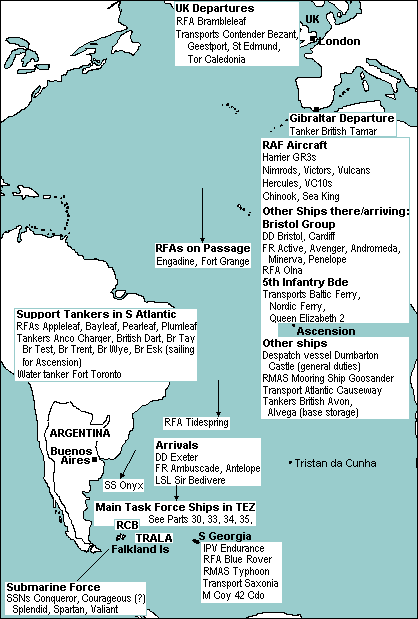
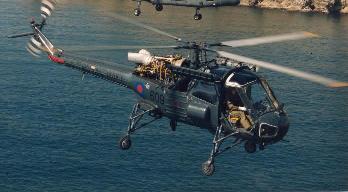
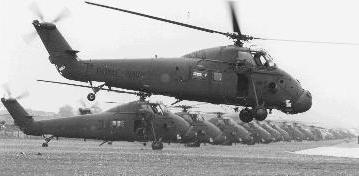
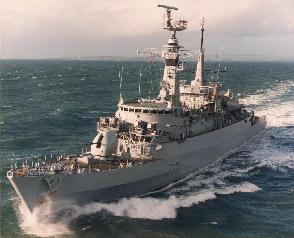
Task Force Departures from Monday 17th May - From mid week, the last four merchantmen to reach the South Atlantic before the end of hostilities sailed from the UK. These included three RO-RO's - from Devonport, ferry "St. Edmund" in the transport role, and container ship "Contender Bezant" as an aircraft and helicopter carrier with RAF and Navy helicopters as well as her own Wasps for supply duties and self-defence, and from Southampton, cargo ship "Tor Caledonia" with vehicles and Rapier missiles. The fourth to leave was refrigerated stores ship "Geestport" from Portsmouth loaded mainly with food. The first two ships to return also headed south - "British Tamar" from Gibraltar earlier in the week and RFA support tanker "Brambleleaf" from Portland at the end. Ascension - The main reinforcements reached the island although they just passed by or barely stopped for last minute stores. Over Tuesday 18th and Wednesday 19th it was the "Bristol" Group, including "Active" (below); next day the 5th Inf Bde transports "Baltic Ferry" and "Nordic Ferry". That same day, "Queen Elizabeth 2" carrying the complete Brigade approached Ascension taking on board Major General Moore and his staff by helicopter after they had flown down from the UK, and by Saturday they were continuing south. Helicopter support ship "Atlantic Causeway" met "QE2" at this time, and around now RMAS mooring ship "Goosander" was assumed to arrive to lay out and maintain moorings. The RAF also made another record-breaking flight. On Thursday, on the eve of D-day, the same Nimrod MR.2 as before but now crewed by 206 Sqdn, flew almost the length of Argentina looking for any sign that the Argentine Navy threatened the amphibious ships. South Atlantic - Only now on Tuesday 18th, as the Amphibious Task Group was joining the carriers to the north east of the Falklands, were the San Carlos plans presented to the full British Cabinet. Admiral Woodward was then given the go ahead by the war cabinet and final preparations put in hand for the landing which took place early on Friday morning. By the end of the week, 3 Cdo Bde was safely ashore and digging in, two type 21 frigates lost and other ships damaged, and the Argentine air forces were suffering heavily at the hands of the British defences.By then more ships had arrived from the north. The sixth and last LSL, "Sir Bedivere" reached the TEZ before moving on to San Carlos, and by Saturday morning (22nd) destroyer "Exeter" and frigate "Ambuscade" had joined the CVBG. The latter's sister ship "Antelope" also got in from escorting "Tidespring" to Ascension, but soon moved on to San Carlos to share the fate of "Ardent". Another arrival was despatch vessel "Leeds Castle" although her duties shortly took her to South Georgia.Other groups of ships also played their part although not involved directly in the fighting. In the Red Cross Box area "Uganda" and "Hecla" were joined in their work by ambulance ship "Hydra", and the TRALA opened for repair business when "Stena Seaspread" arrived from South Georgia. By mid-June this impressive vessel had carried out damage and other repairs in mid-ocean to nearly 40 ships including 11 warships and four captured. Then in South Georgia, and for later delivery to "Stena Seaspread", "Endurance" working parties took on the job of recovering scrap steel from the disused whaling stations for ship repairs, and on Sunday, cargo ship "Saxonia" got in ready to transfer food and other supplies to the RFA's over the next three weeks. |
|||||||||||||||||||||||||||||||||||||||||
|
|||||||||||||||||||||||||||||||||||||||||
|
|||||||||||||||||||||||||||||||||||||||||
|
on
to 30. Sea King-to-Chile incident
|
|||||||||||||||||||||||||||||||||||||||||