| SHIPS |
| |
|
|
| Royal
Navy |
| |
|
|
 |
|
 |
| 46.
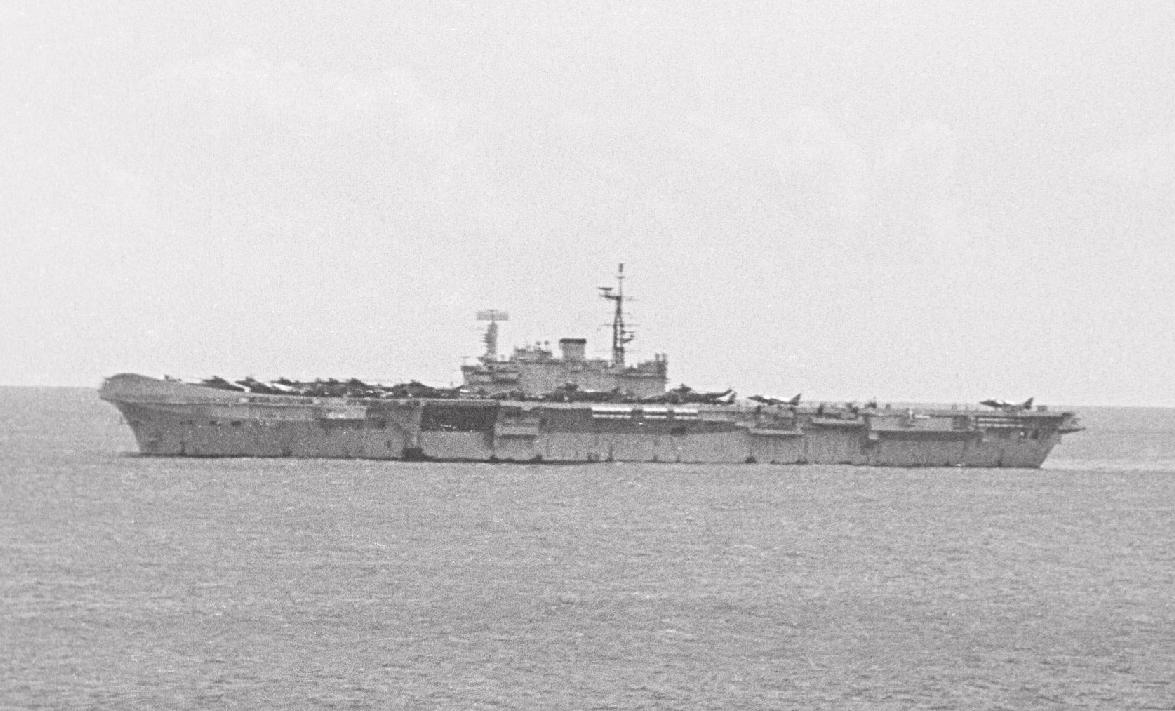
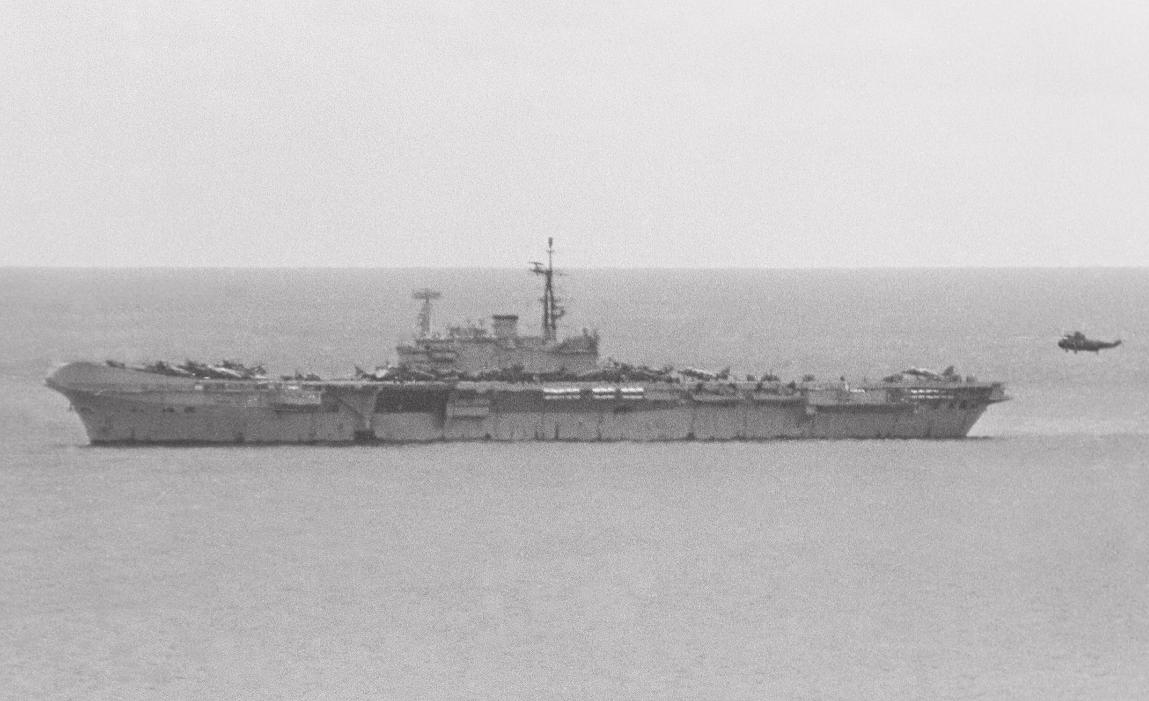
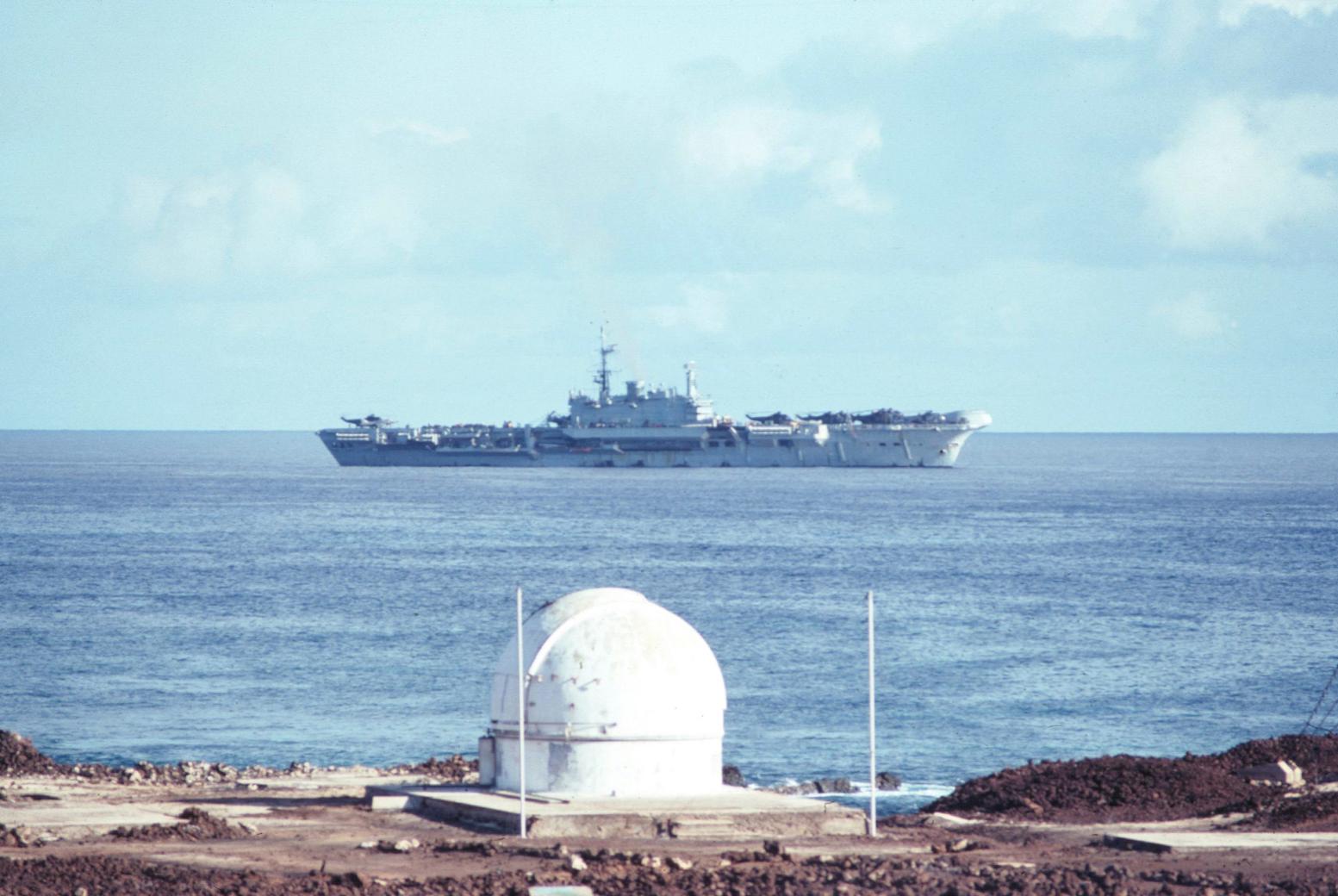
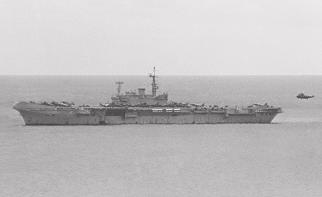
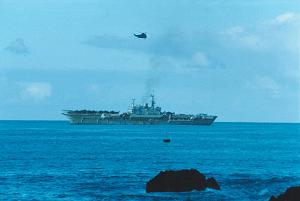
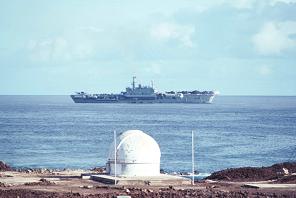
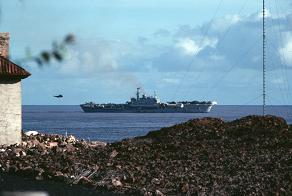
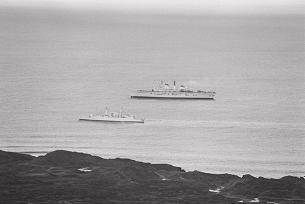
HMS Hermes (also
following) arriving with escort and an LSL |
|
47. |
| |
|
|
 |
|
 |
| 48. |
|
49. |
| |
|
|
 |
|
 |
| 50. |
|
51. |
| |
|
|
 |
|
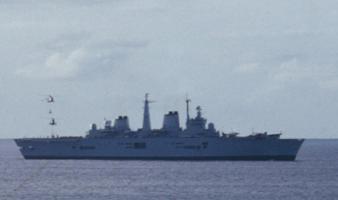 |
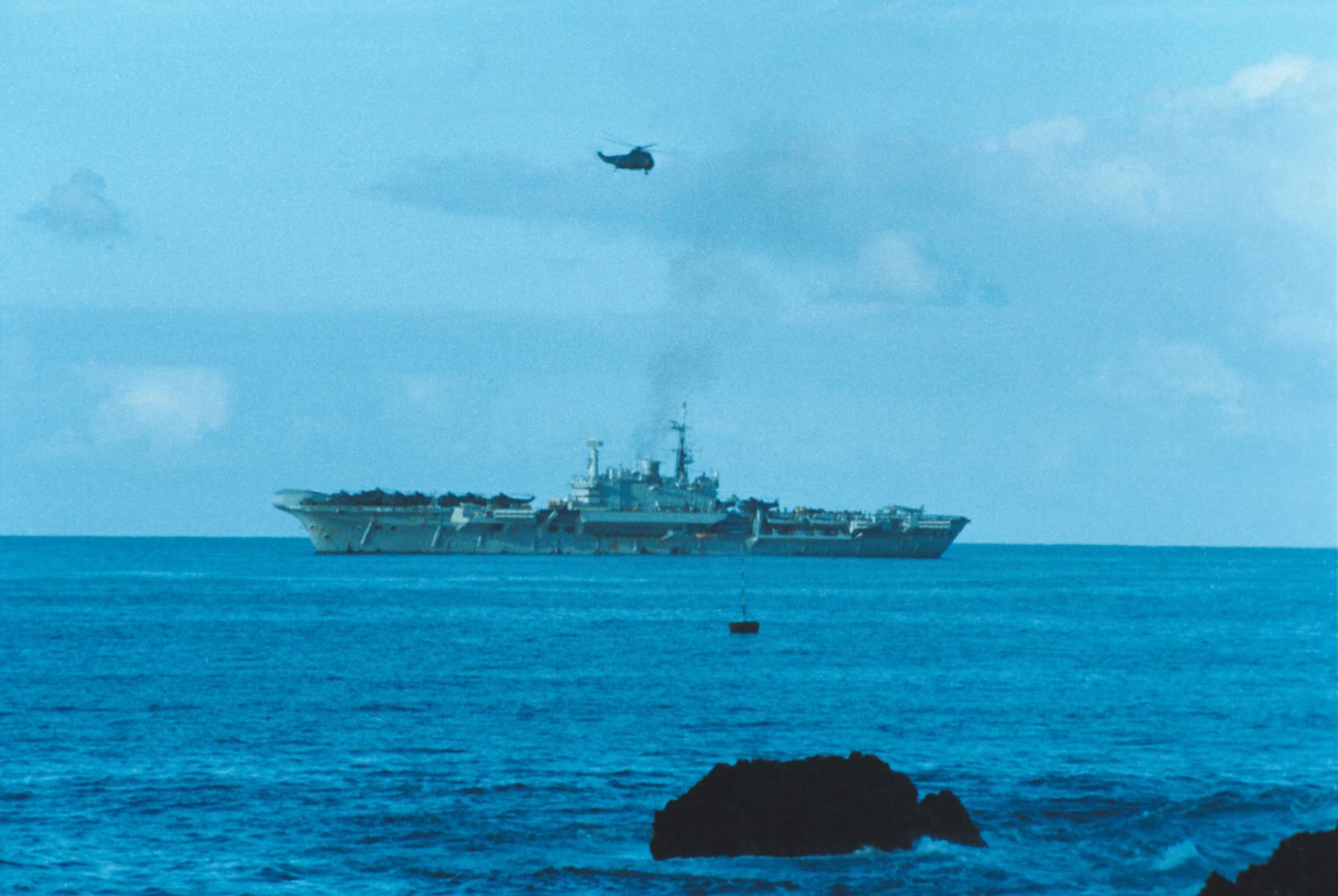
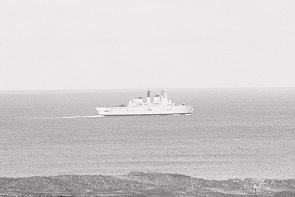
| 52.
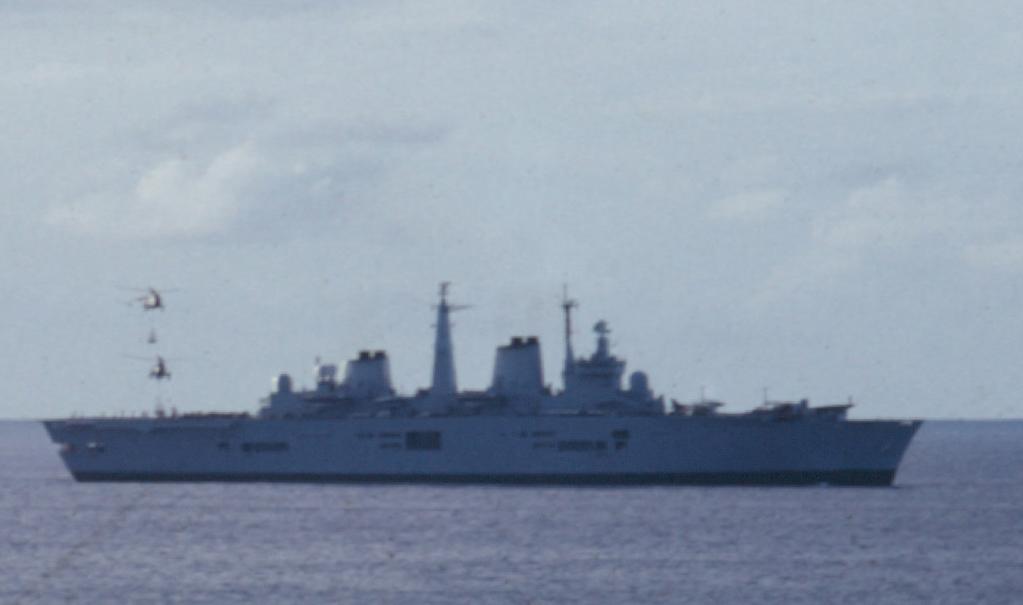
HMS Invincible (also following) and her escort |
|
53. |
| |
|
|
 |
|
 |
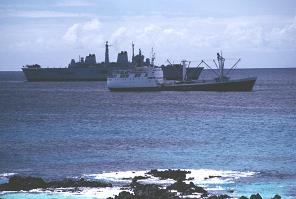
| 54.
.... with RMS St Helena |
|
55. |
| |
|
|
 |
|
 |
| 56.
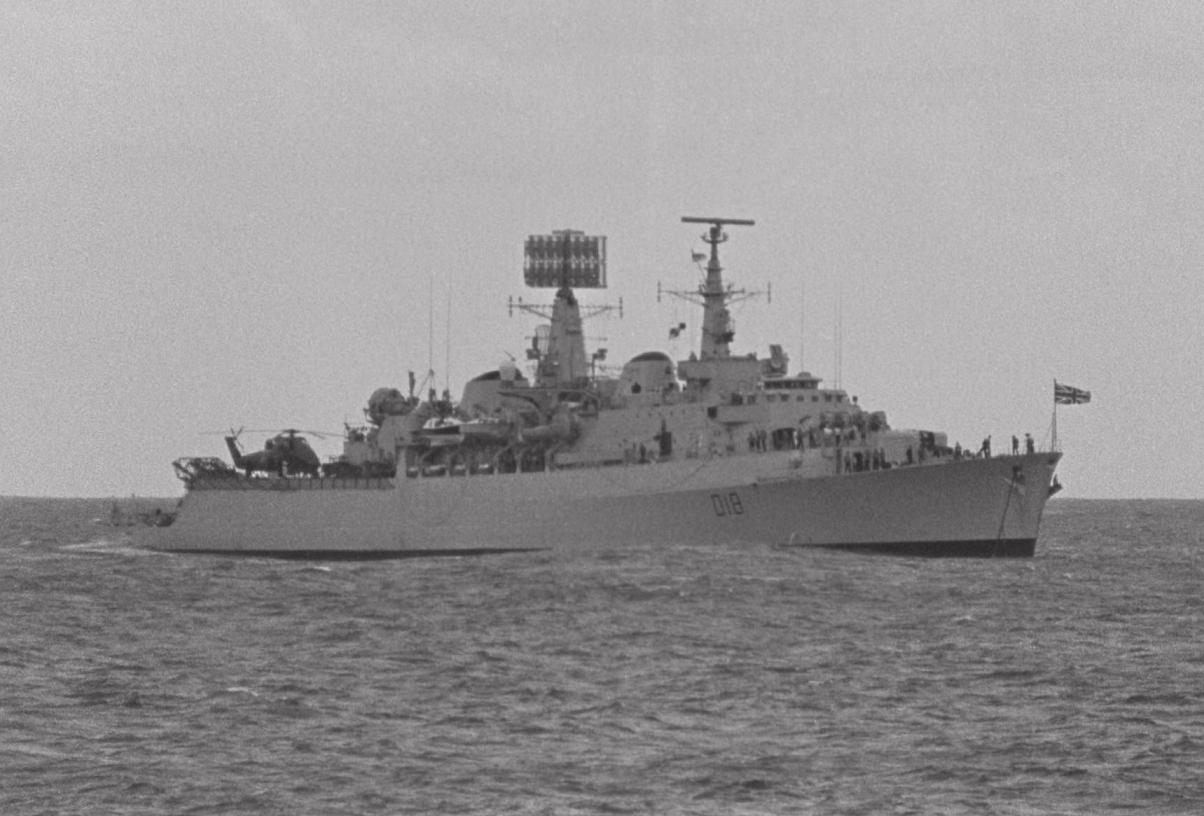
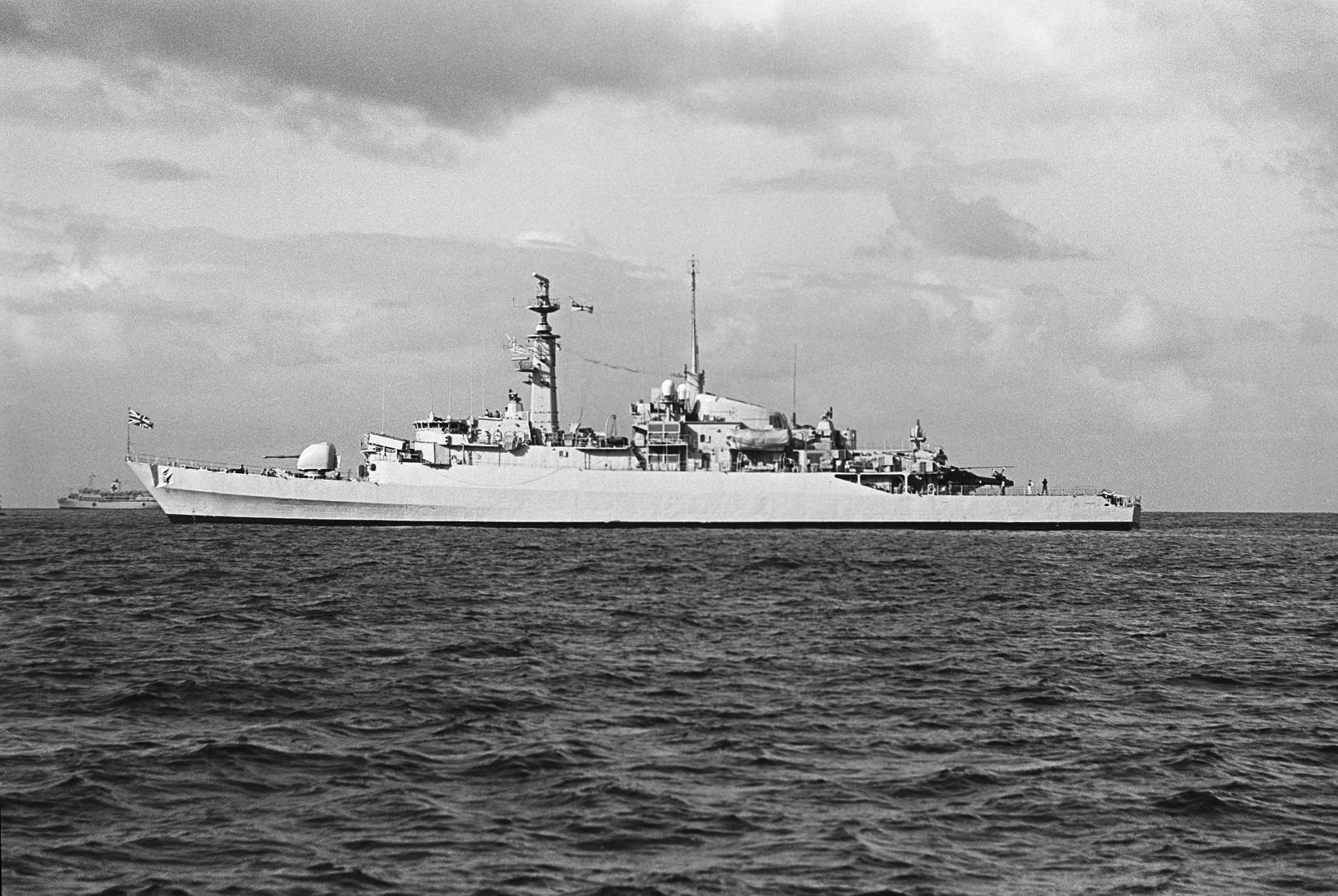
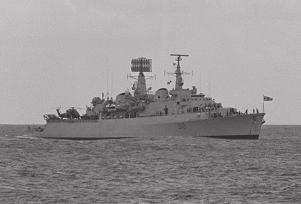
County-class destroyer HMS
Antrim |
|
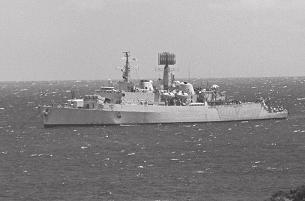
57.
"Probably" HMS Antrim. Note seamen on stages
over the side painting out the ship's
pennant number.
|
From
Ian Inskip, Navigating Officer of HMS
Glamorgan in 1982 - "the difference
between the two (County-class) was that
Glamorgan had a gap between her boats on
the port side and Antrim did not. I am
95% sure it is Antrim (above right) and
not Glamorgan. I reckon both boats
are next to each other, without a
gap. Also the anchorage position
does not look familiar."
From
Chris Parry, Wessex 3 aircrew at the
time, retired as Rear Admiral in 2008 -
"You
are dead right with your designation of
the photograph of HMS ANTRIM at
Ascension Island. The 'sailors'
painting out the ship's pennant number
are Sub Lieutenant Declan Ward and
Lieutenant Chris Parry - who decided to
do their bit for ship's company morale!"
|
| |
|
|
 |
|
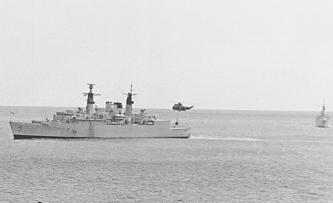 |
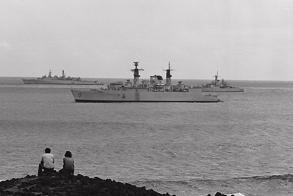
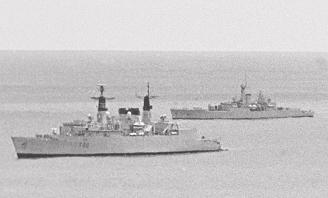
58.
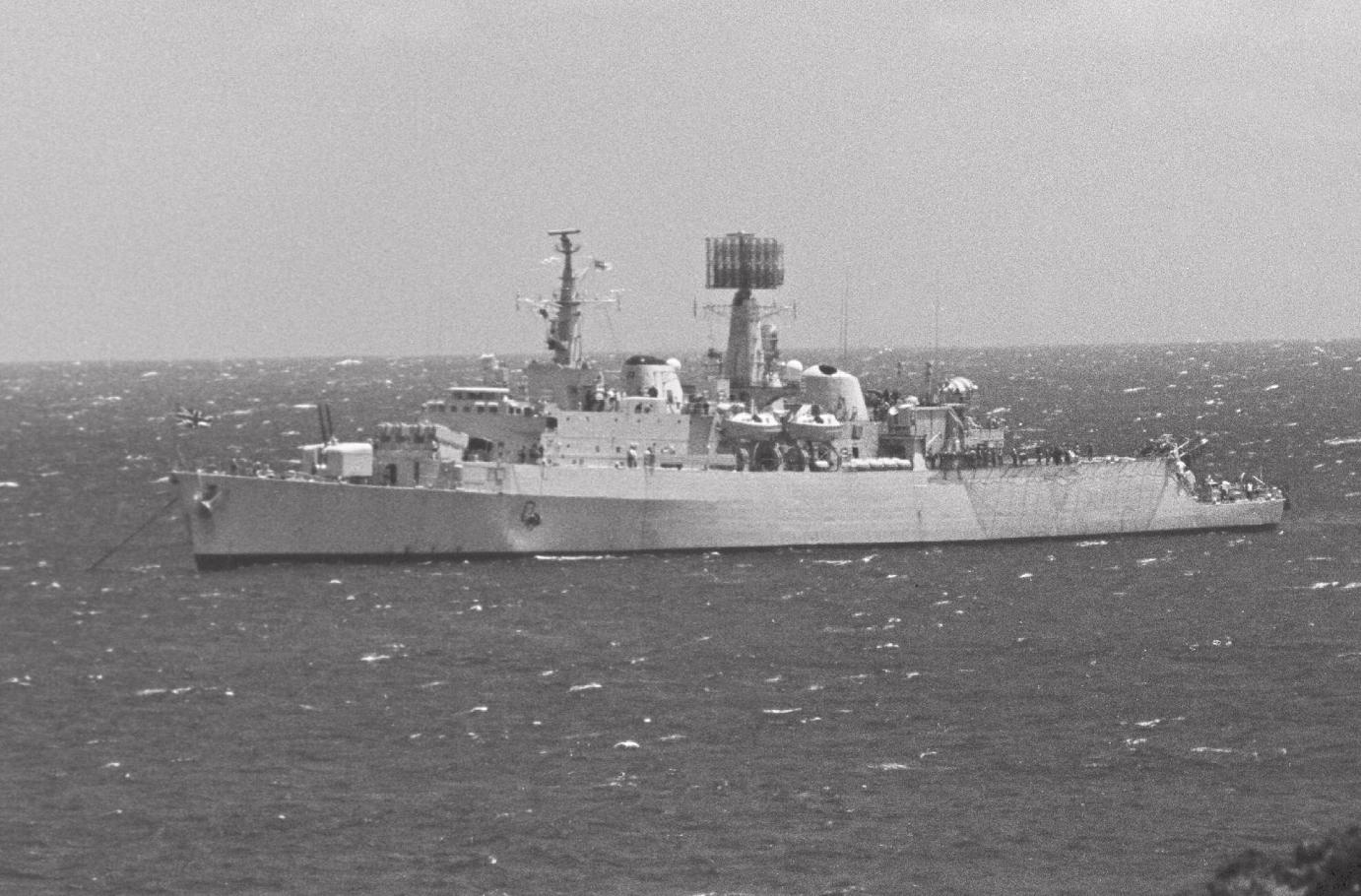
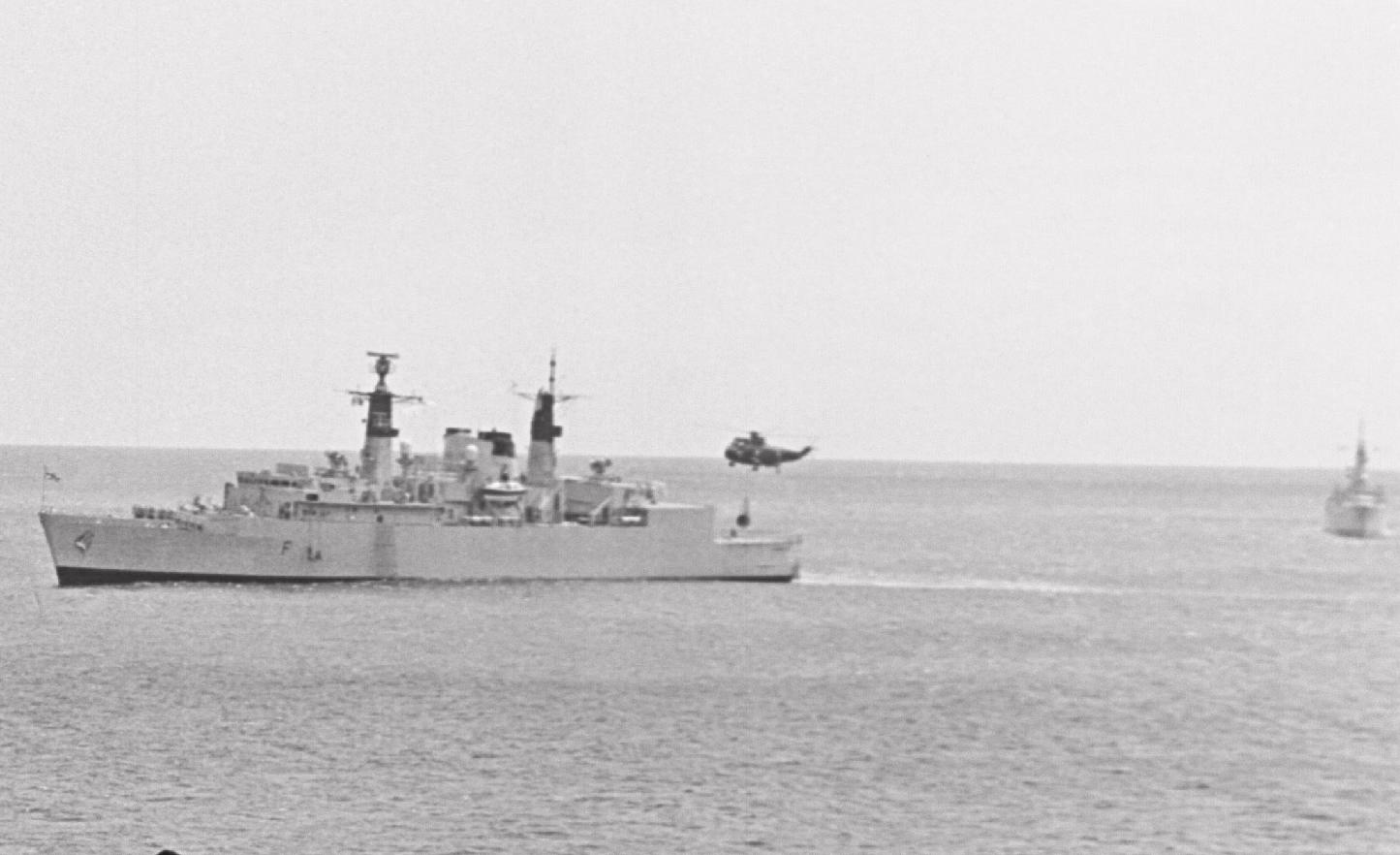
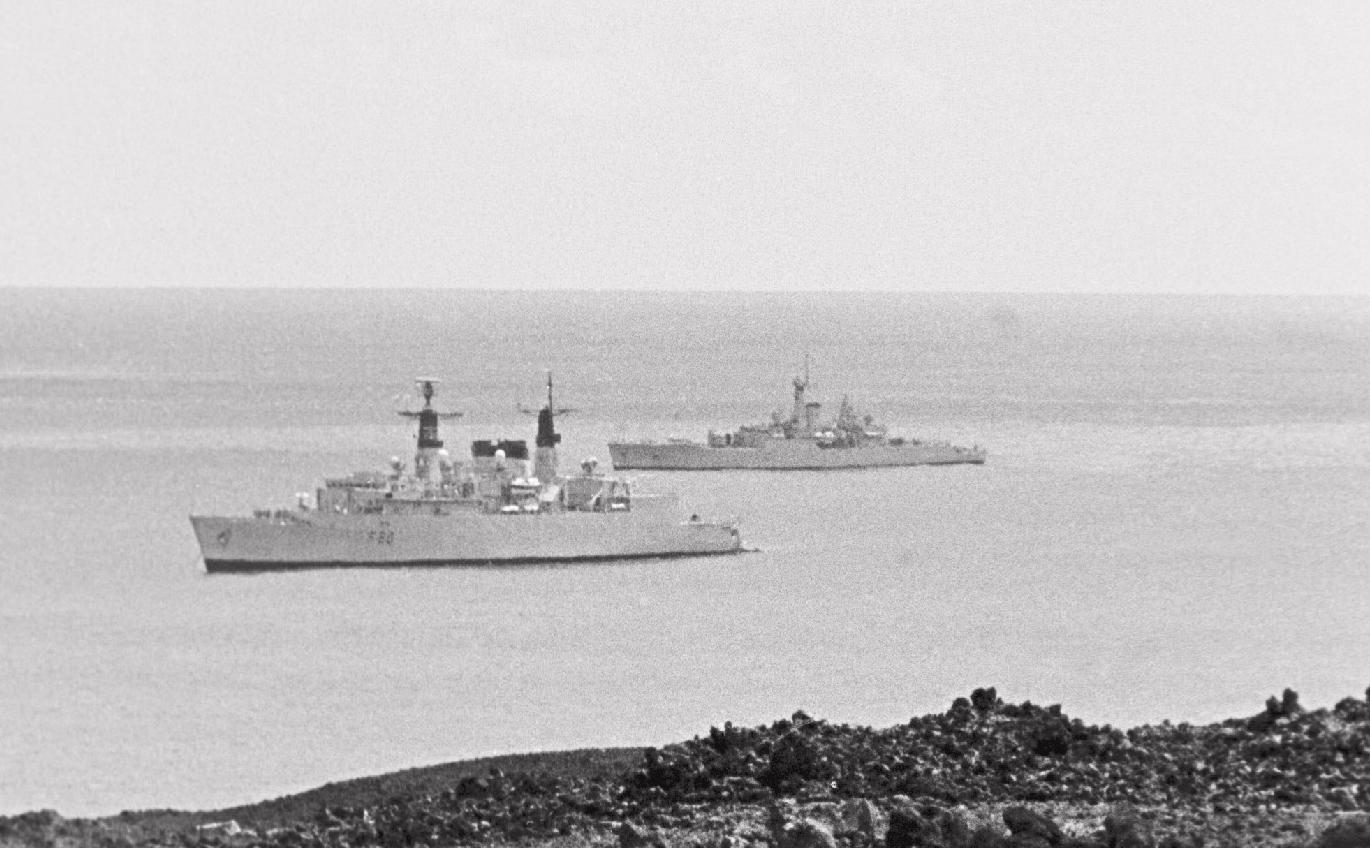
Carrier Battle Group escorts including
County-class destroyer, probably HMS
Glamorgan, Type 22 frigate HMS Broadsword
and Rothesay-class frigate HMS Yarmouth
|
|
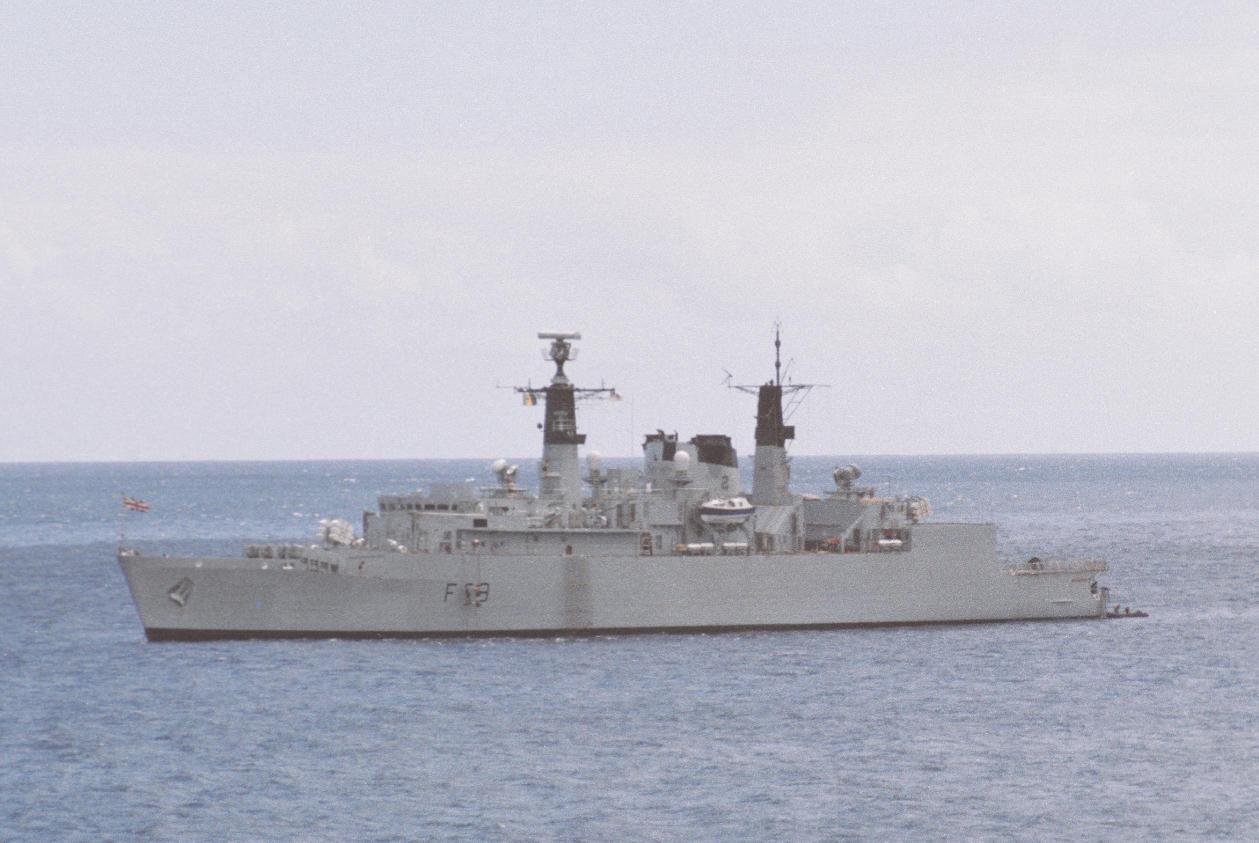
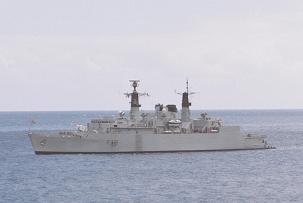
59.
HMS Broadsword and more "cross-decking" |
| |
|
|
 |
|
 |
| 60.
Broadsword and Yarmouth again |
|
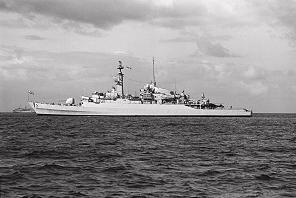
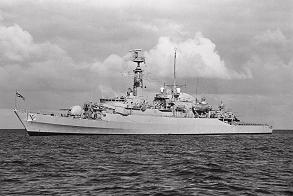
61.
Broadsword's pennant numbers being painted
out at side and stern
|
| |
|
|
 |
|
 |
62.
|
|
63.
|
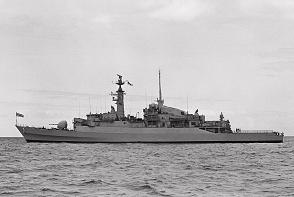
| Type
21 frigate - possibly Alacrity, Arrow, Ardent
or Antelope at this stage
"Antelope arrived
with the LSL's and left, I think, on the
30th April with them and RFA Pearleaf" (thanks
to Frank Purcell)
|
| |
|
|
 |
|
 |
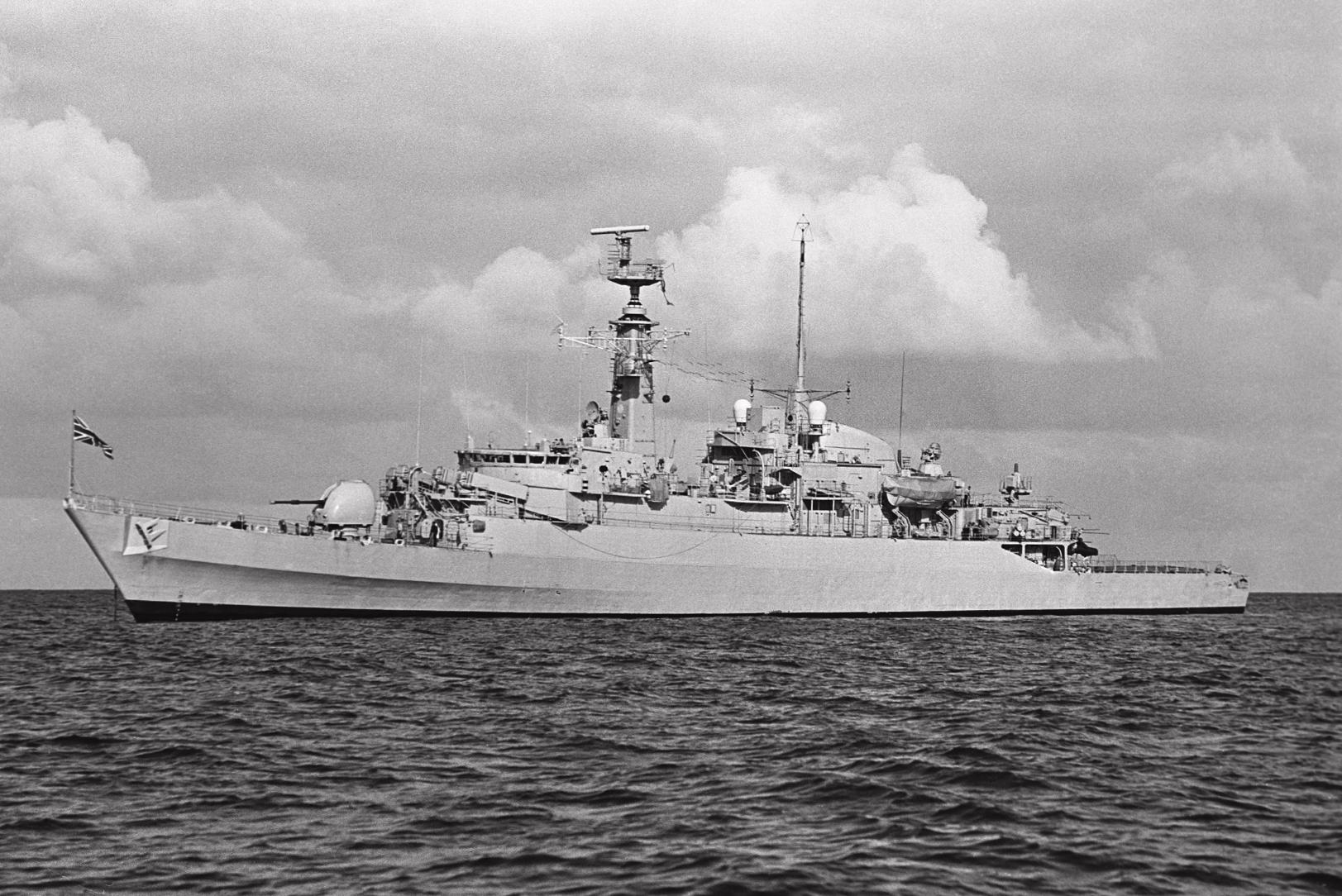
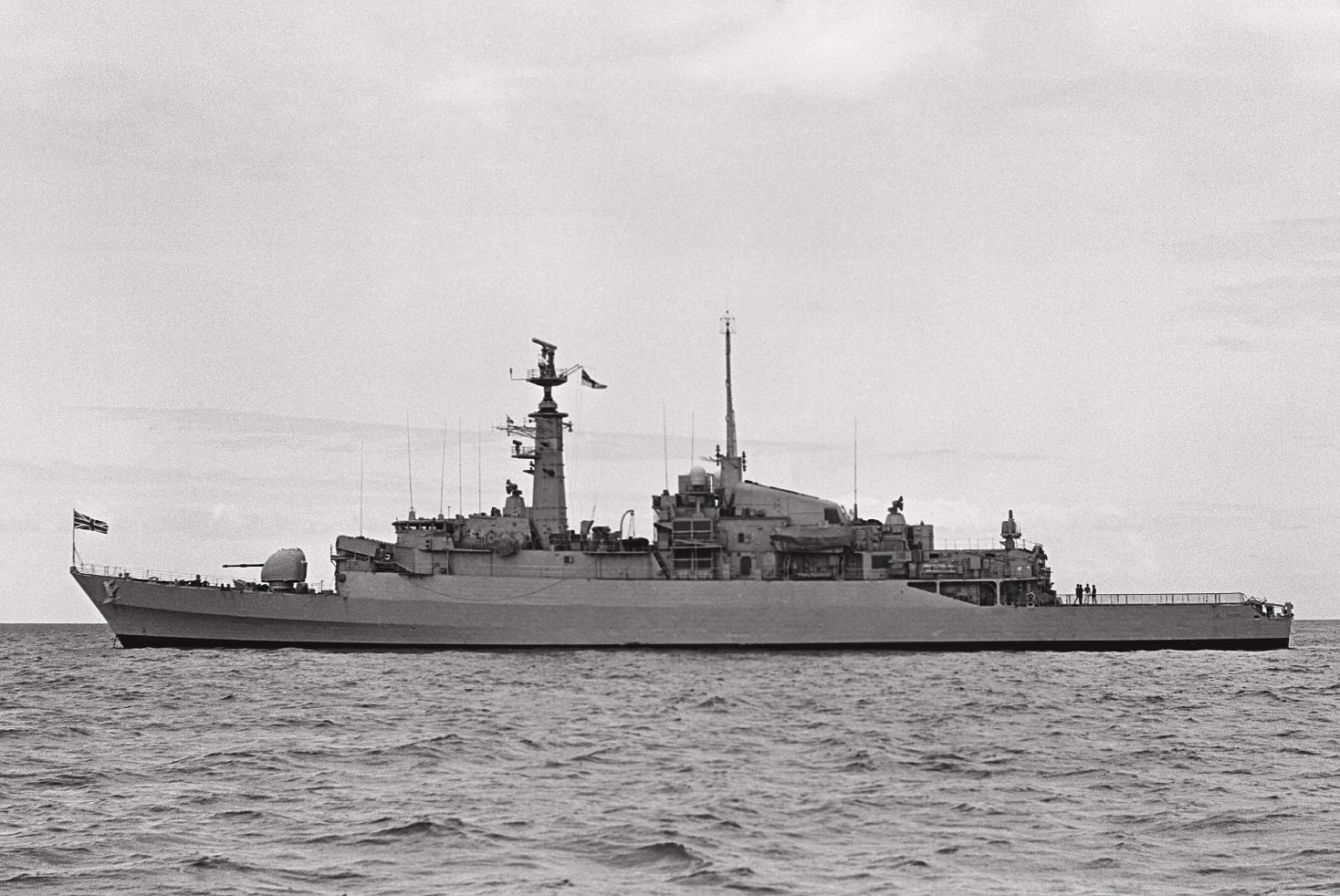
| 64.
Type 21 - possibly HMS
Ardent, lost 21st May |
|
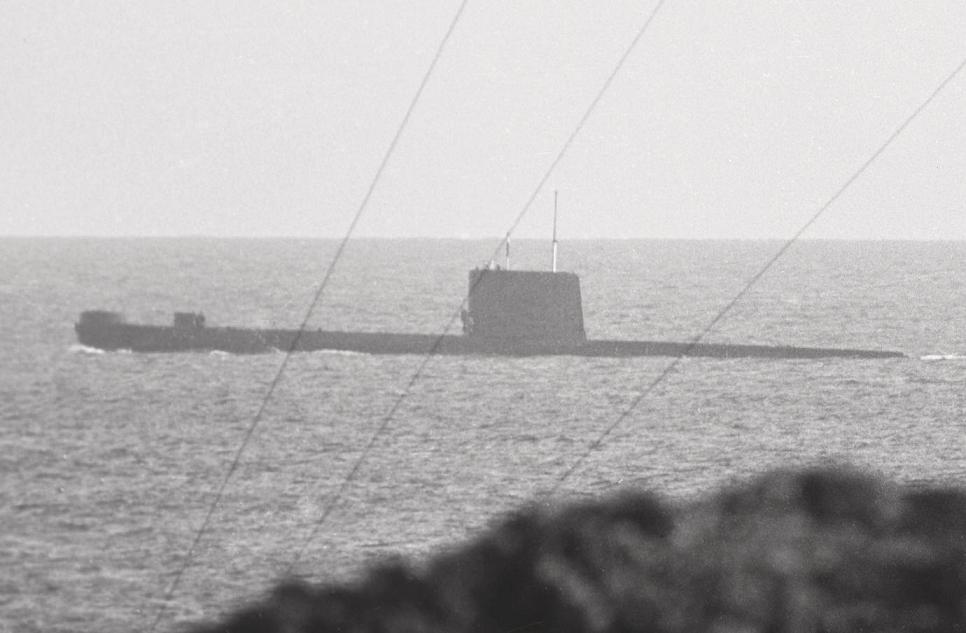
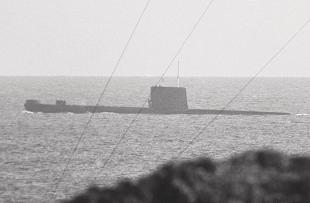
65.
Presumably HMS
Onyx, the only diesel-engined
submarine believed to have served with the
British Task Force
|
| |
|
|
 |
|
 |
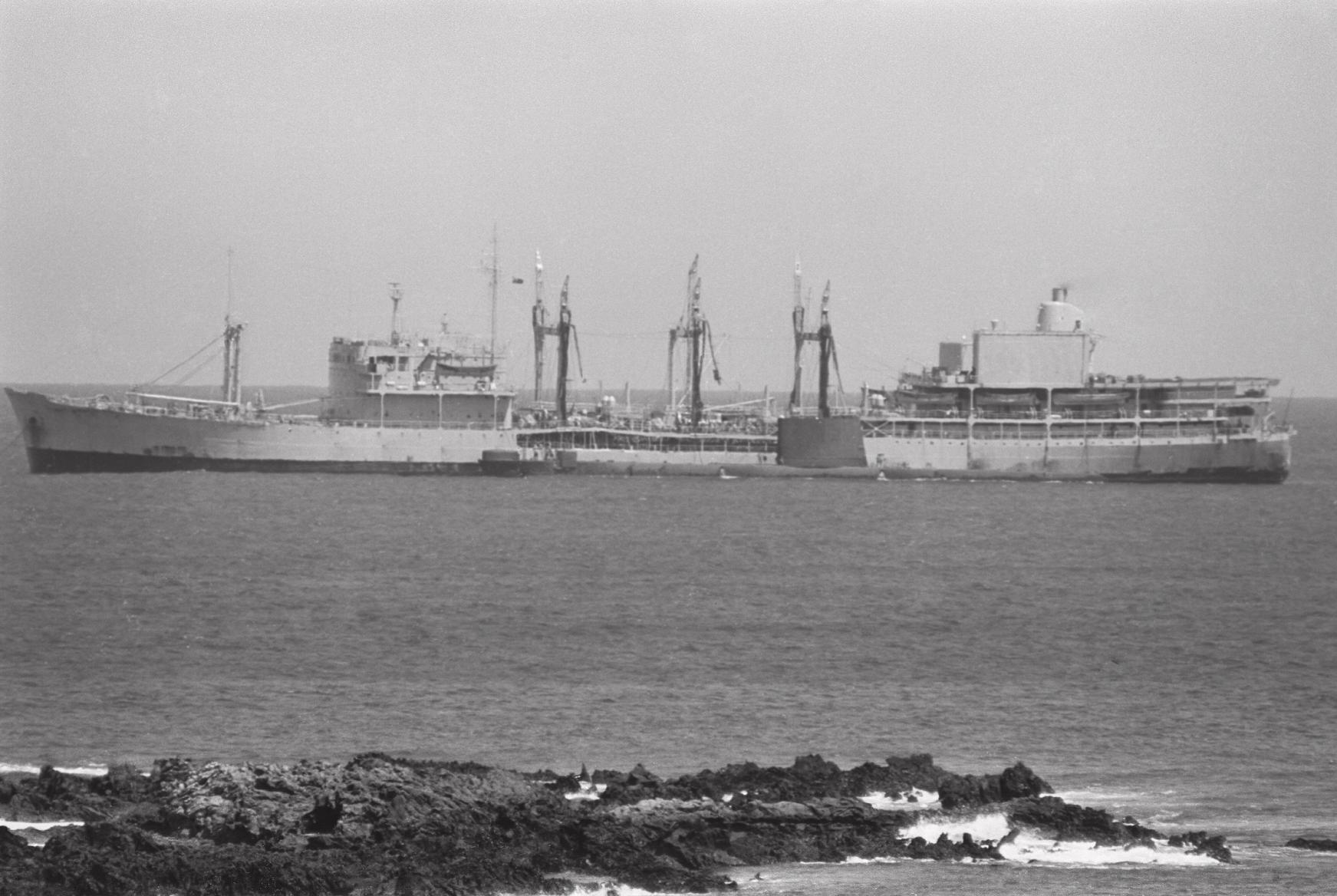
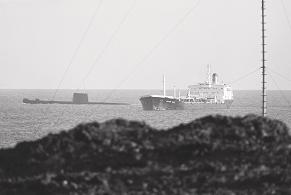
| 66.
HMS Onyx with tanker British Avon |
|
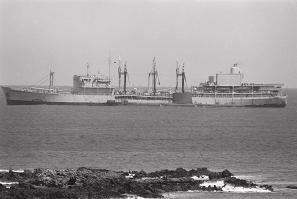
67. HMS
Onyx alongside RFA Tidespring, possibly when
she had returned to Ascension with the
Argentine prisoners from South Georgia (courtesy,
Peter Robinson, Editor, RFA Historical
Society, who was on her at the time)
|
| |
|
|
 |
|
 |
| 68.
|
|
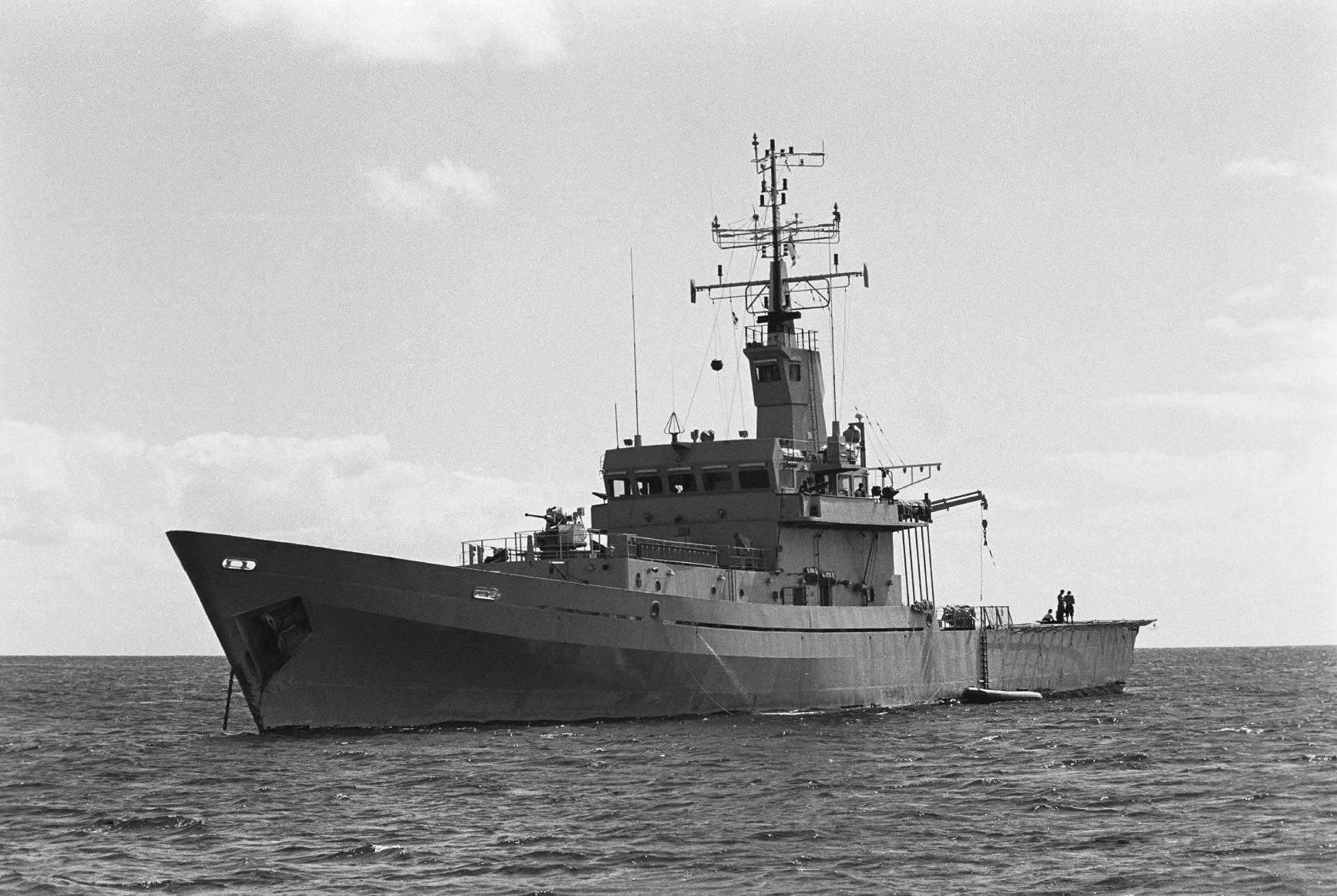
69. |
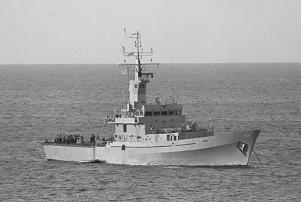
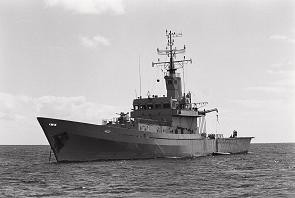
| Fishery
protection vessels HMS
Leeds Castle or Dumbarton Castle,
serving as despatch vessels |
| |
|
|
 |
|
 |
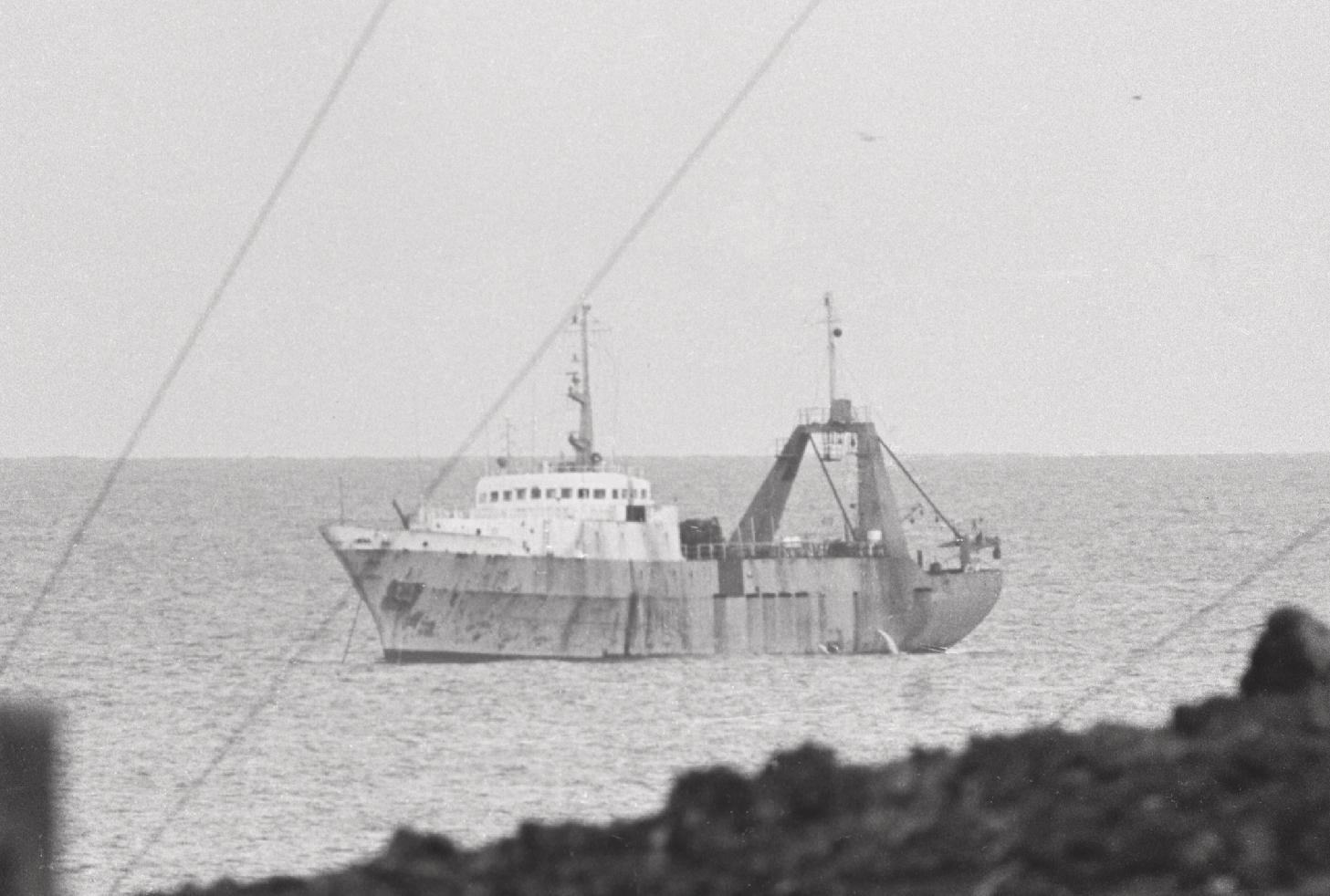
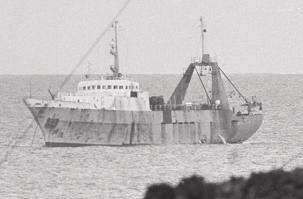
70. One
of the trawlers requisitioned as
minesweepers - Cordella,
Farnella, Junella, Northella or Pict
|
|
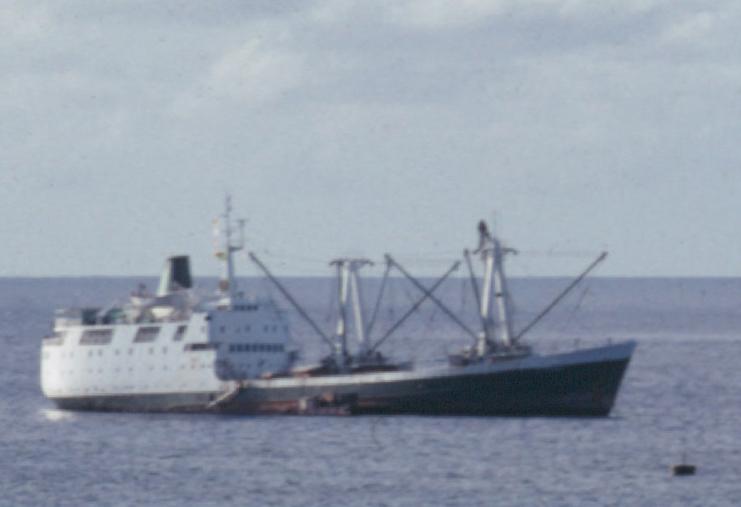
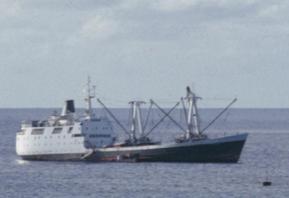
71.
Royal Mail and local supply ship RMS St
Helena, later a minesweeper support ship
|
| |
|
|
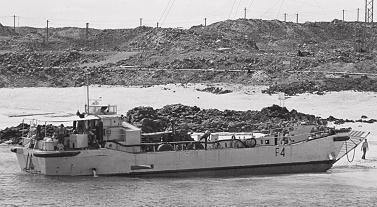 |
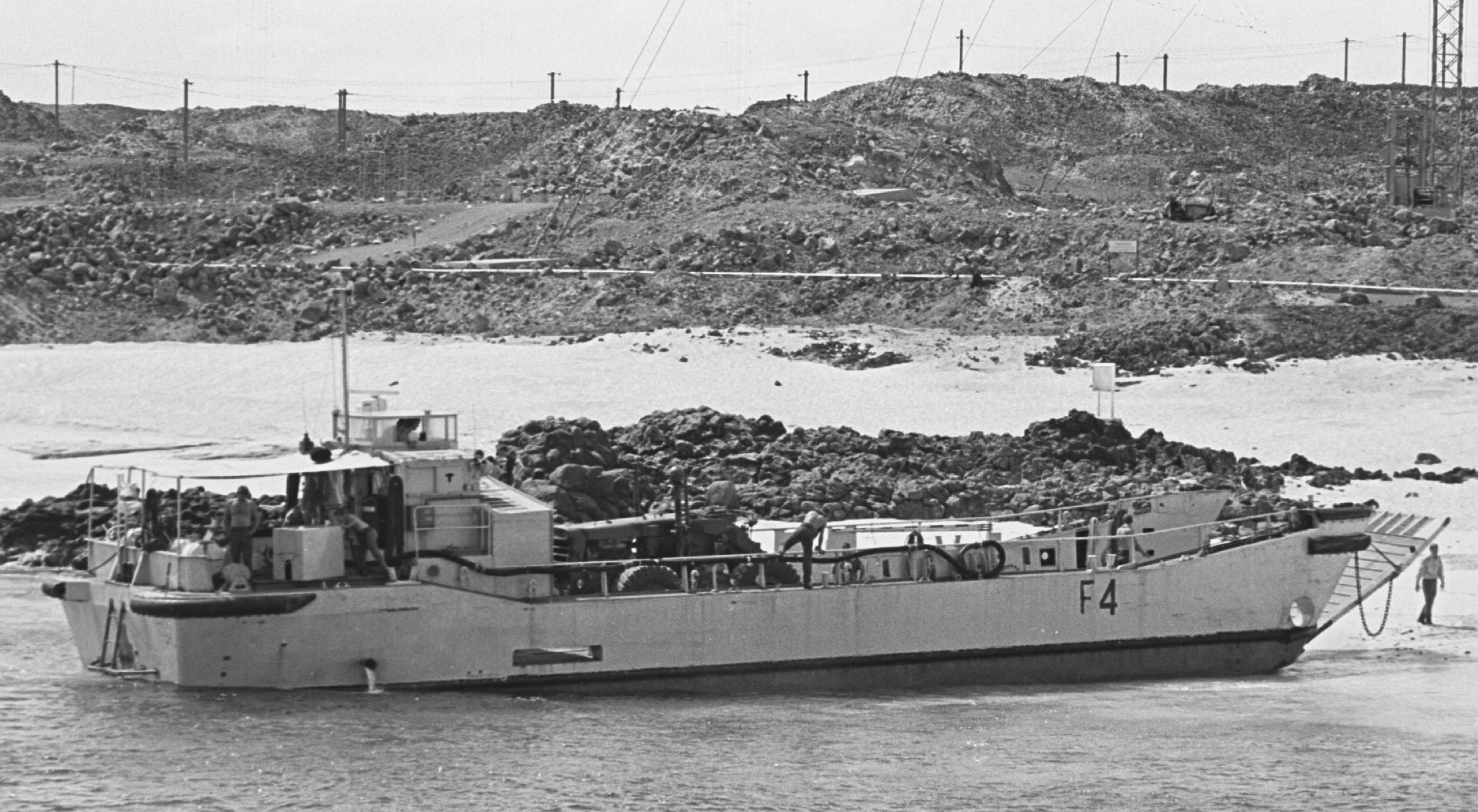
72. LCU
F4 belonging to HMS
Fearless (left - no enlargement). On
the 8th June in the Falklands, she was bombed
and sunk with the loss of six of the
crew
|
| |
|
|
| |
|
|
| Groups
of Ships
LSL - Landing
Ship Logistics, comprising Sir Bedivere, Sir
Galahad, Sir Geraint, Sir Lancelot, Sir
Percivale and Sir Tristram
|
| |
|
|
 |
|
 |
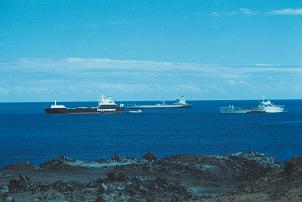
| 73.
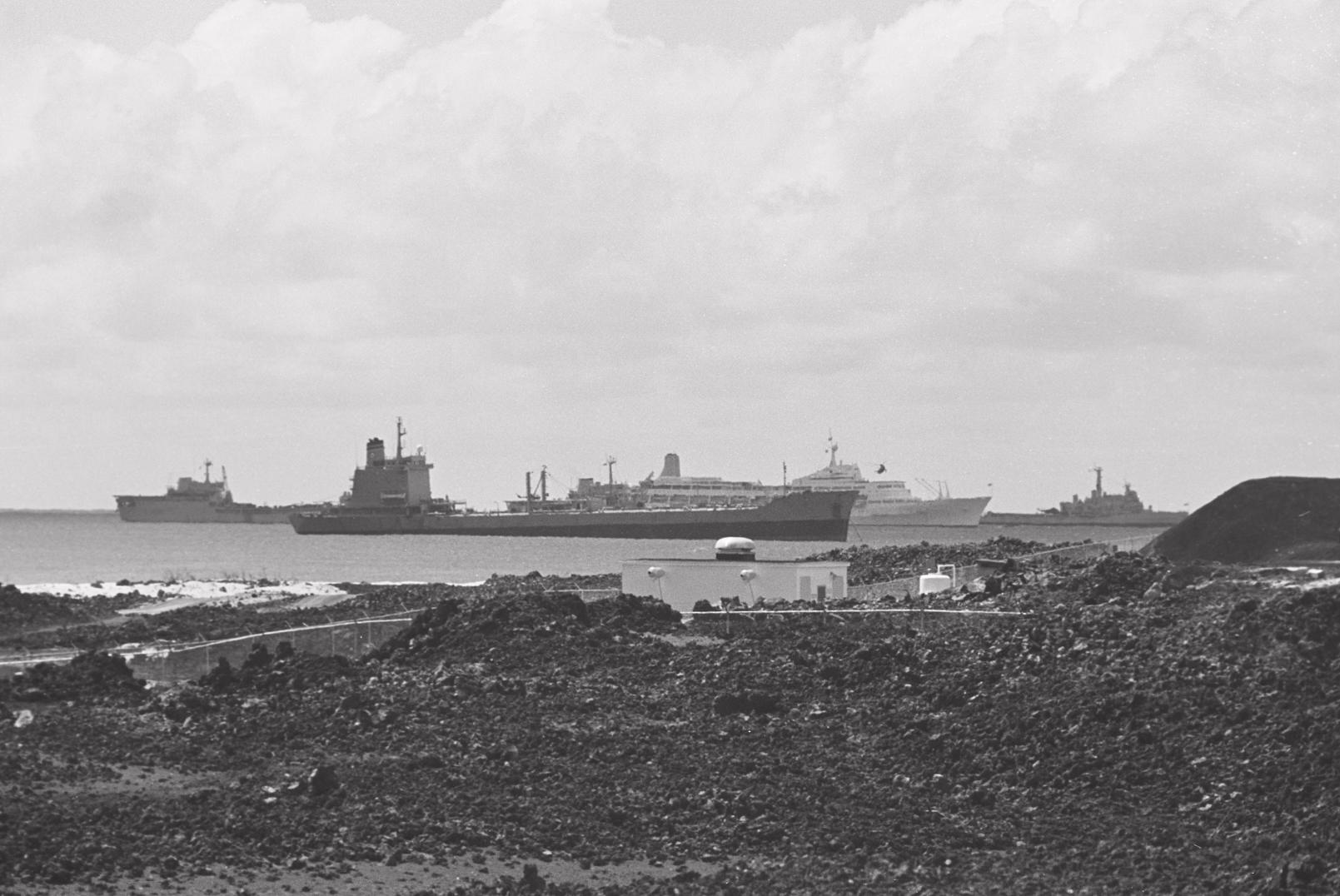
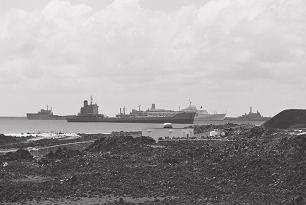
LSL, tanker Balder London (but see 94b),
LSL and troop transport Canberra beyond,
assault ship Fearless (?) |
|
74.
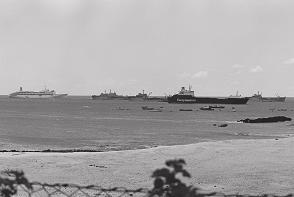
Canberra, two LSL's, Hermes beyond, transport
Elk, LSL |
| |
|
|
 |
|
 |
| 75.
Elk, Balder London (but see 94b), LSL
Sir Galahad |
|
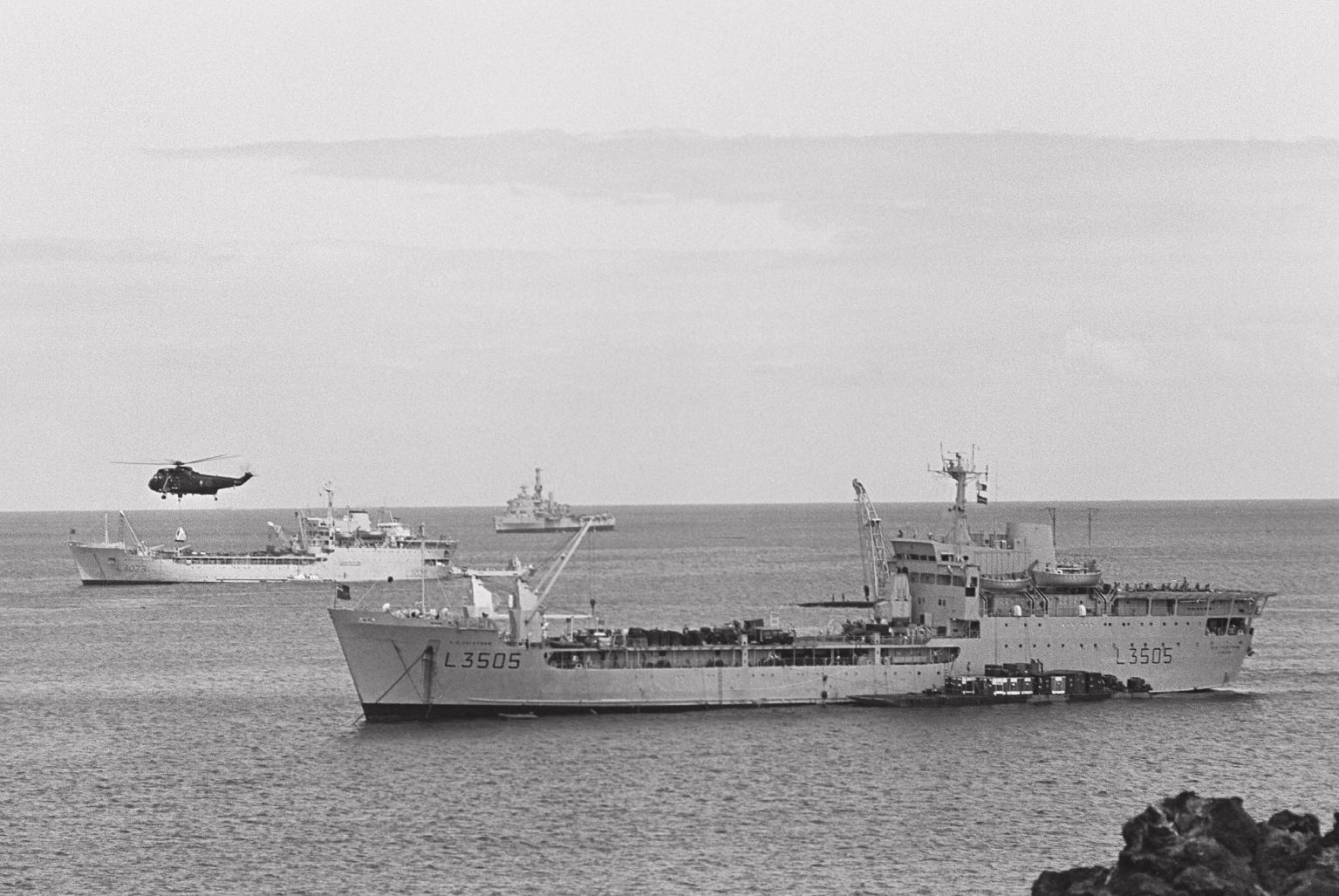
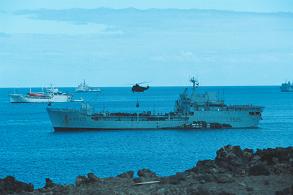
76.
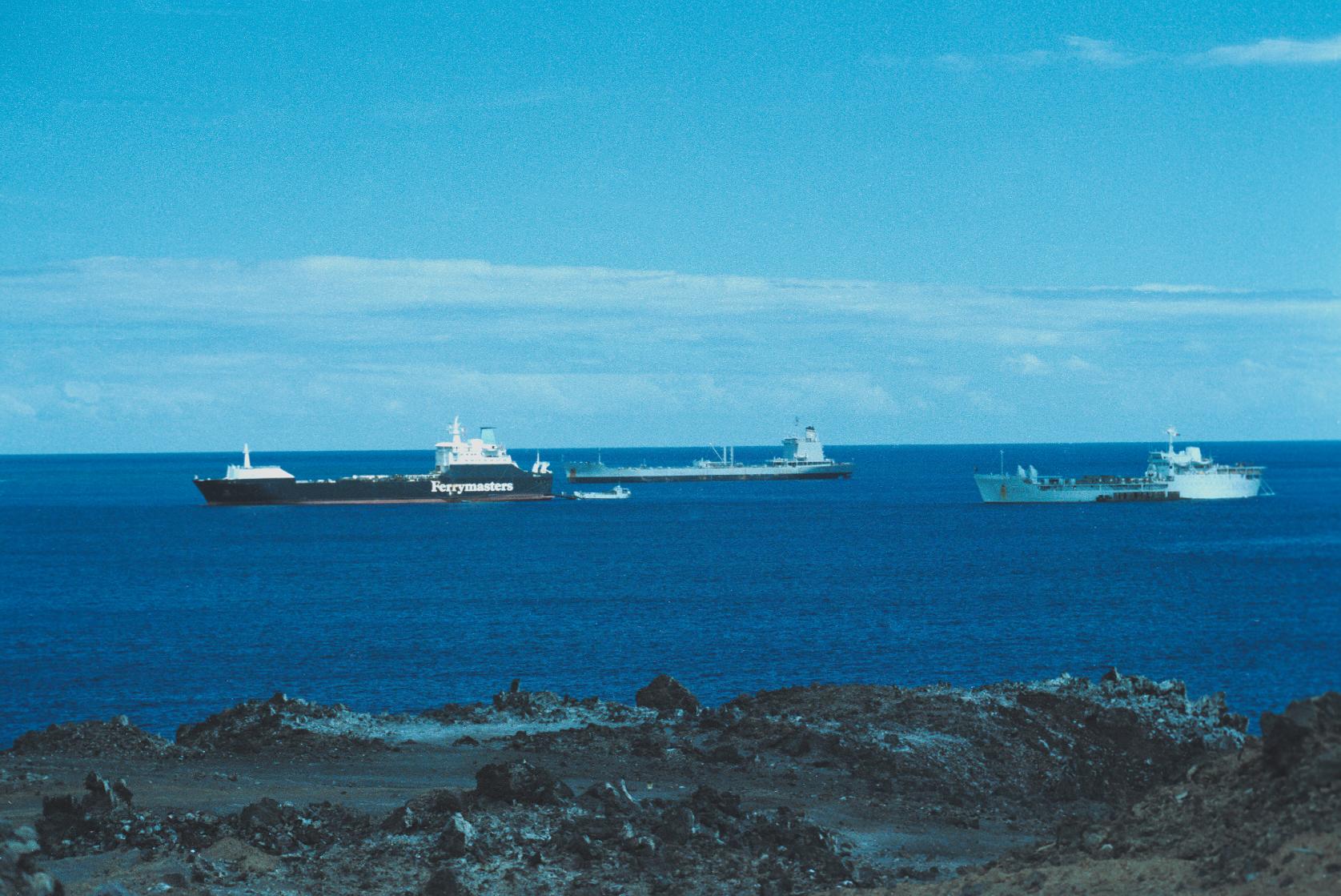
LSL Sir Tristram with mexeflote and helicopter
(foreground), beyond Sir Lancelot, freighter
A.E.S., assault ship Fearless (?), fleet
replenishment ship Fort Austin (?) |
| |
|
|
| |
|
|
| Royal
Fleet Auxiliary |
| |
|
|
 |
|
 |
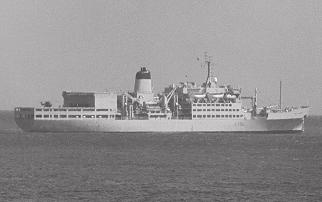
| 77.
Fleet replenishment ship - probably Fort
Austin |
|
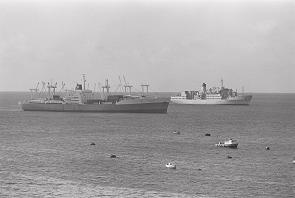
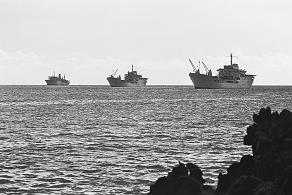
78.
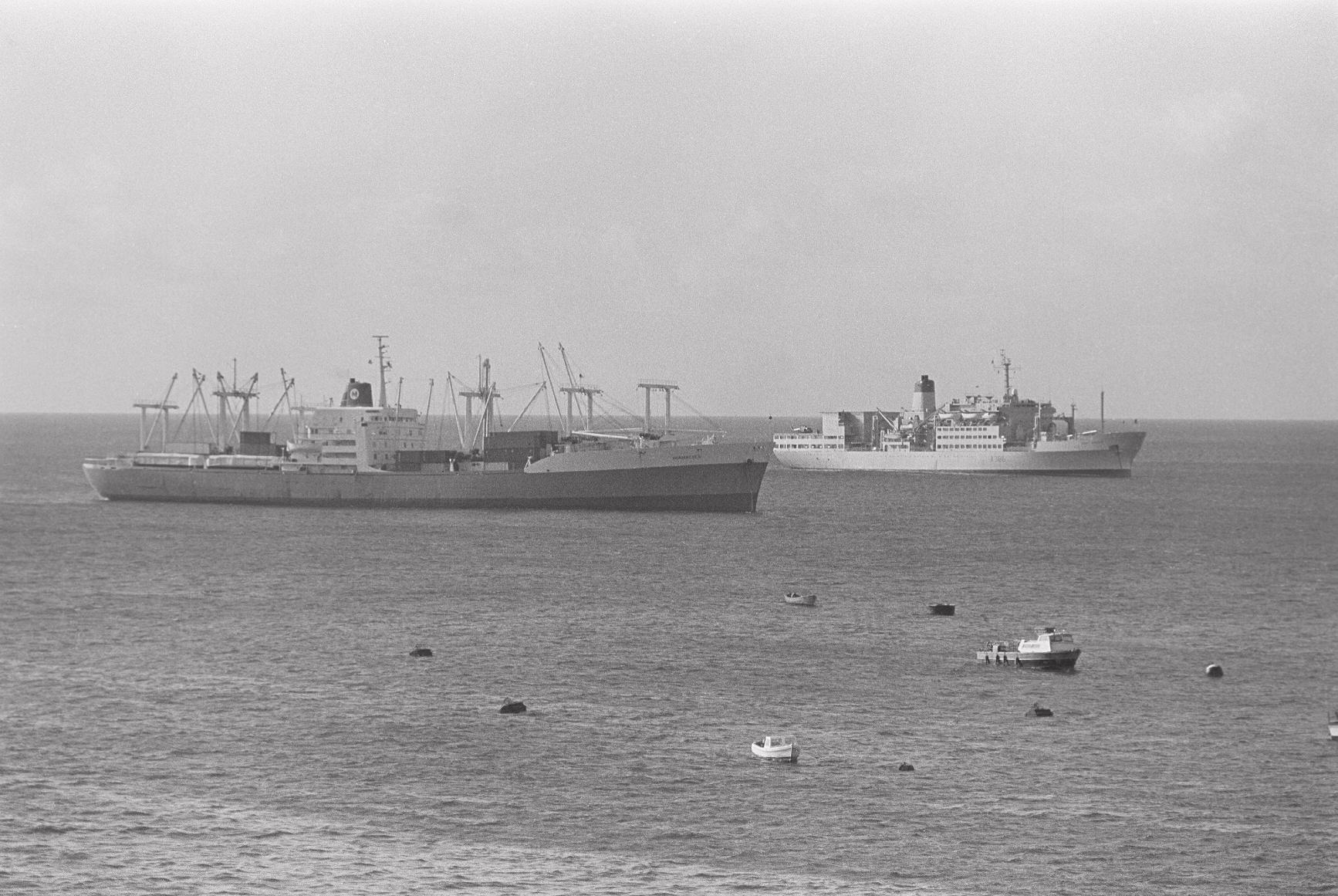
..... this time with US container ship
Mormacsea |
| |
|
|
 |
|
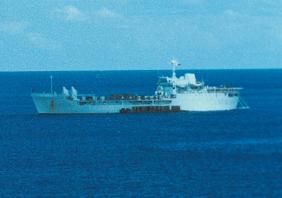 |
| 79.
.... and with two LSL's, Sir Geraint on right |
|
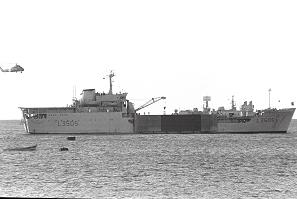
80.
LSL Sir Galahad, bombed and lost 8th June |
| |
|
|
 |
|
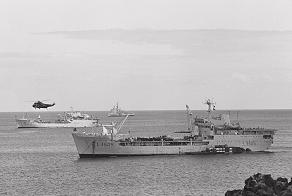 |
| 81.
LSL Sir Tristram with Wessex hovering,
mexeflote lashed alongside, and beyond, a
County-class destroyer |
|
82.
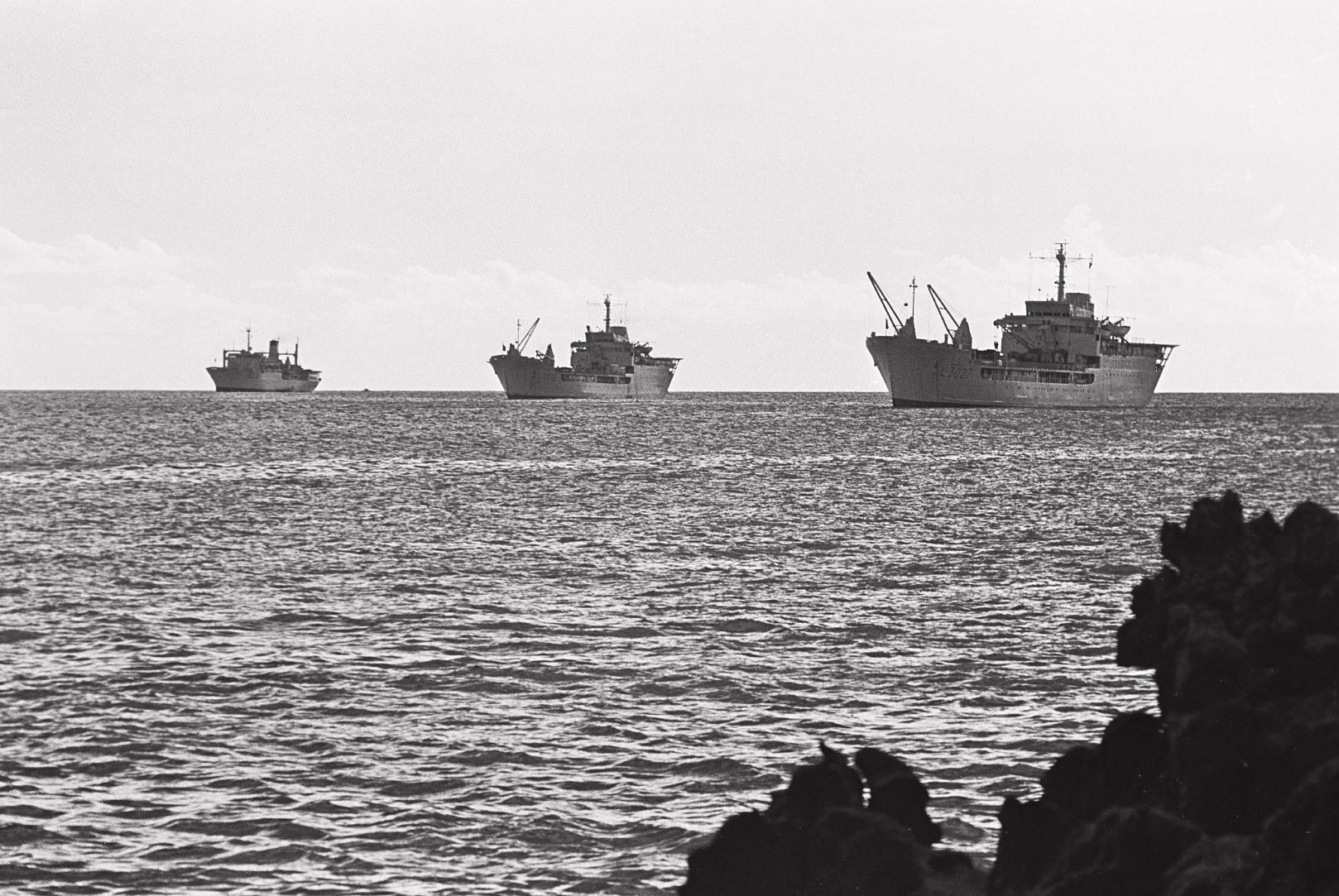
LSL Sir Tristram and beyond her, Sir Lancelot
and probably Fearless |
| |
|
|
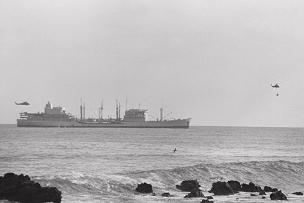 |
| 83.
Tide-class fleet tanker (Peter Robinson) |
| |
|
|
| |
|
|
Merchant
Ships Taken up from Trade
as Naval Auxiliaries |
| |
|
|
 |
|
 |
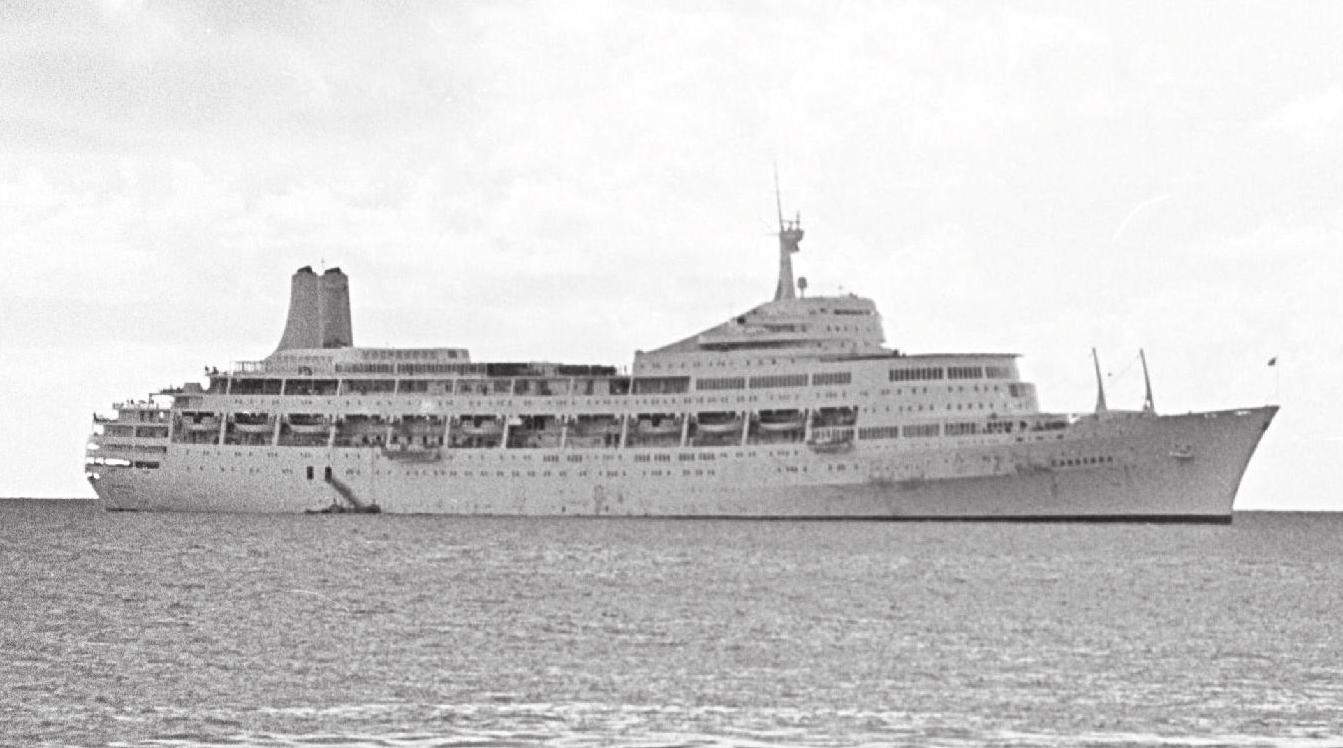
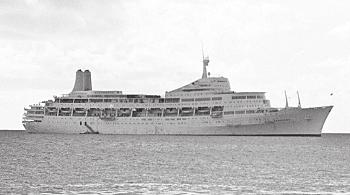
| 84.
Troop transport Canberra |
|
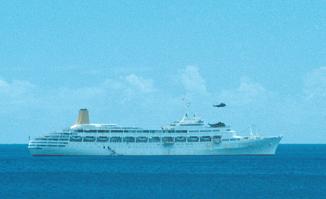
85.
Canberra and her helicopter deck |
| |
|
|
 |
|
 |
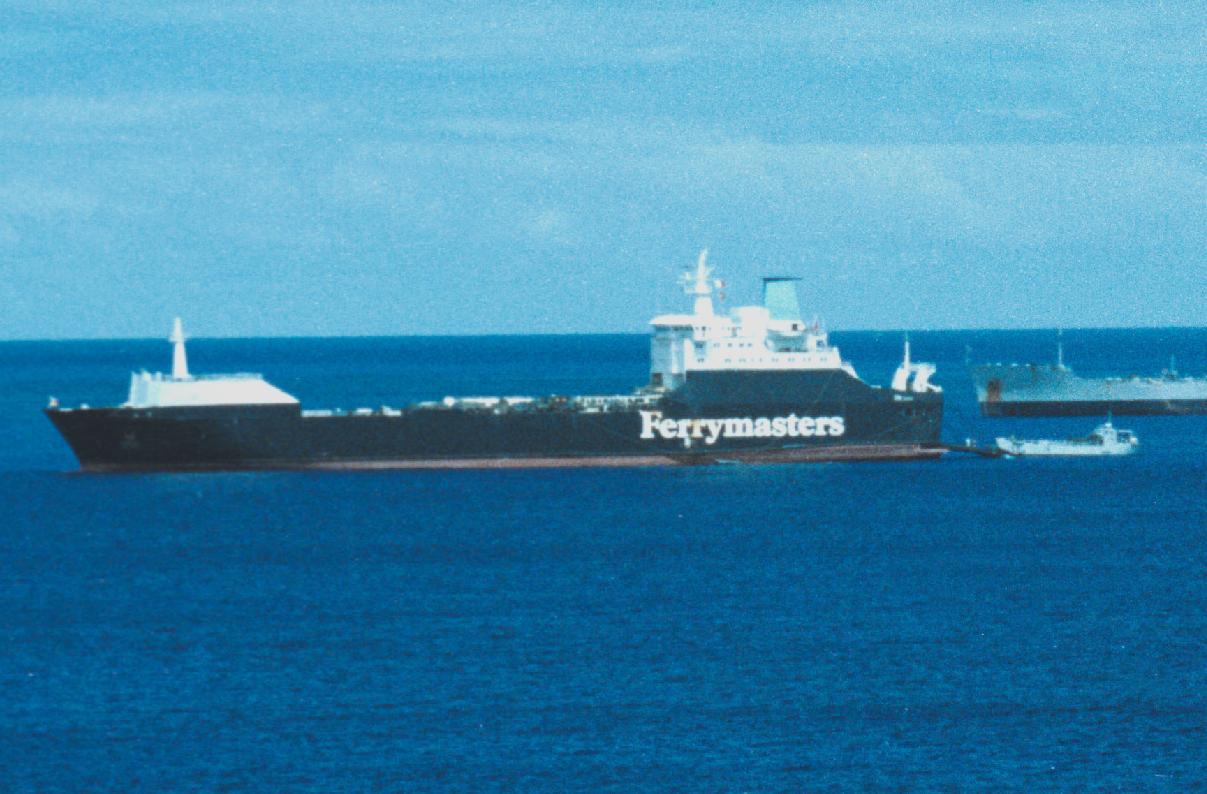
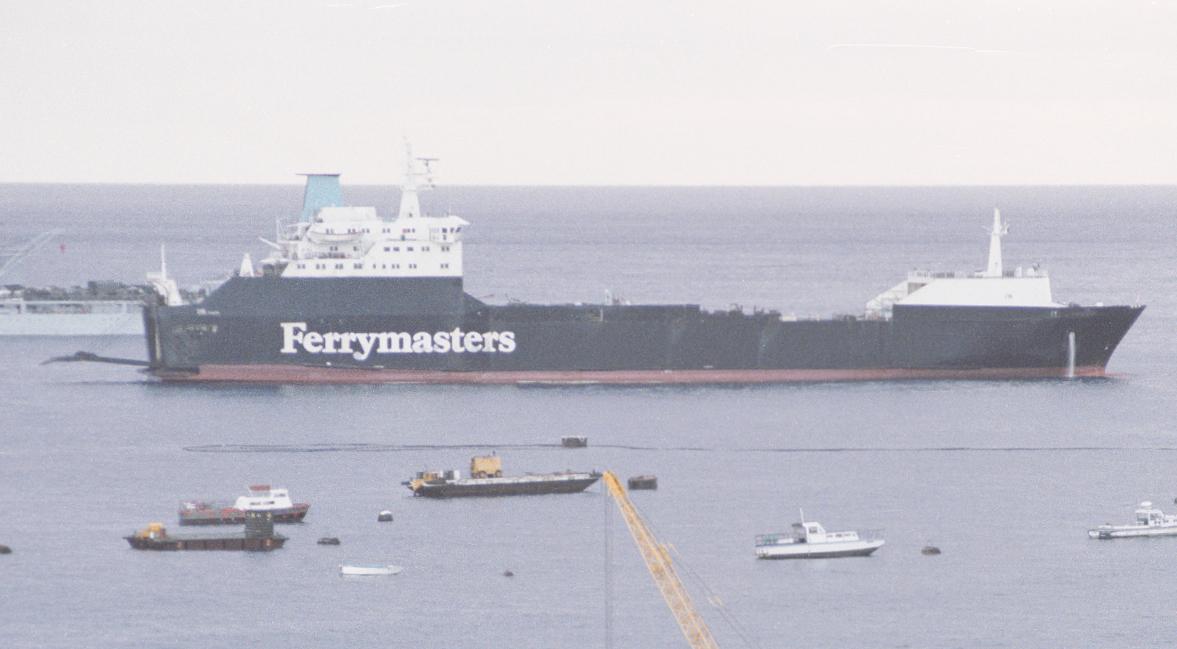
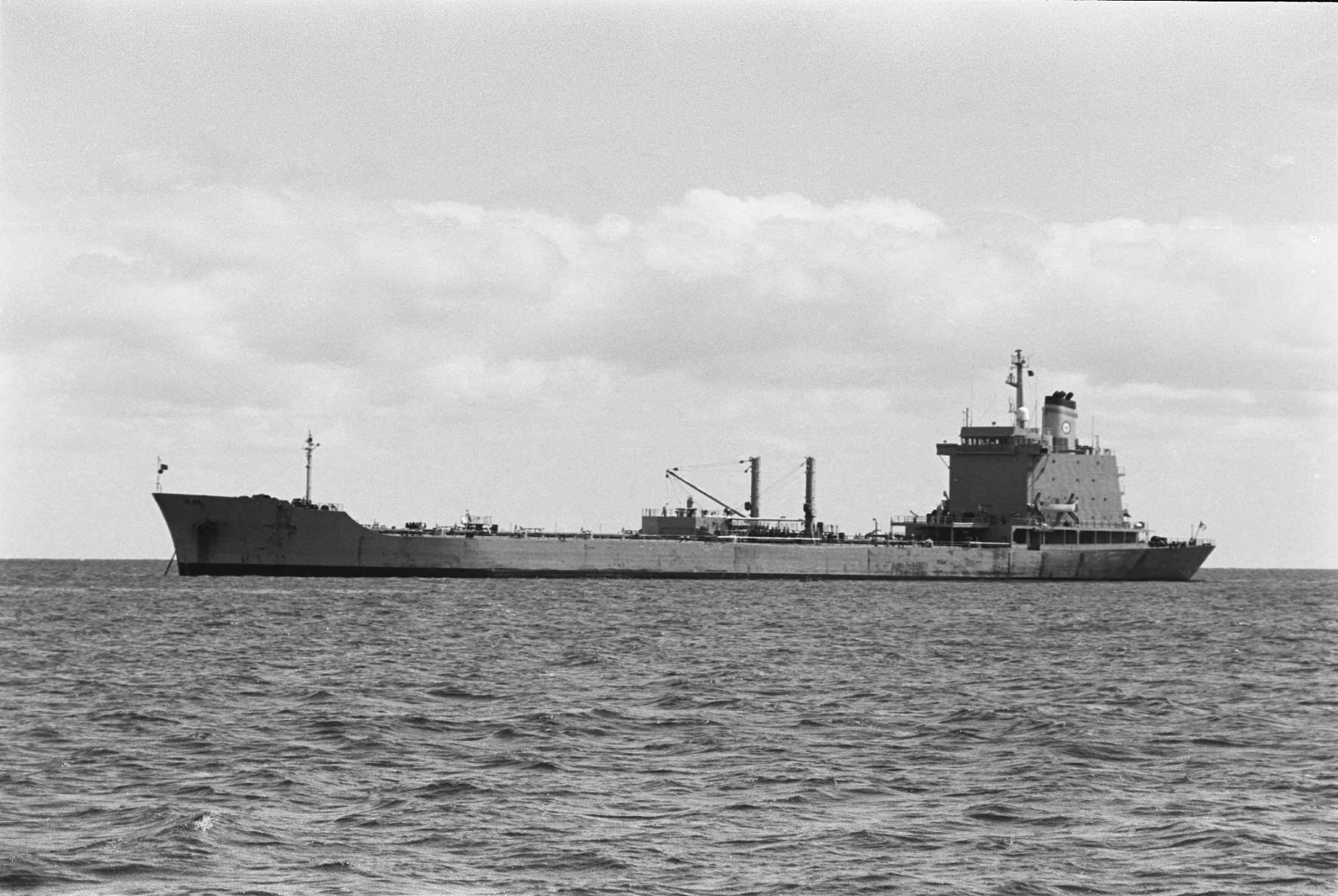
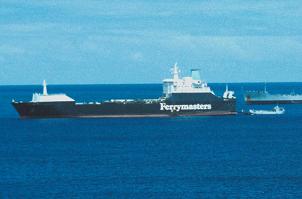
| 86.
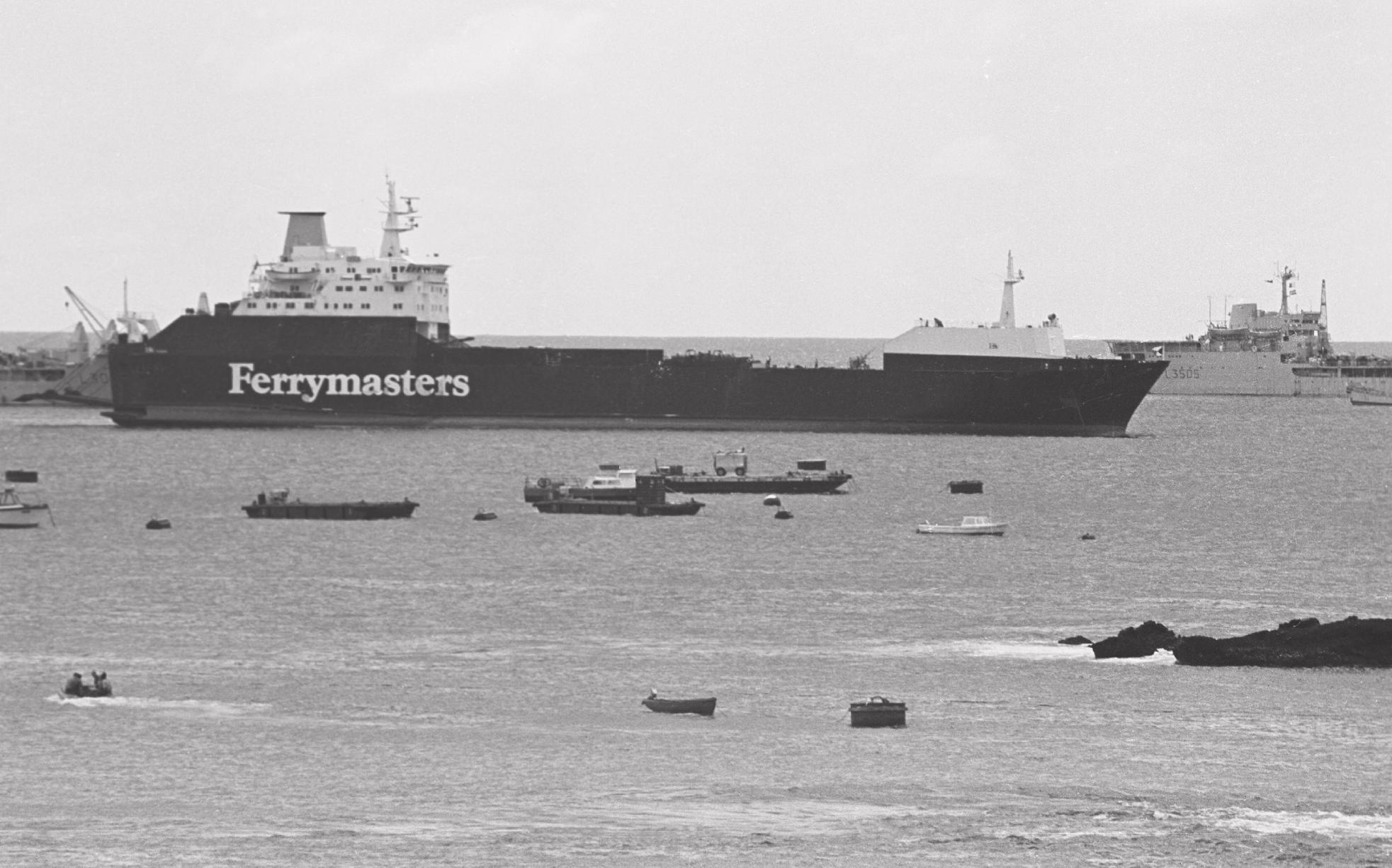
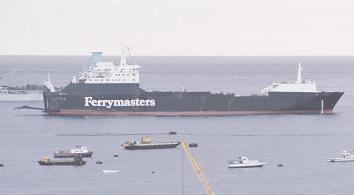
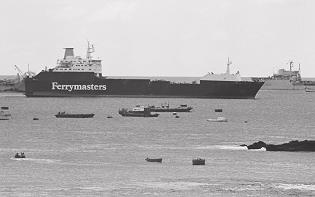
Troop equipment transport Elk (and following)
with an LCU at her stern ramp |
|
87. |
| |
|
|
 |
|
 |
| 88. |
|
89.
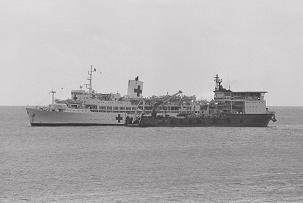
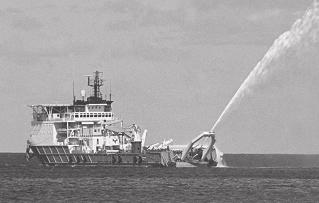
Hospital ship Uganda and repair ship Stena
Seaspread |
| |
|
|
 |
|
 |
| 90.
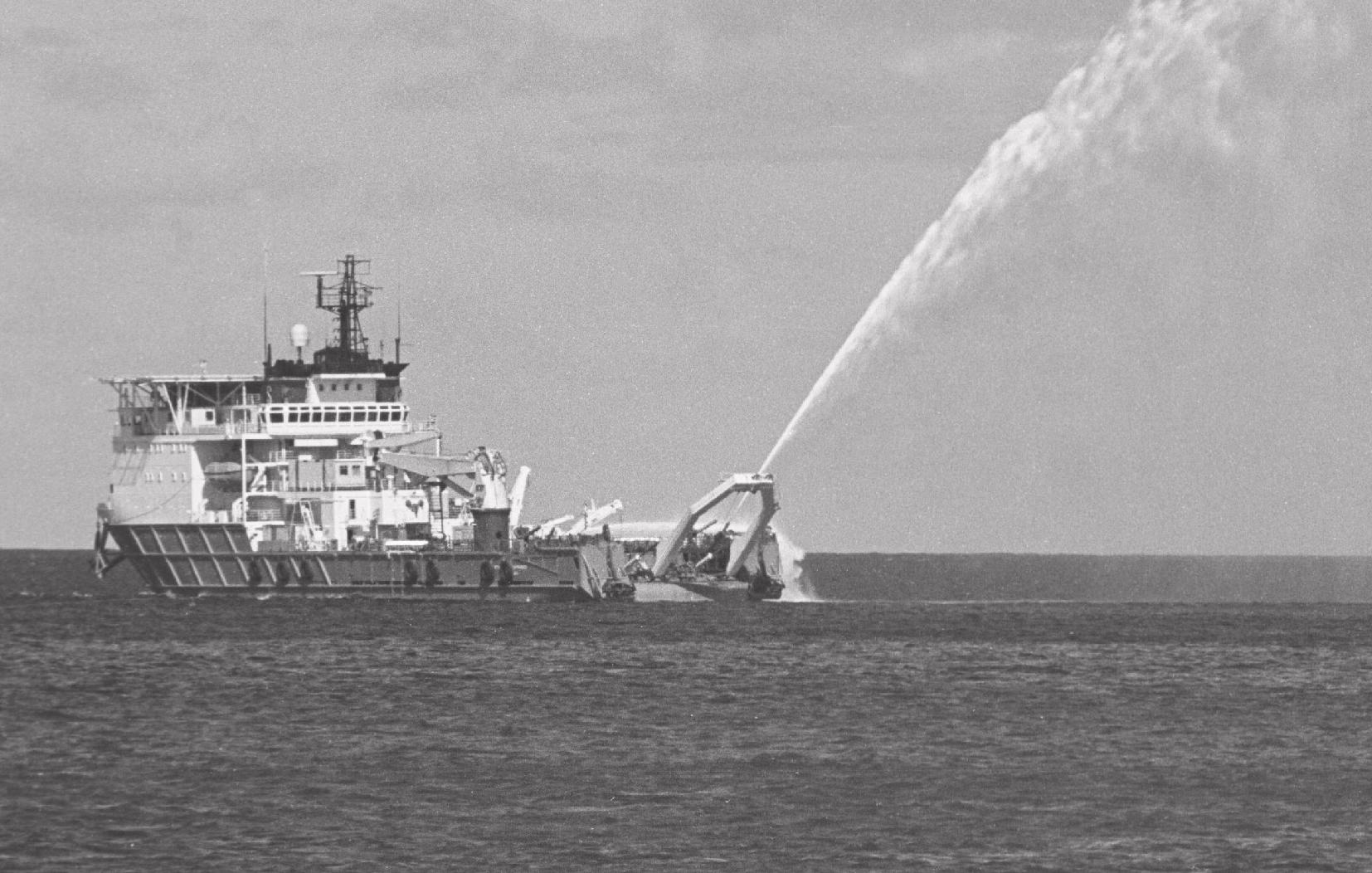
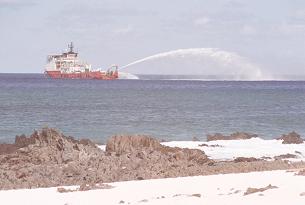
Stena Seaspread |
|
91.
..... and her fire-fighting capability |
| |
|
|
 |
|
 |
| 92.
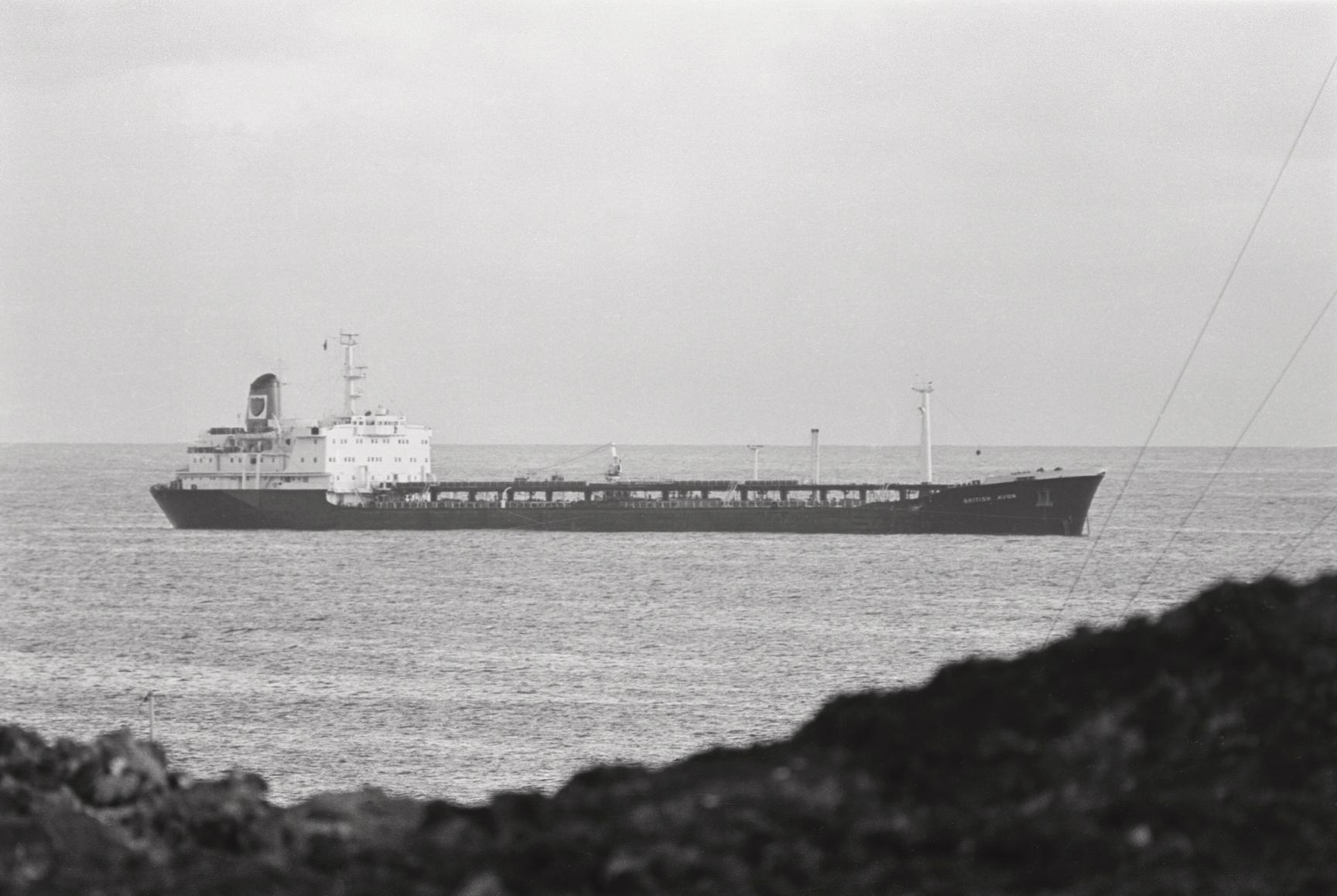
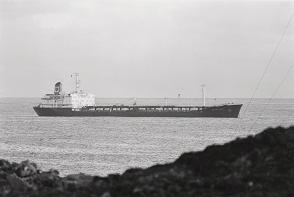
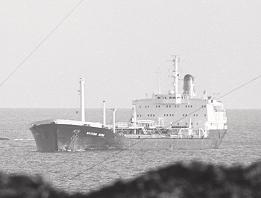
Tanker British Avon |
|
93.
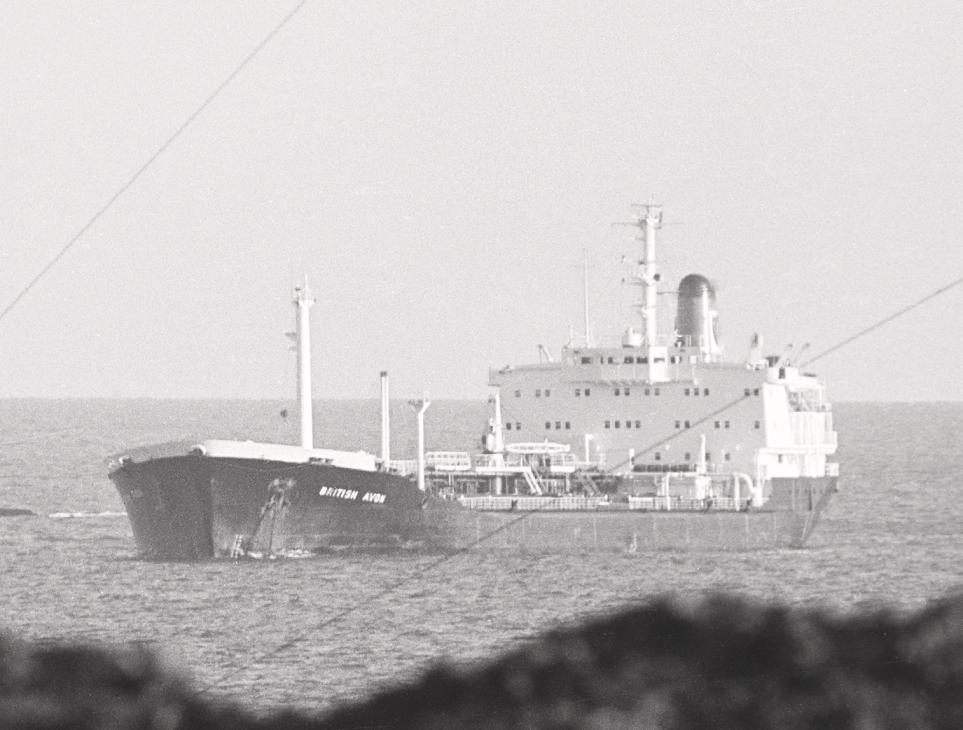
..... and again |
| |
|
|
 |
|
 |
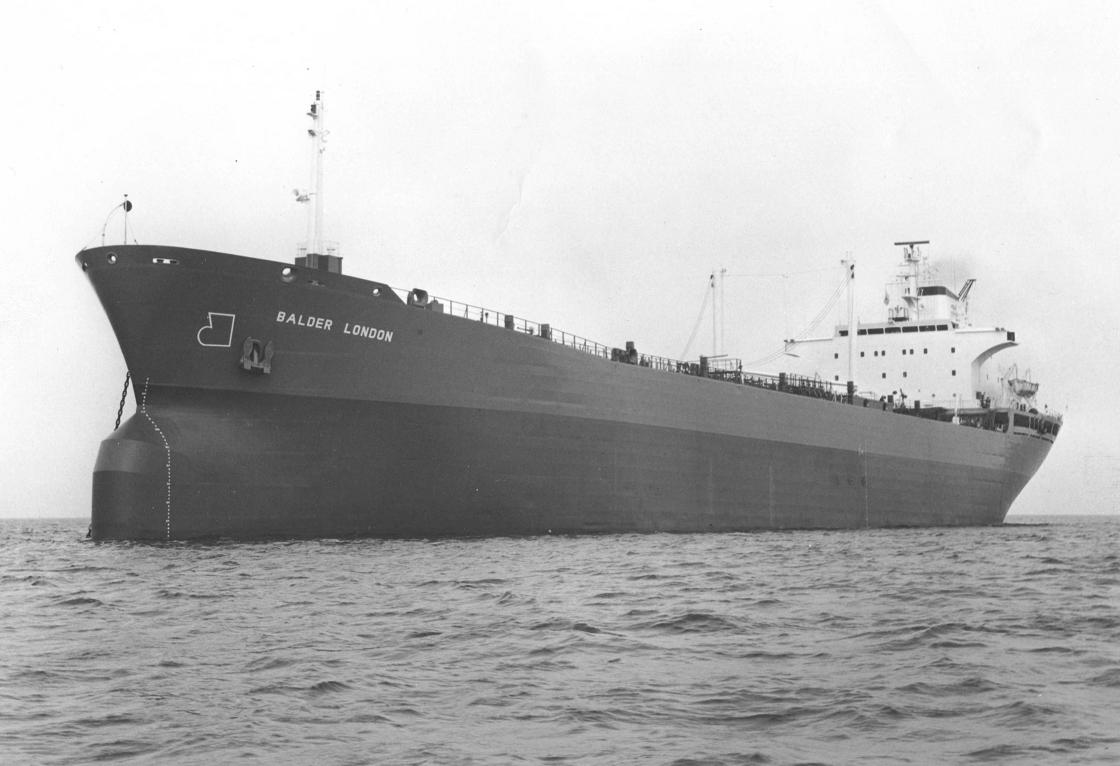
| 94.
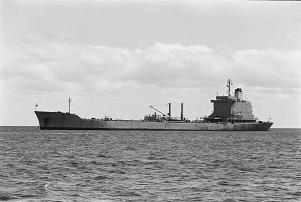
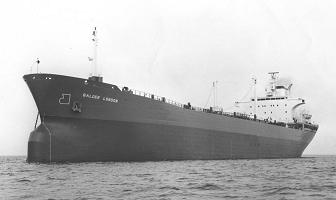
Originally believed to be Tanker Balder
London, but identity now unknown (see 94b) |
|
94b.
Tanker Balder London in 1981 -
|
thanks
to Larry Collier. "I believe images 73,
75 and the close-up 94 are incorrect as
this is not the Balder London. At the
time of the Falklands I was Chief
Officer on the ship. Although the images
you have are similar, the bridge wings
are different, as is the bow. The Balder
London did not have a satellite system:
we relied on morse code for
communications which the RN
communications officer sailing with us
was unable to understand. Our own radio
officer spent long spells sending and
receiving 1000 word cables."
|
| |
|
|
 |
|
 |
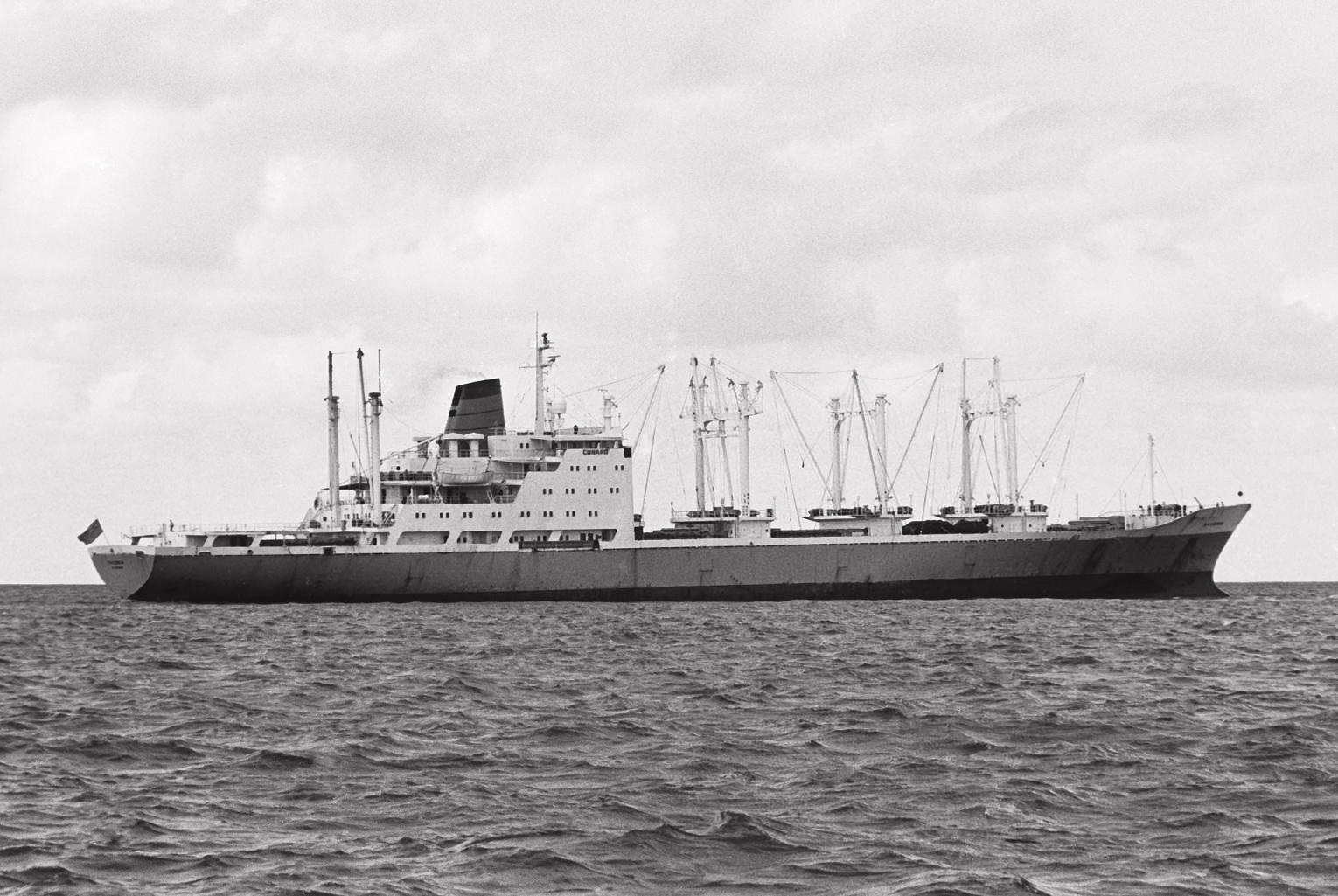
| 95.
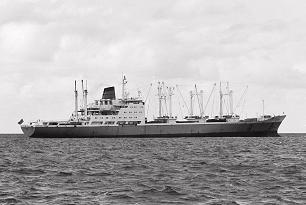
Refrigerated stores ship Saxonia |
|
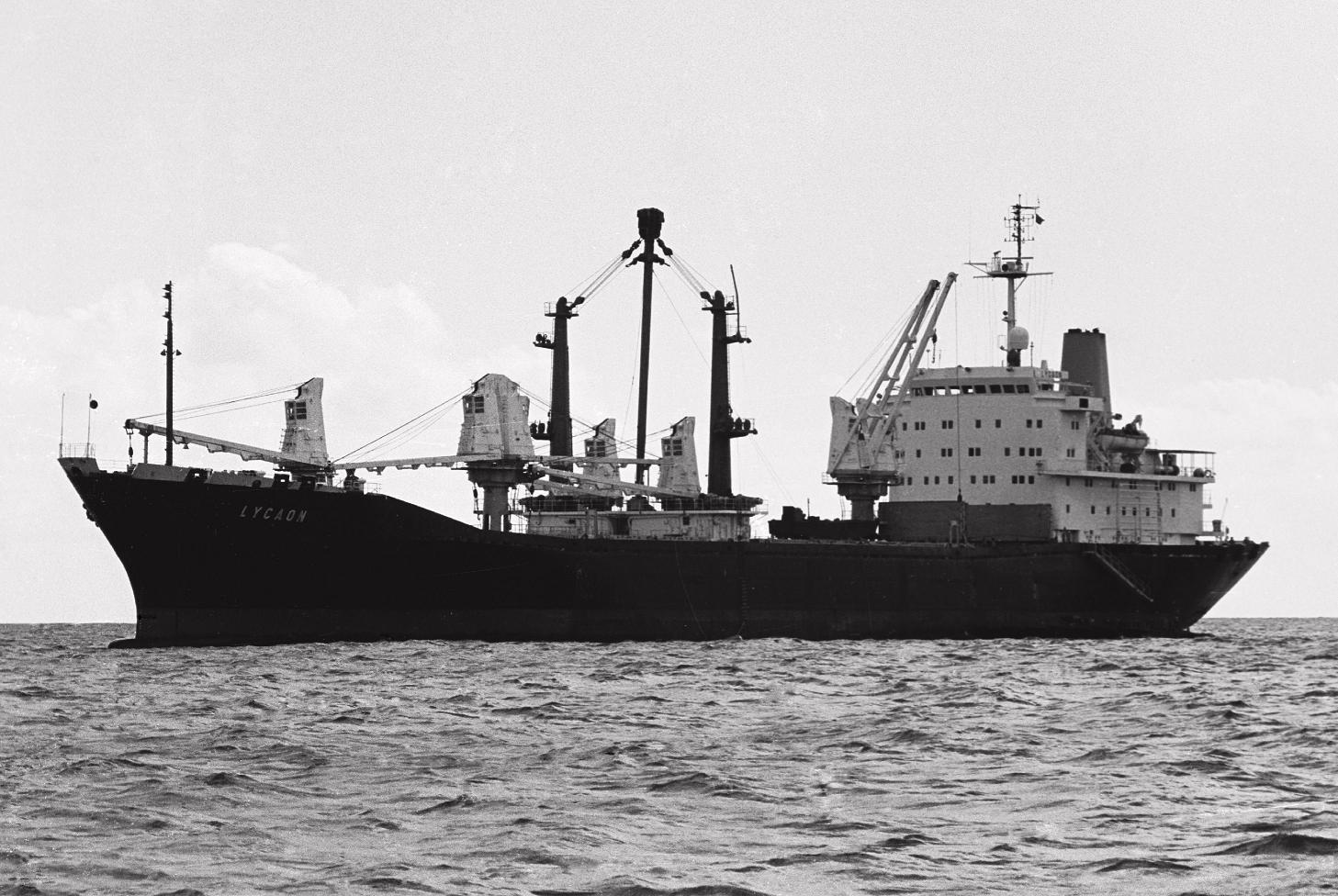
96.
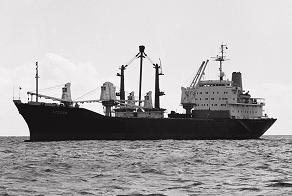
Ammunition ship Lycaon |
| |
|
|
| |
|
|
| Other
Merchant Ships |
| |
|
|
 |
|
 |
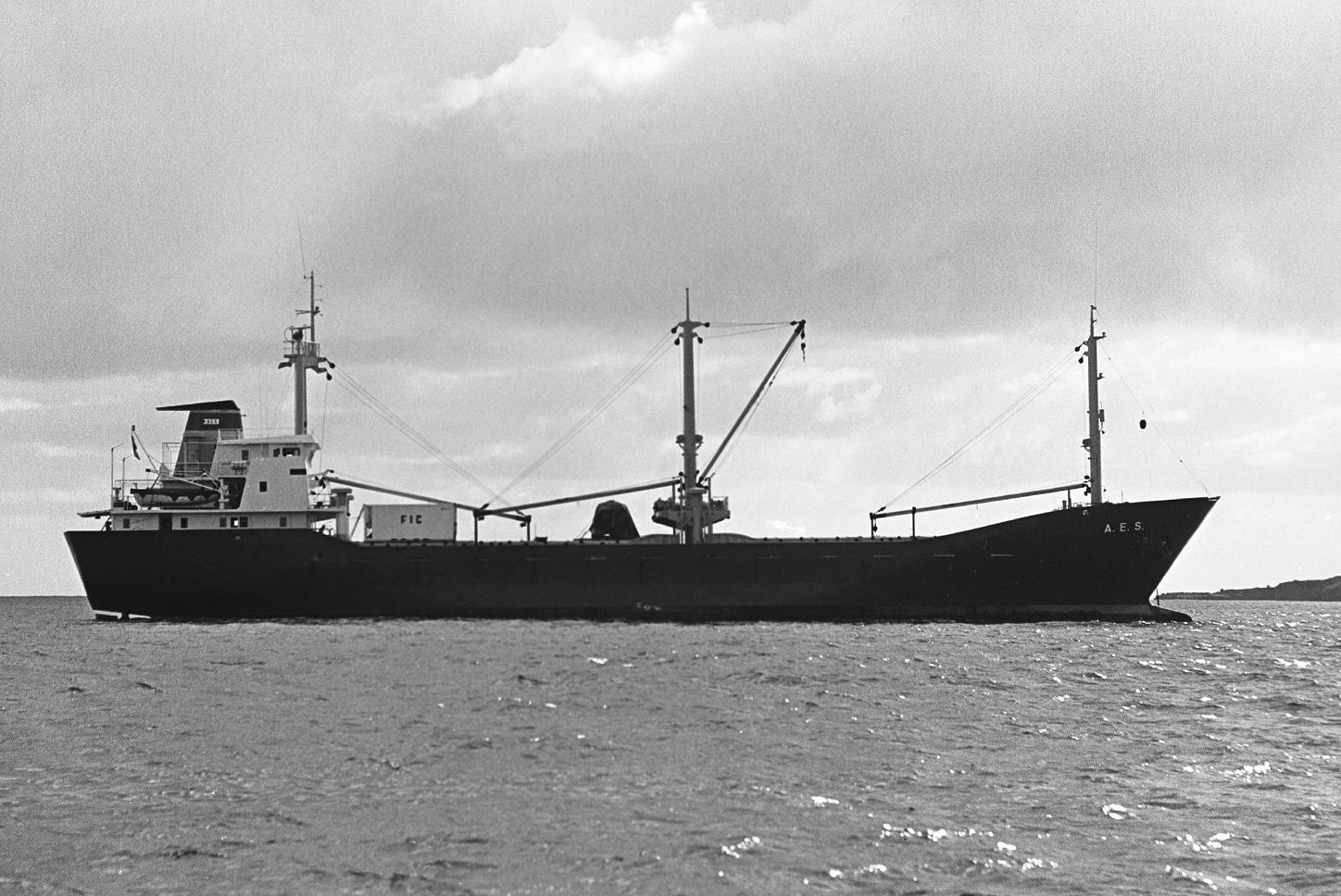
| 97.
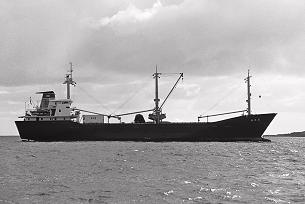
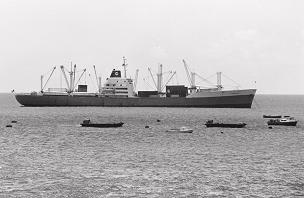
Freighter A.E.S. |
|
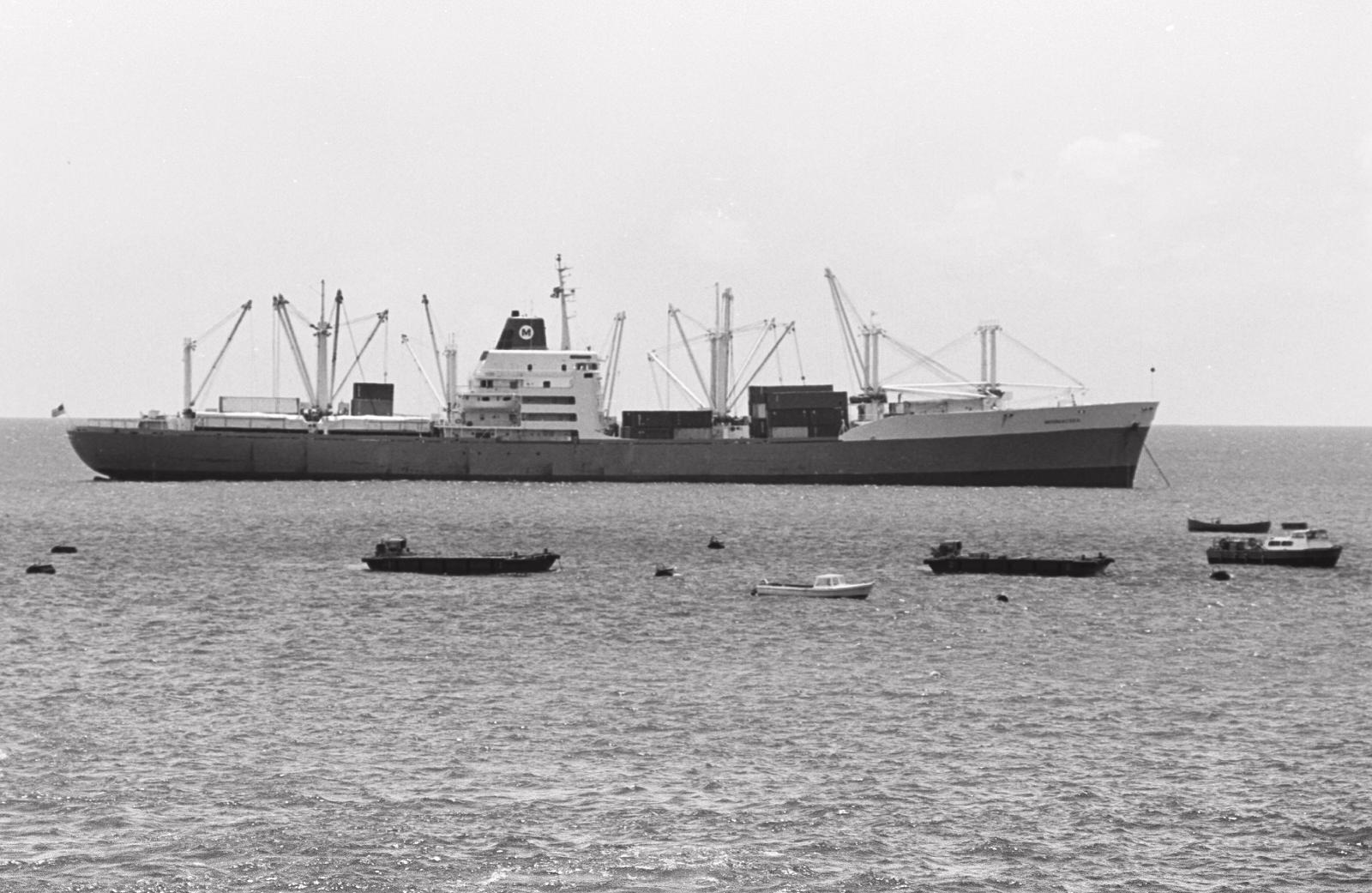
98.
US container ship Mormacsea |
| |
|
|
| |
|
|
|
| |
|
|
| |
|
|
| AIRCRAFT
...... |
| |
|
|
| |
|
|
 |
|
 |
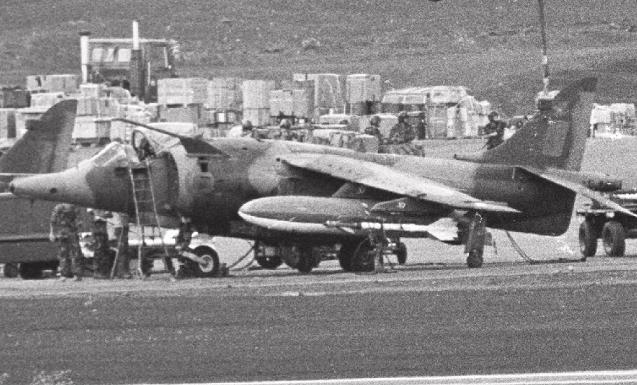
| 99.
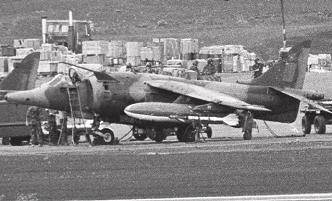
RAF Harrier GR3 fighter |
|
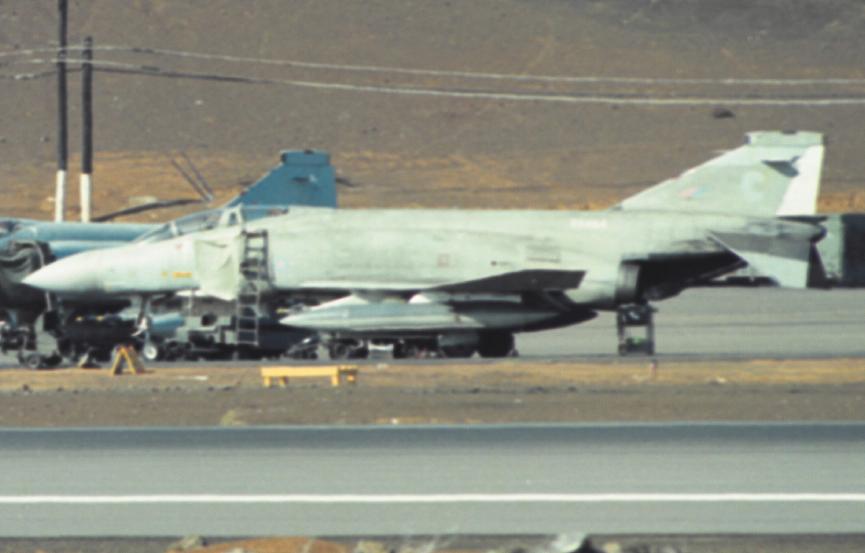
100.
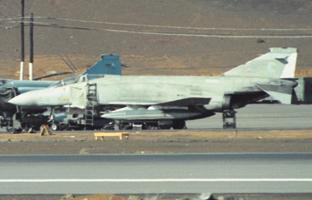
RAF Phantom fighter |
| |
|
|
 |
|
 |
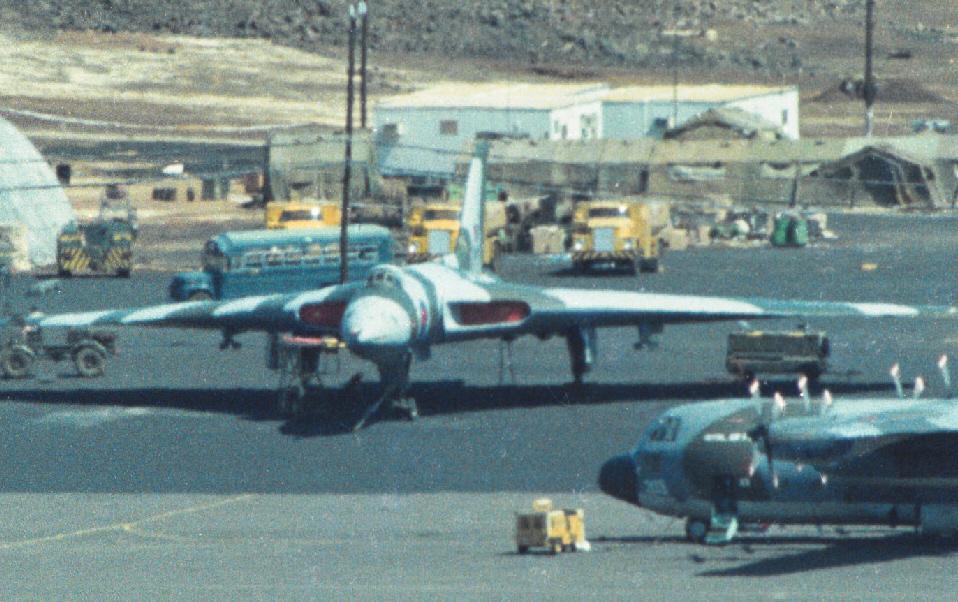
| 101.
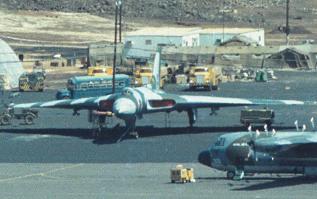
RAF Vulcan bomber |
|
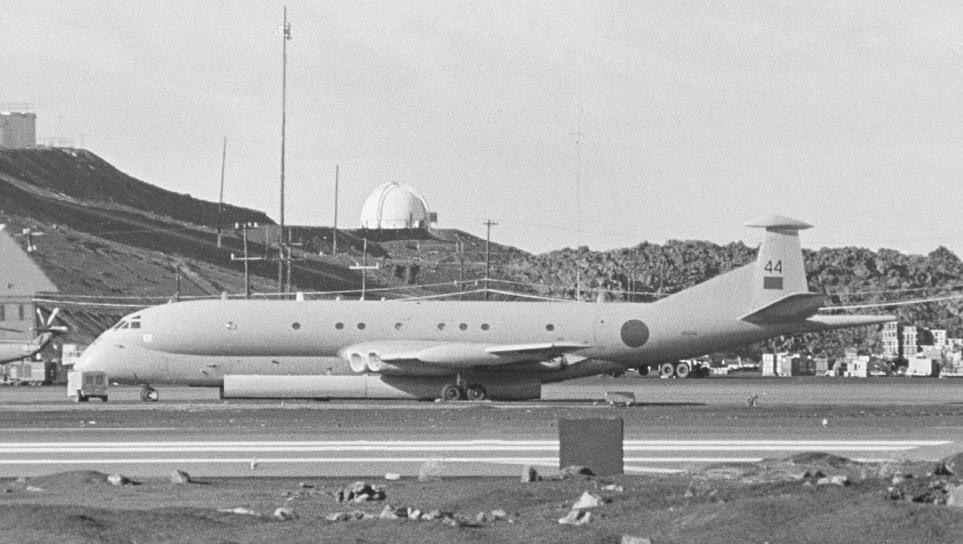
102.
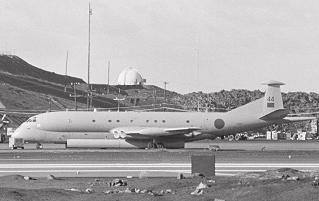
RAF Nimrod maritime reconnaissance |
| |
|
|
 |
|
 |
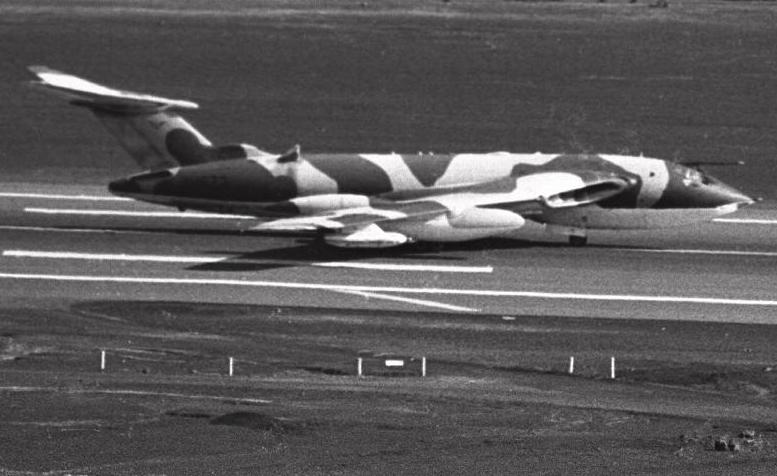
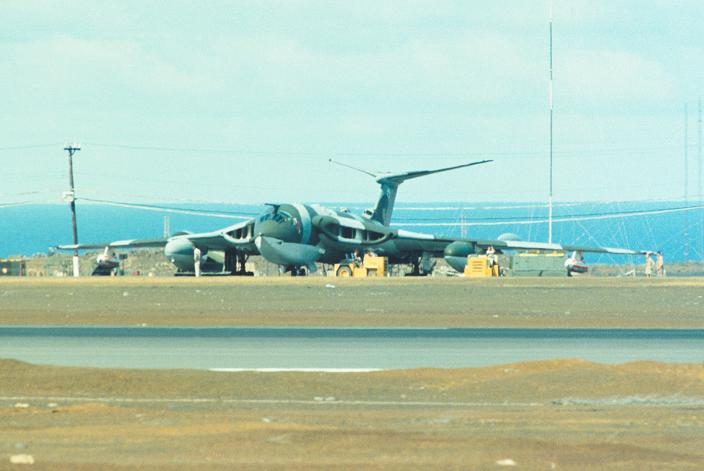
| 103.
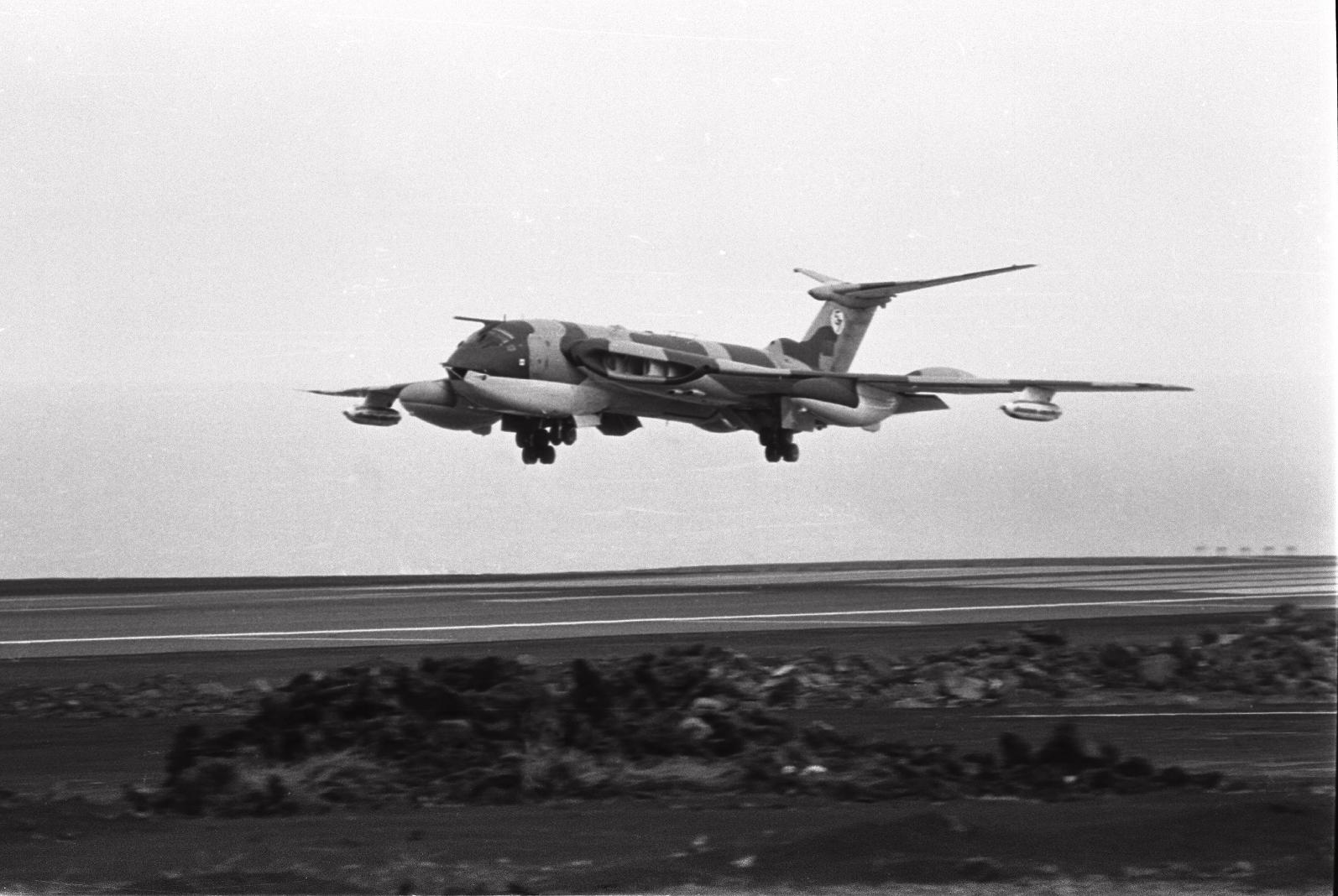
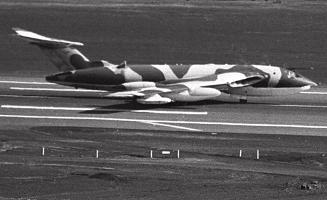
RAF Victor tanker |
|
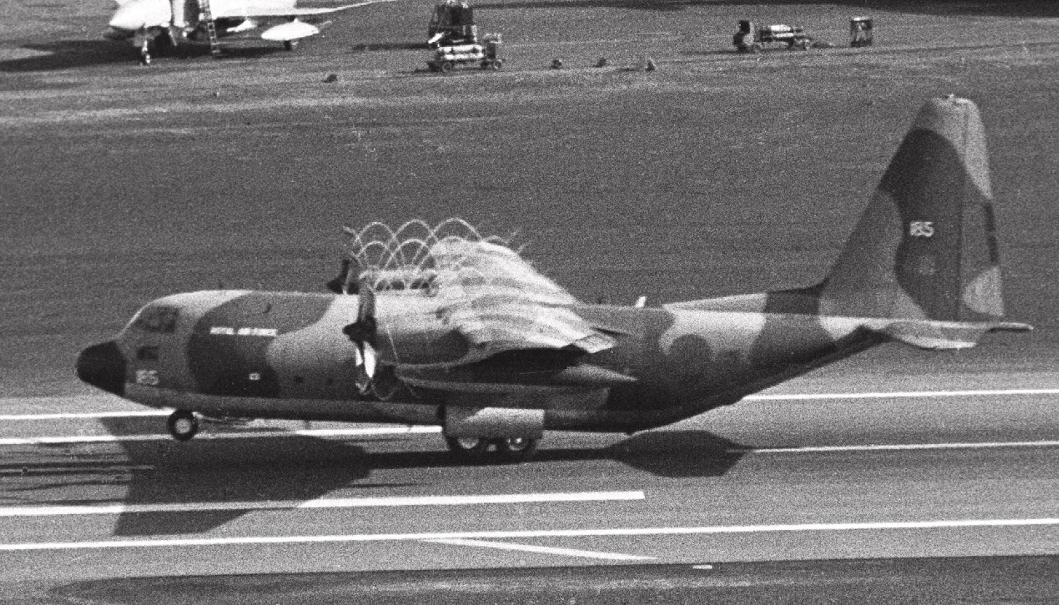
104.
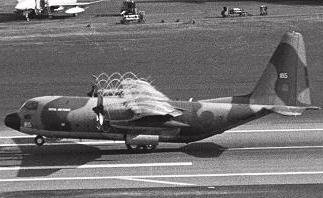
RAF Hercules C-130 transport |
| |
|
|
 |
|
 |
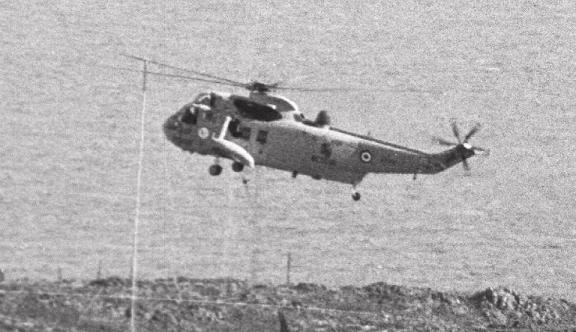
| 105.
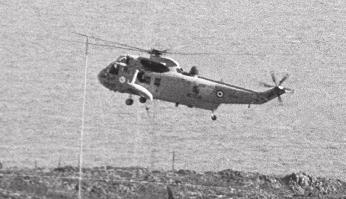
RAF Sea King |
|
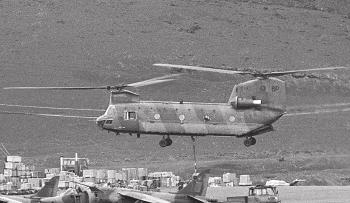
106.
RAF Chinook |
 |
107.
FAA Wessex
(no enlargement) |
 |
|
 |
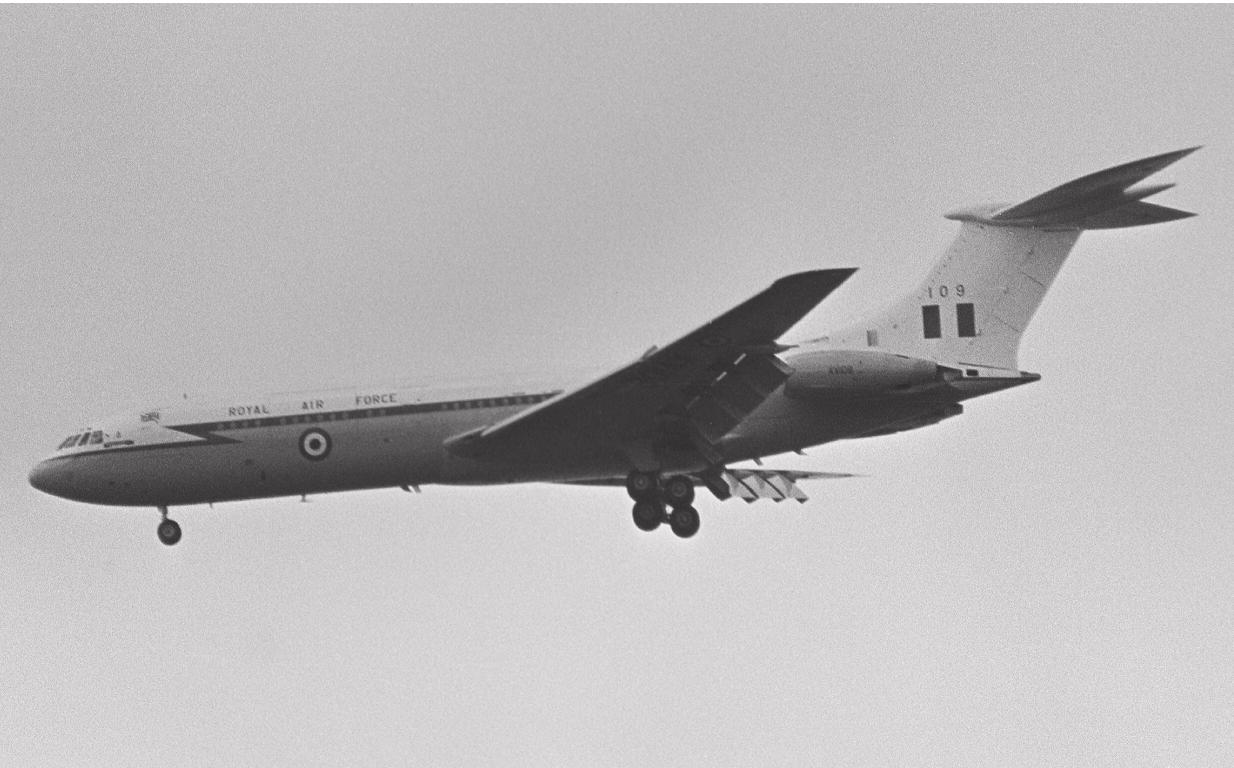
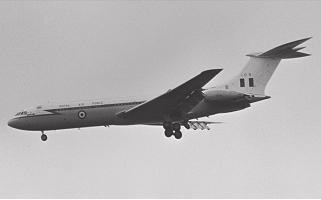
| 108.
RAF VC-10 passenger transport |
|
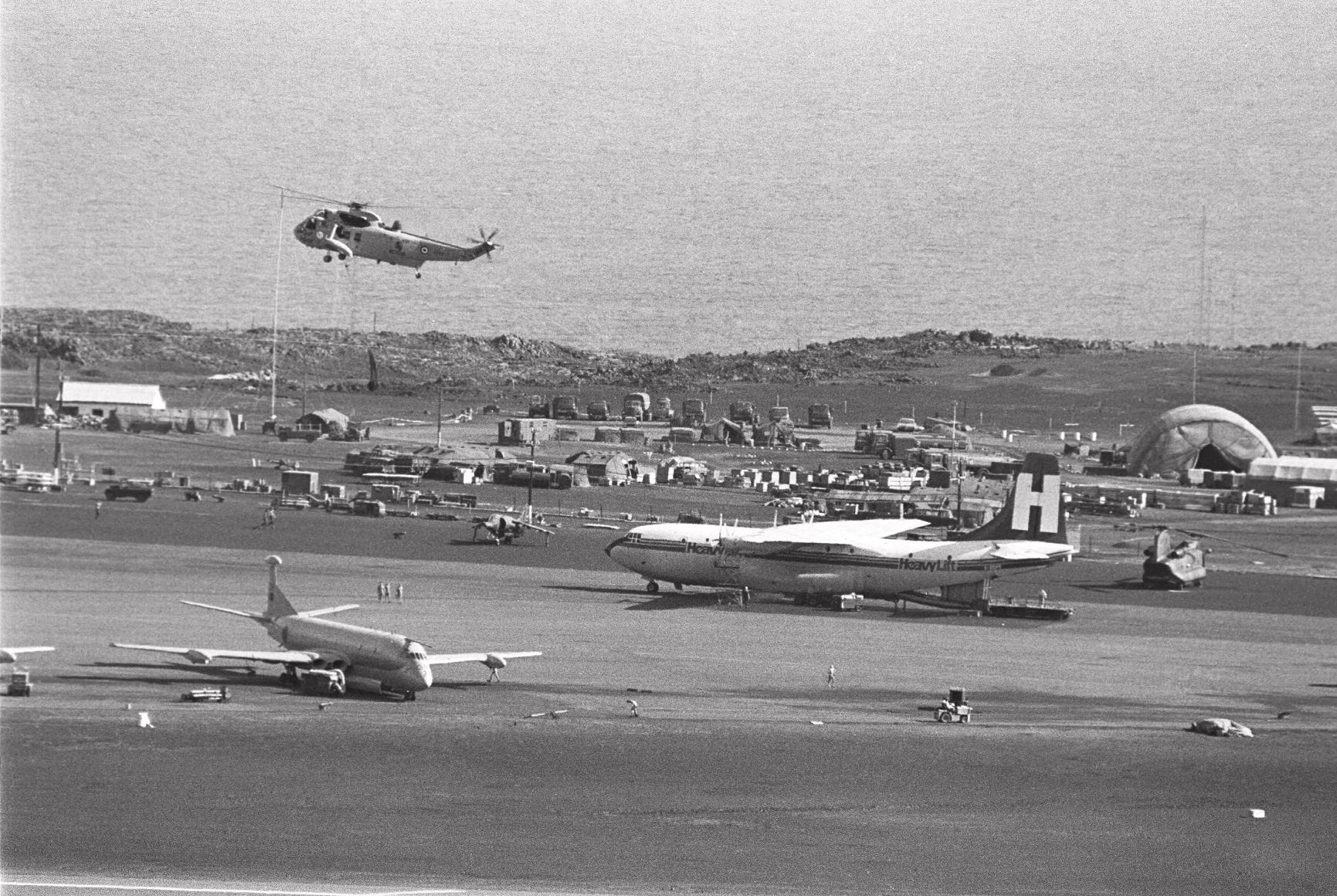
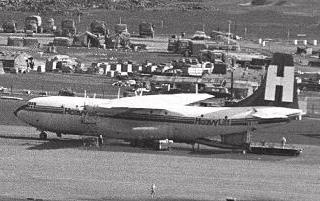
109.
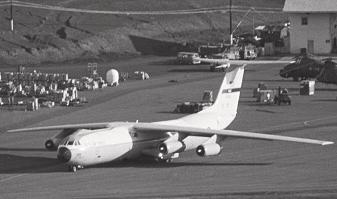
Chartered civilian "Heavy Lift" transport |
| |
|
|
 |
|
 |
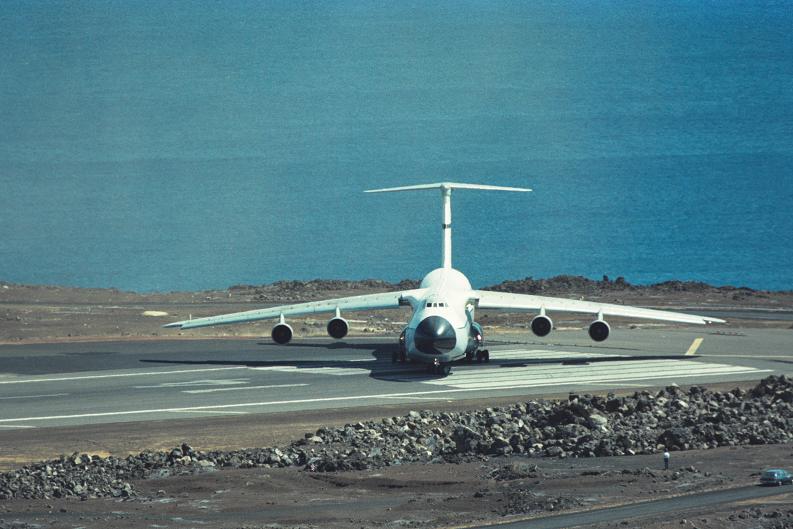
| 110.
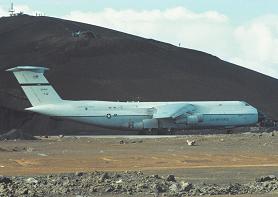
USAF C-5A transport |
|
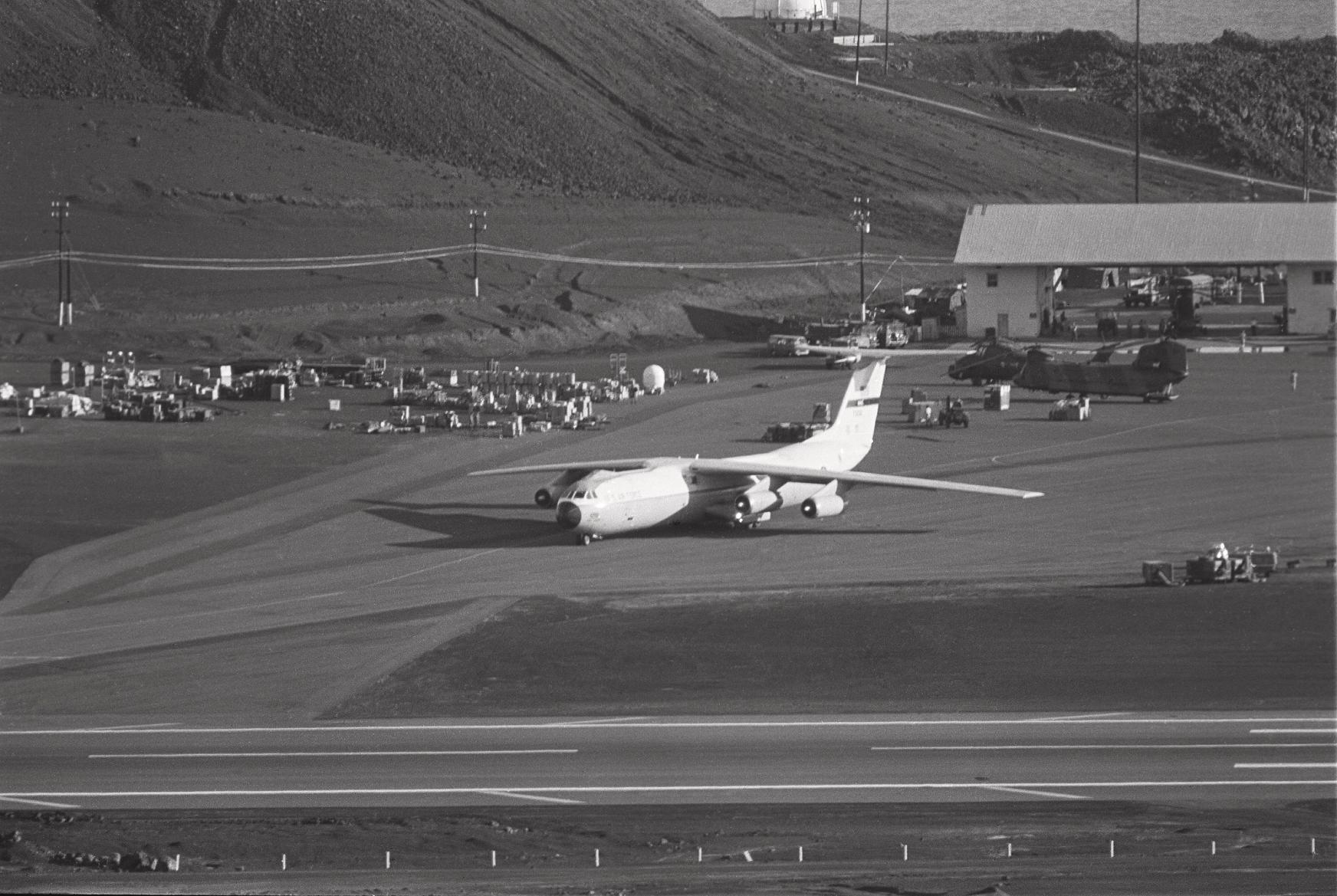
111.
USAF C-141 transport |
| |
|
|
| |
|
|
| .....
and Aircraft Movements |
| |
|
|
 |
|
 |
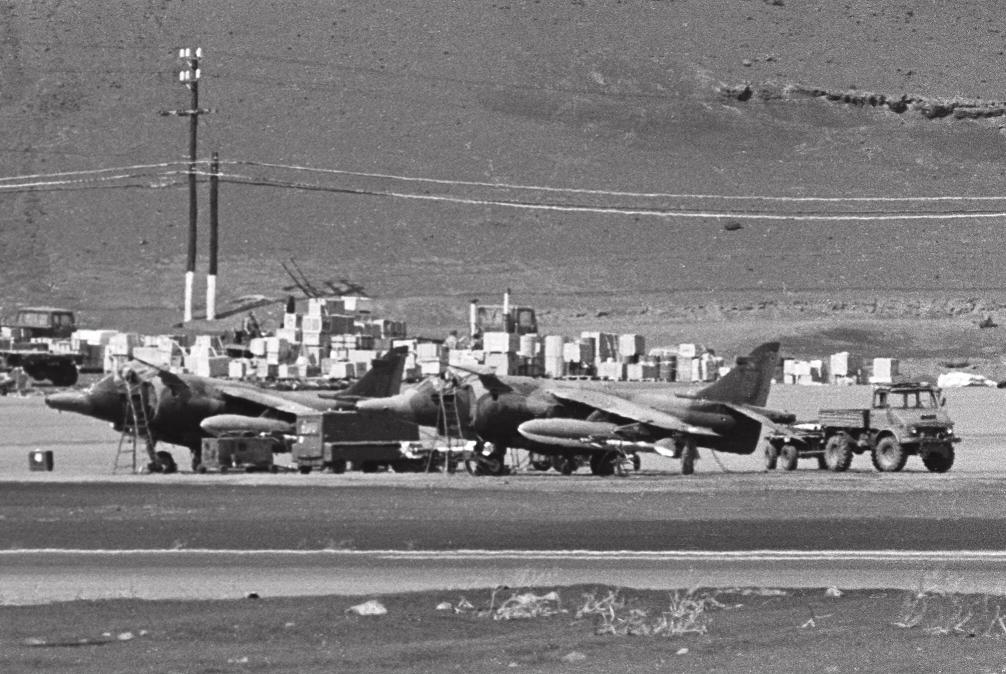
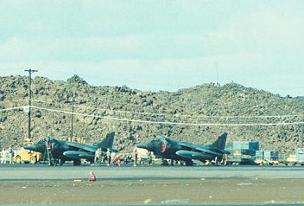
| 112.
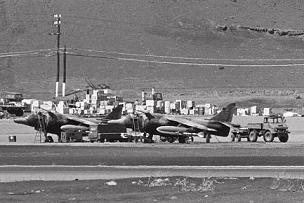
Local air defence Harrier GR.3's |
|
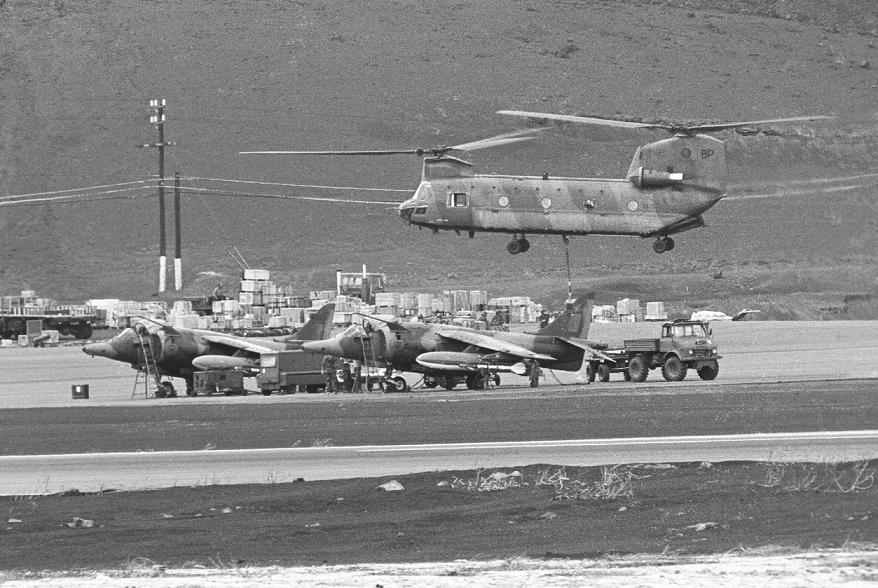
113.
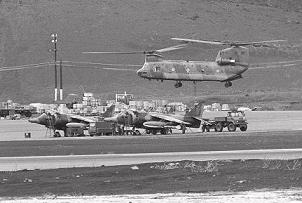
..... with the Vertrep Chinook |
| |
|
|
 |
|
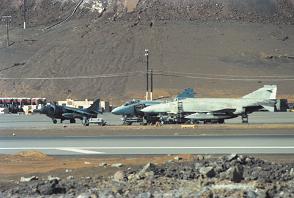 |
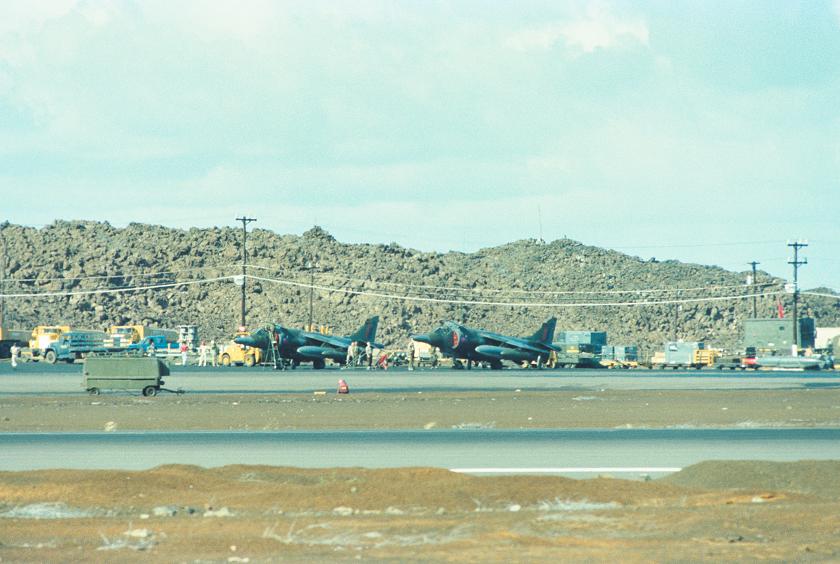
| 114.
Harrier GR3's again |
|
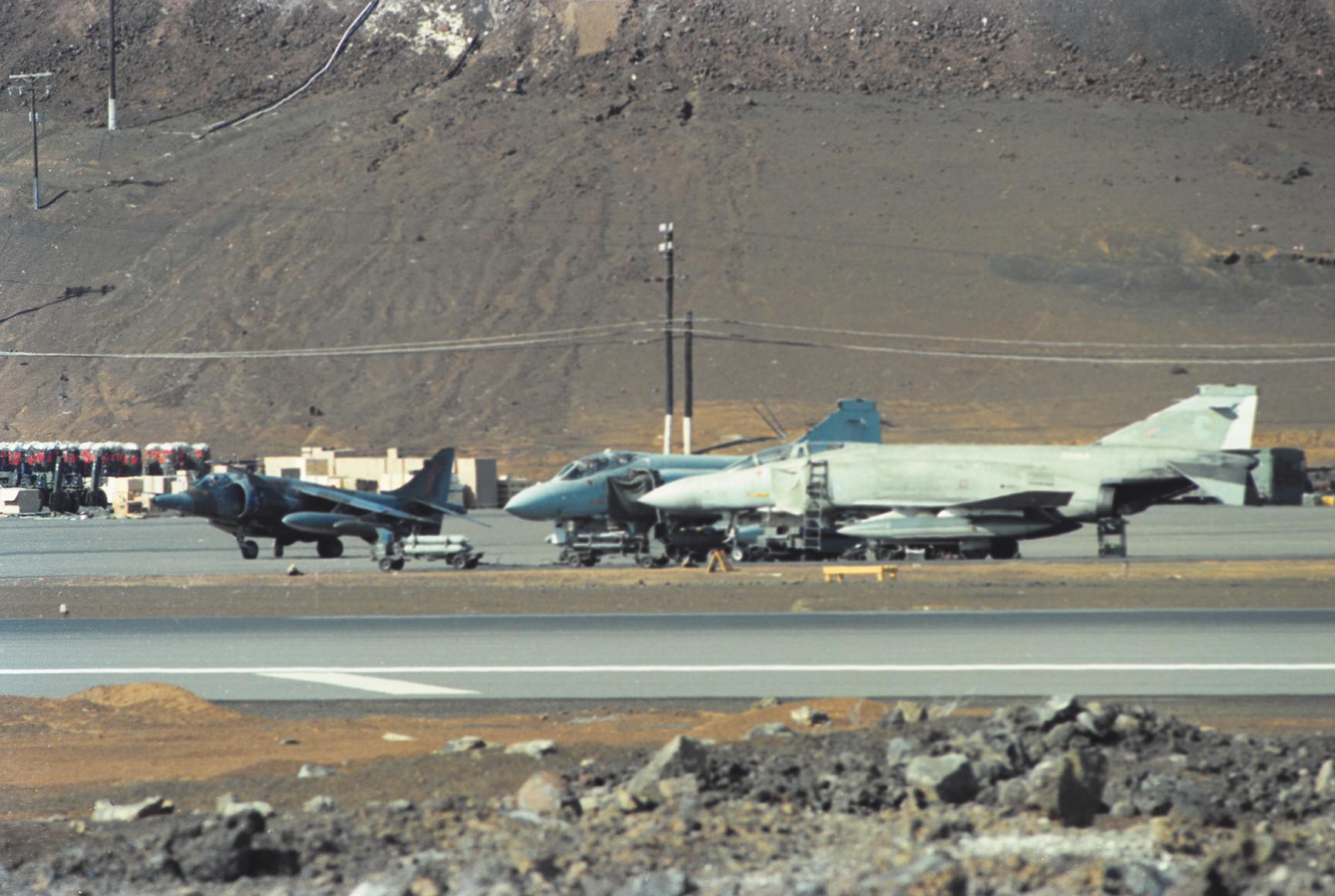
115.
..... and air defence Phantoms |
| |
|
|
 |
|
 |
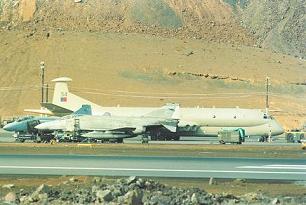
| 116.
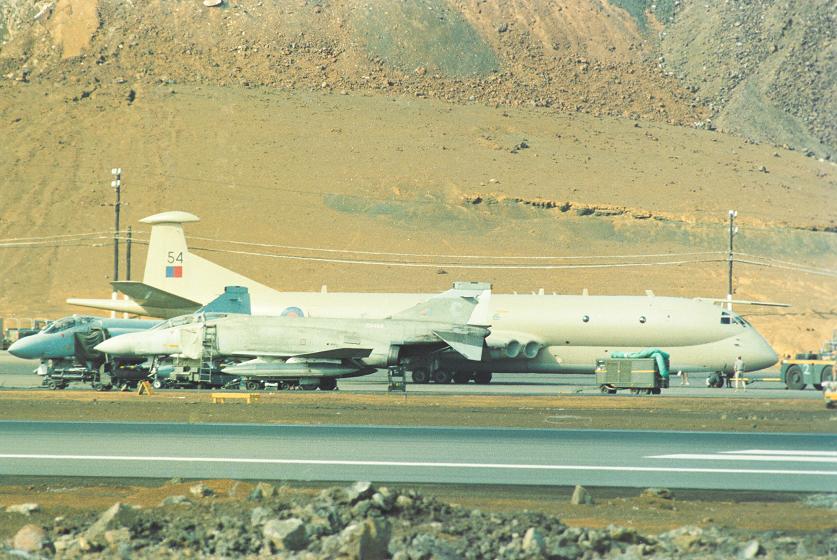
Phantoms and Nimrod (54) |
|
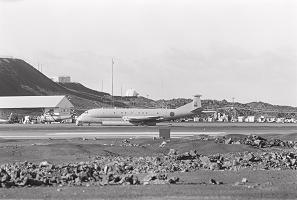
117.
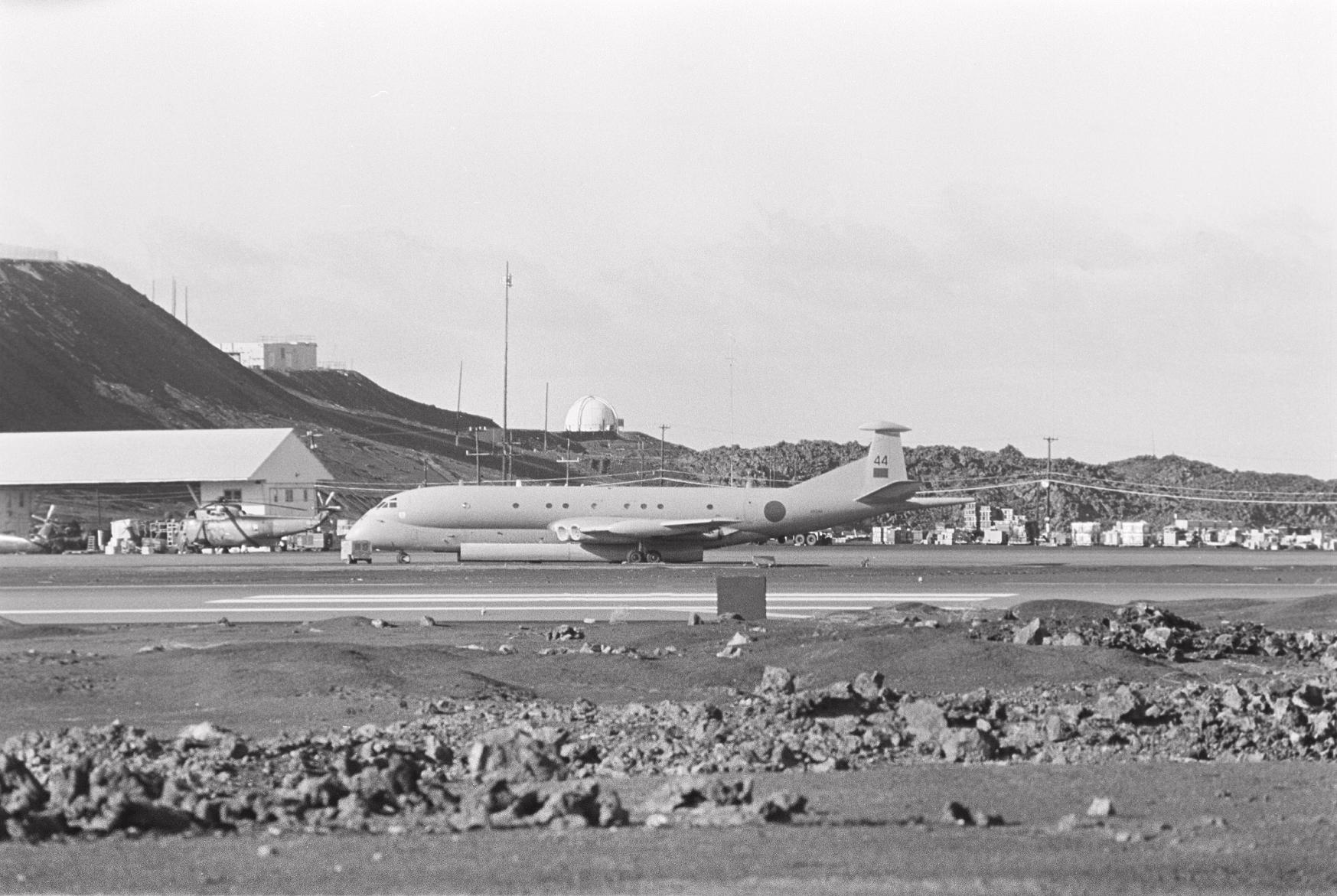
Nimrod |
| |
|
|
 |
|
 |
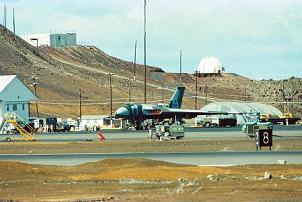
| 118.
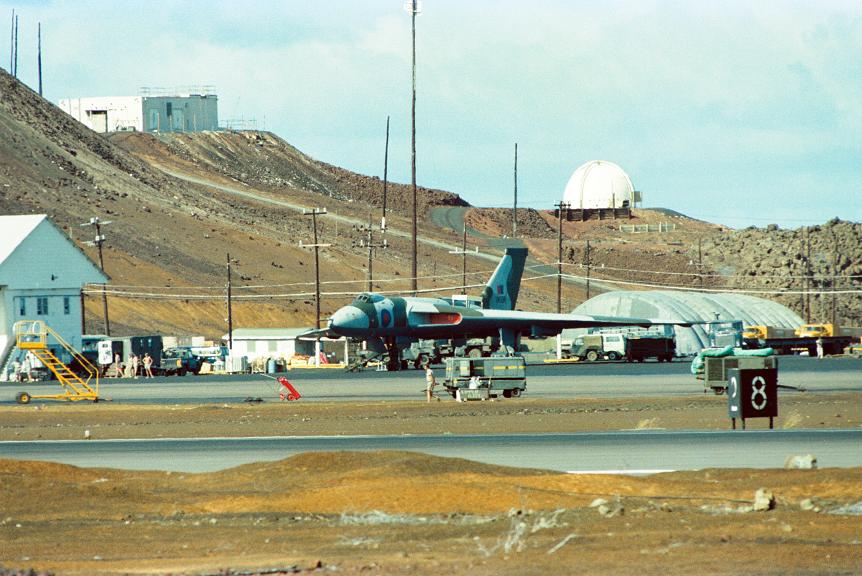
Vulcan |
|
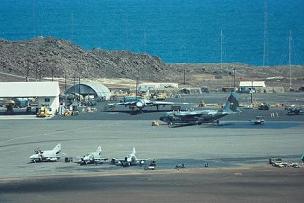
119.
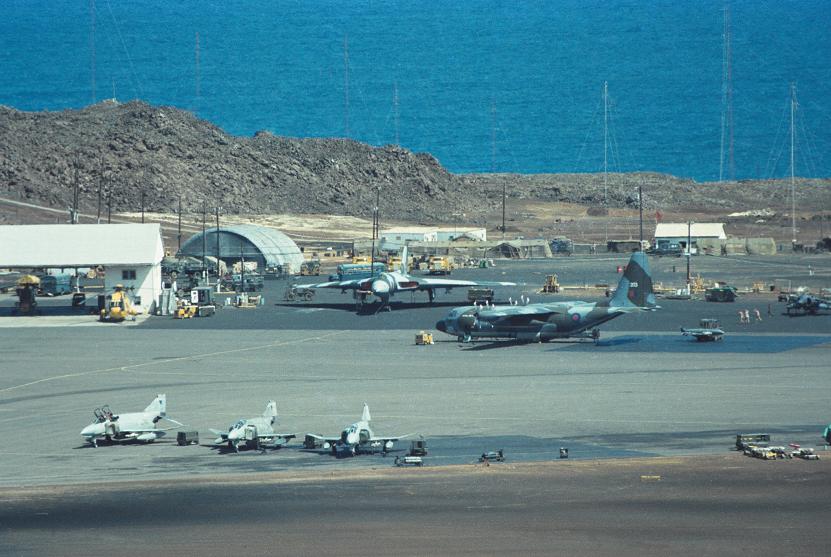
Phantoms, Vulcan, C-130 (203) |
| |
|
|
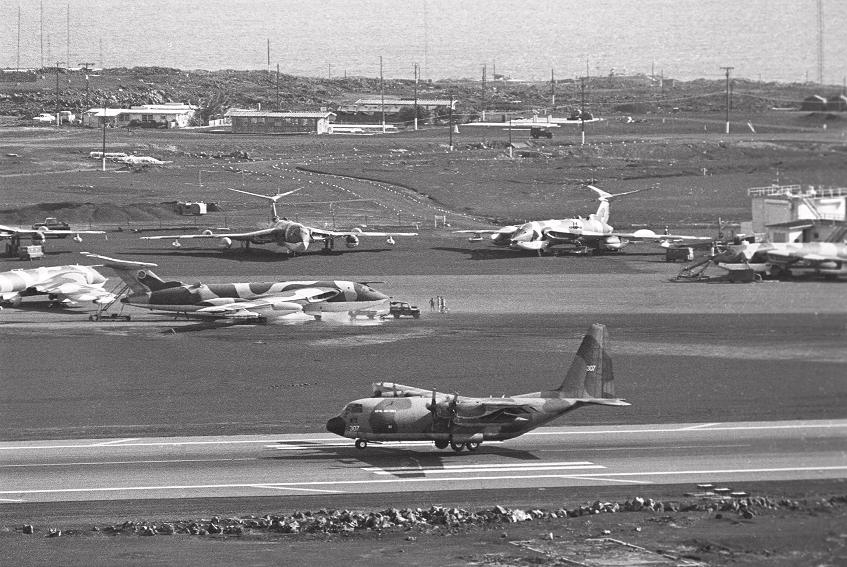
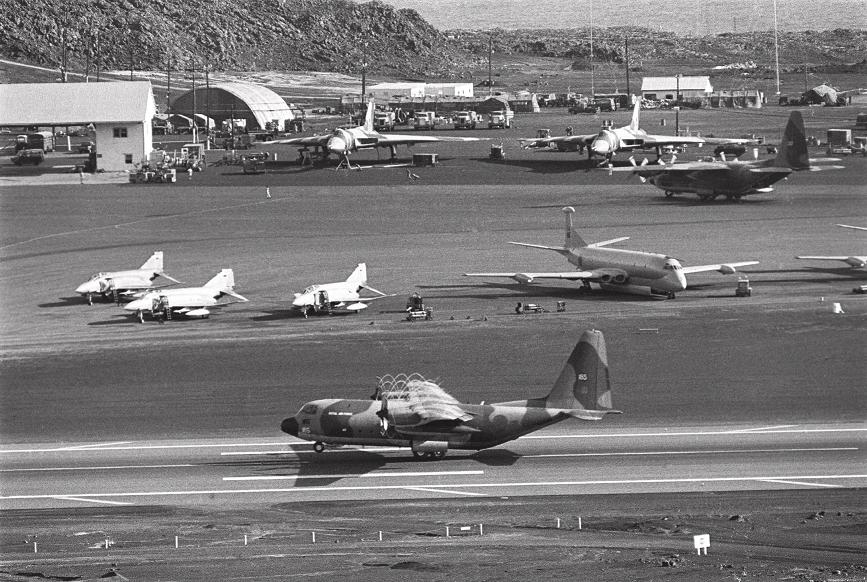
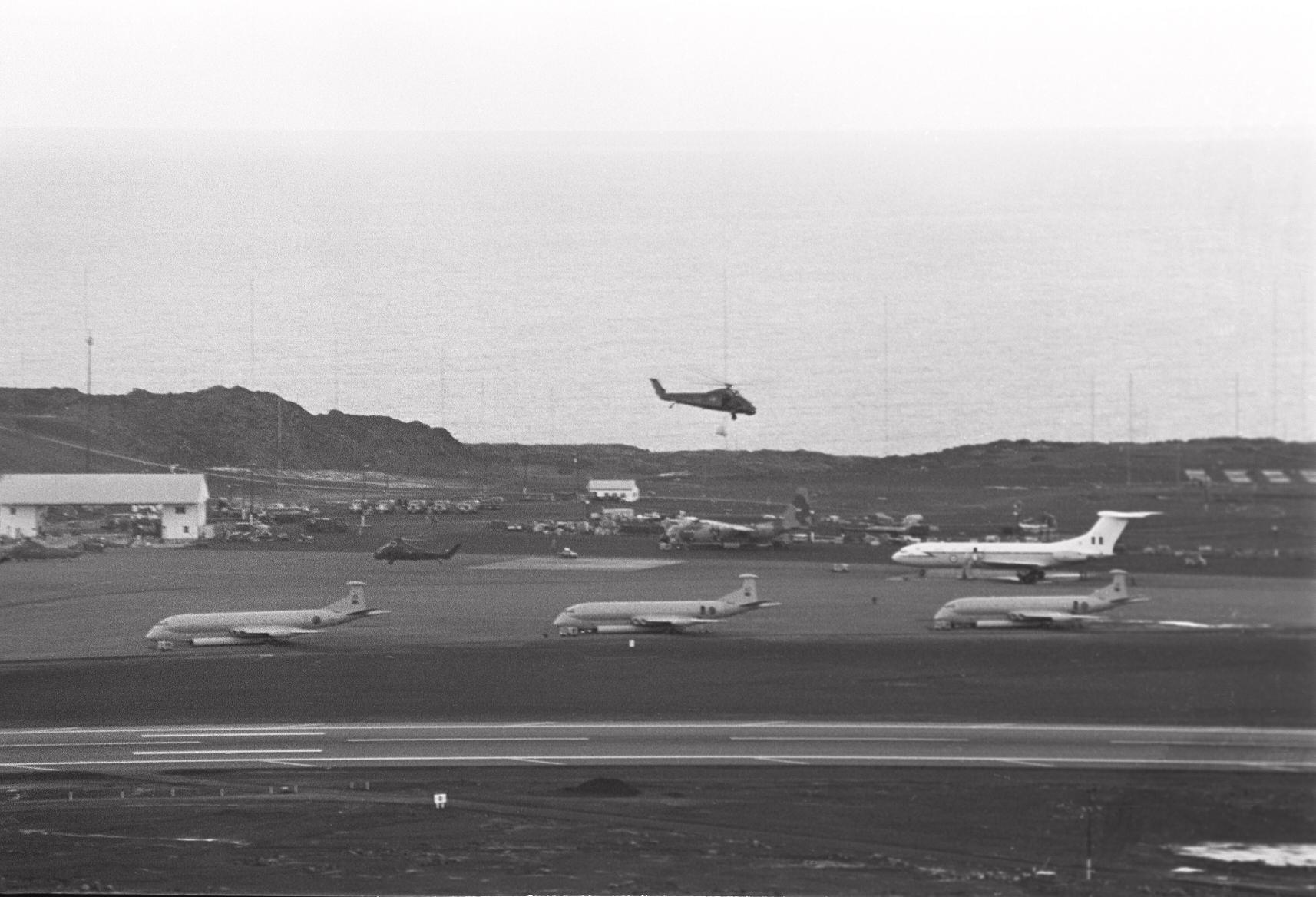
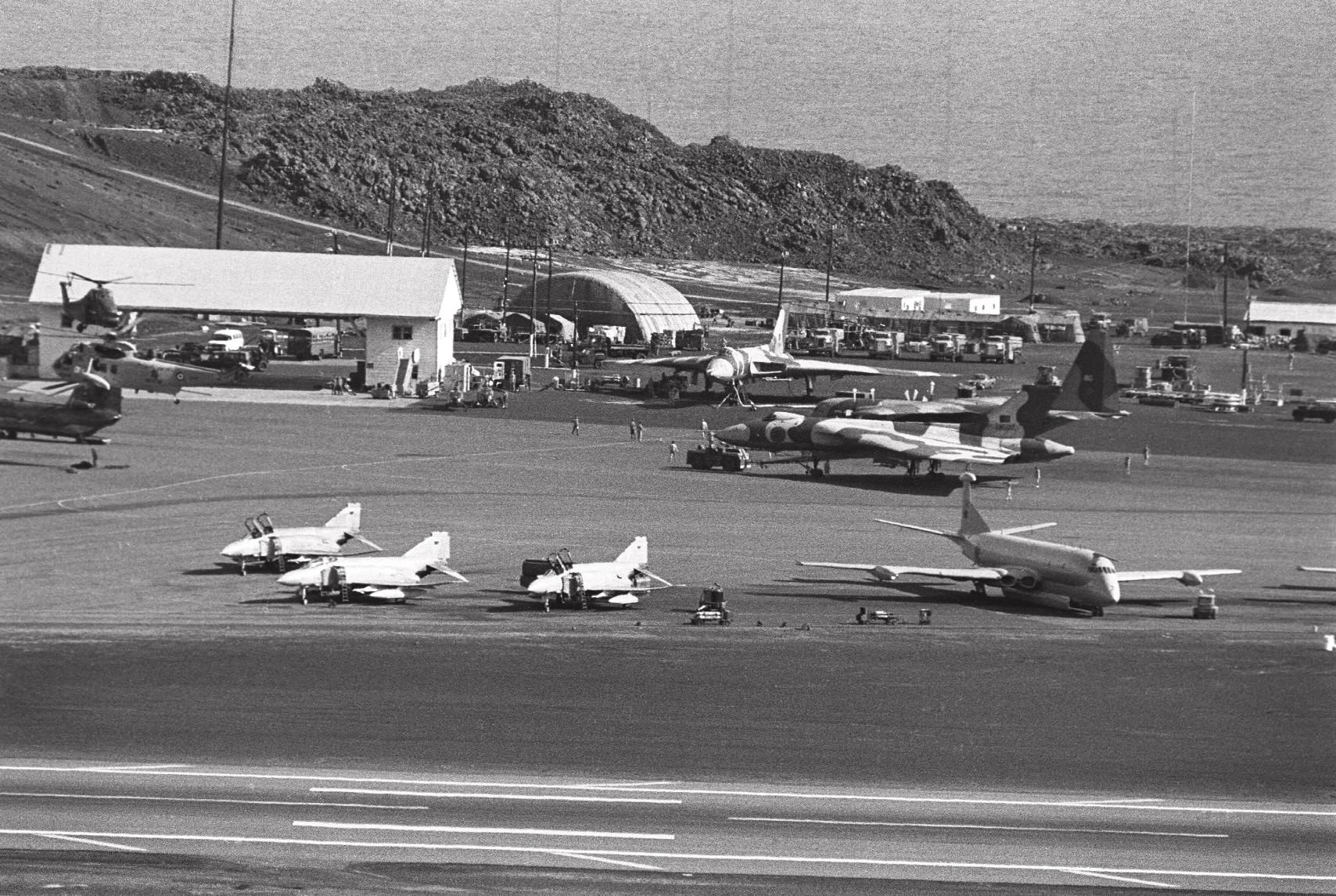
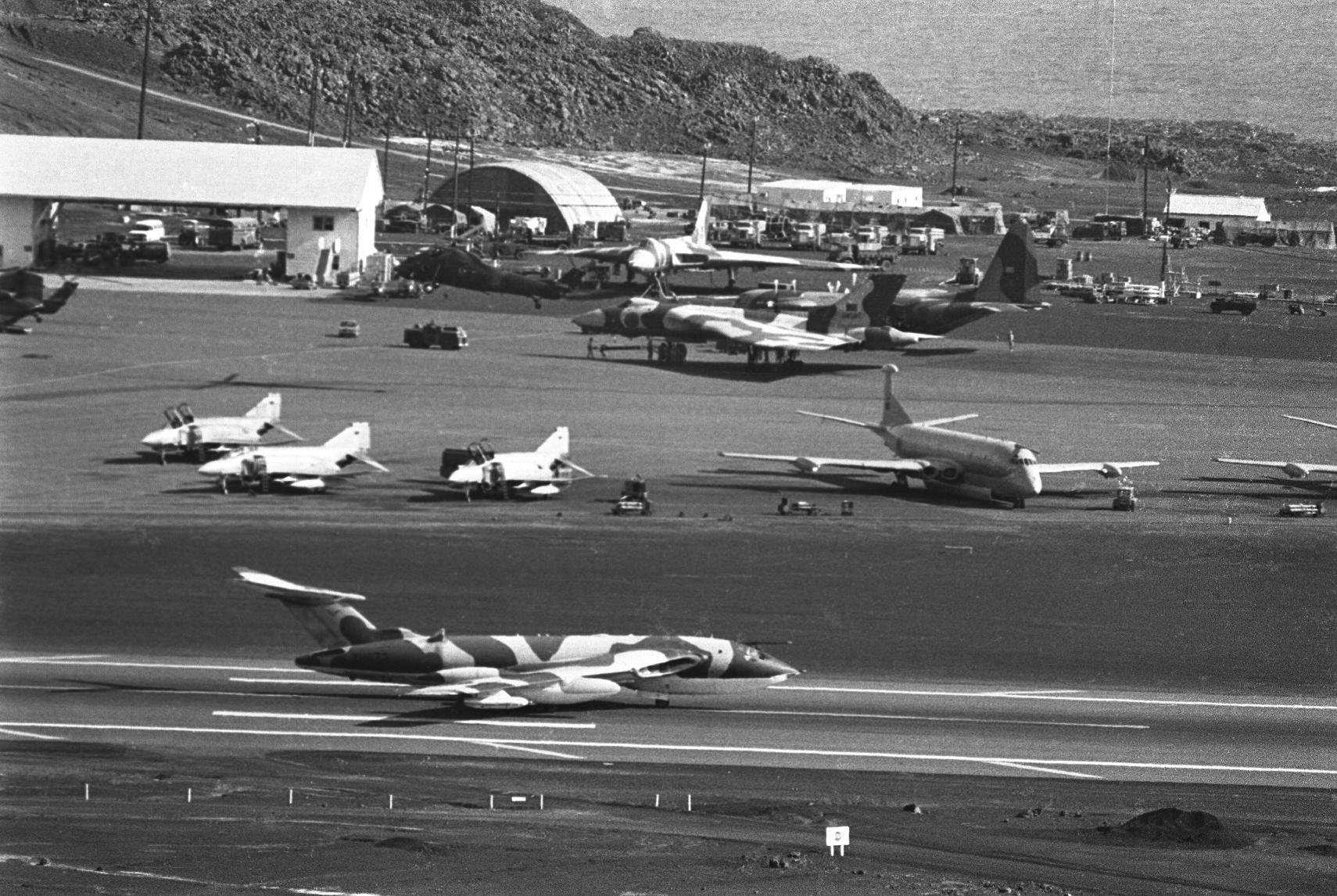
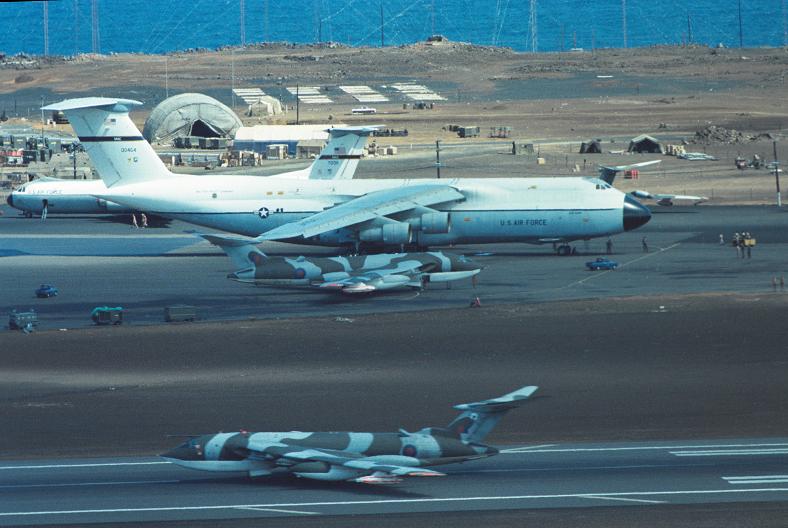
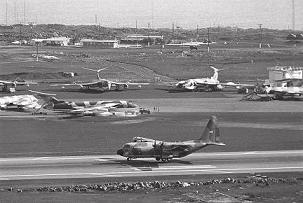
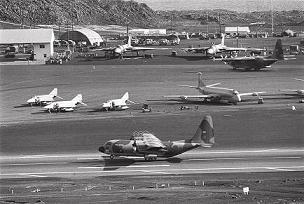
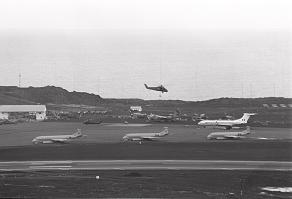
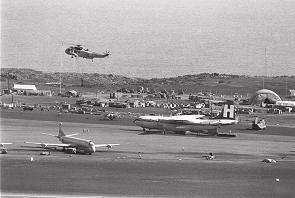
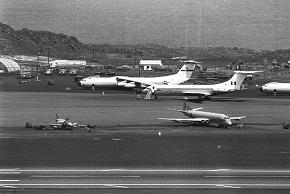
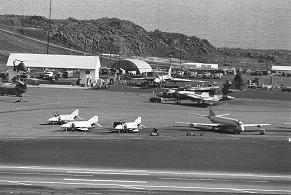
| Following
eight images show many of the aircraft types
on the airfield at any one time, as well as
C-130's and Victor's on the runway |
 |
|
 |
| 120.
C-130 (307) |
|
121.
C-130 (185) |
| |
|
|
 |
|
 |
| 122. |
|
123. |
| |
|
|
 |
|
 |
| 124. |
|
125. |
| |
|
|
 |
|
 |
| 126. |
|
127. |
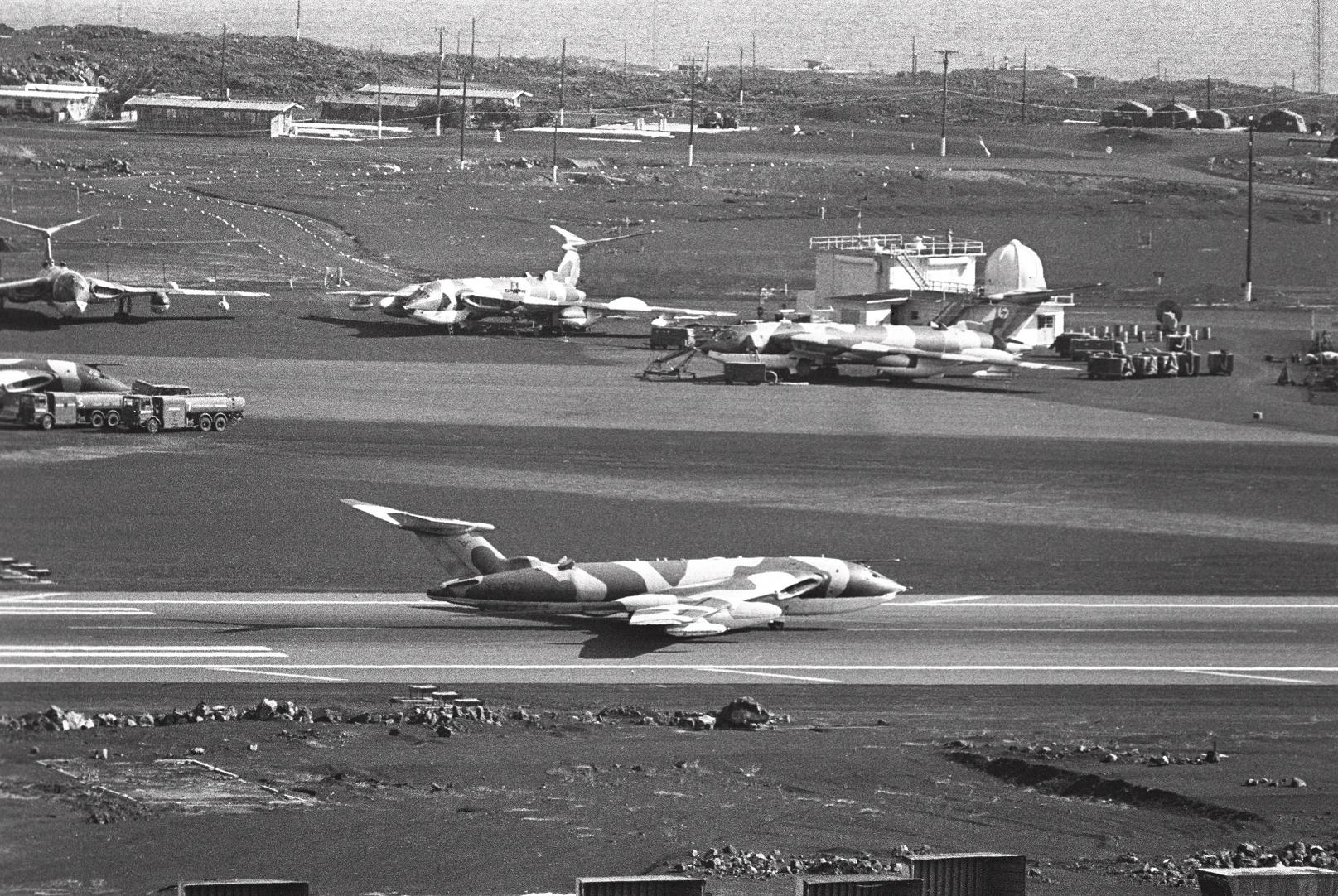
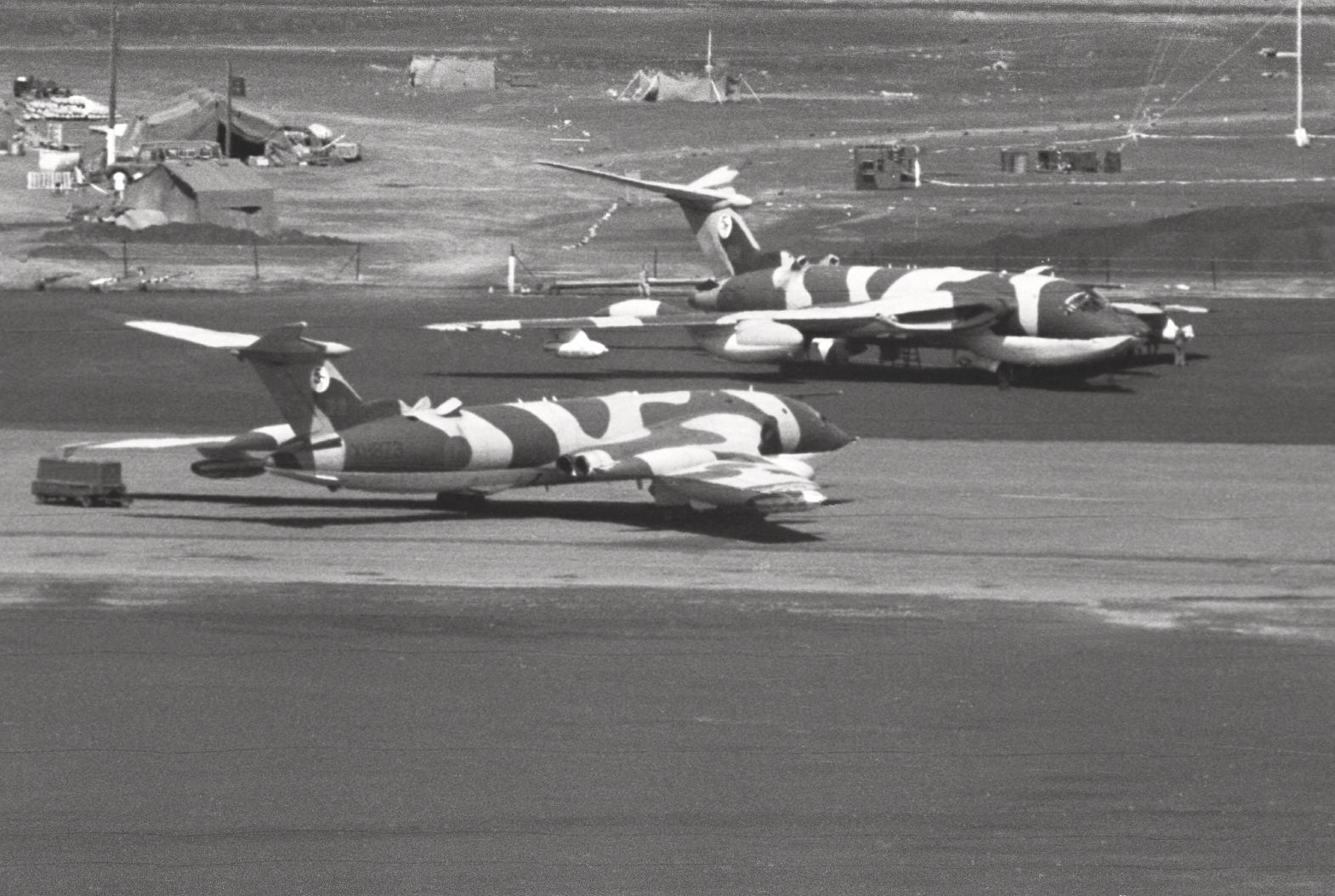
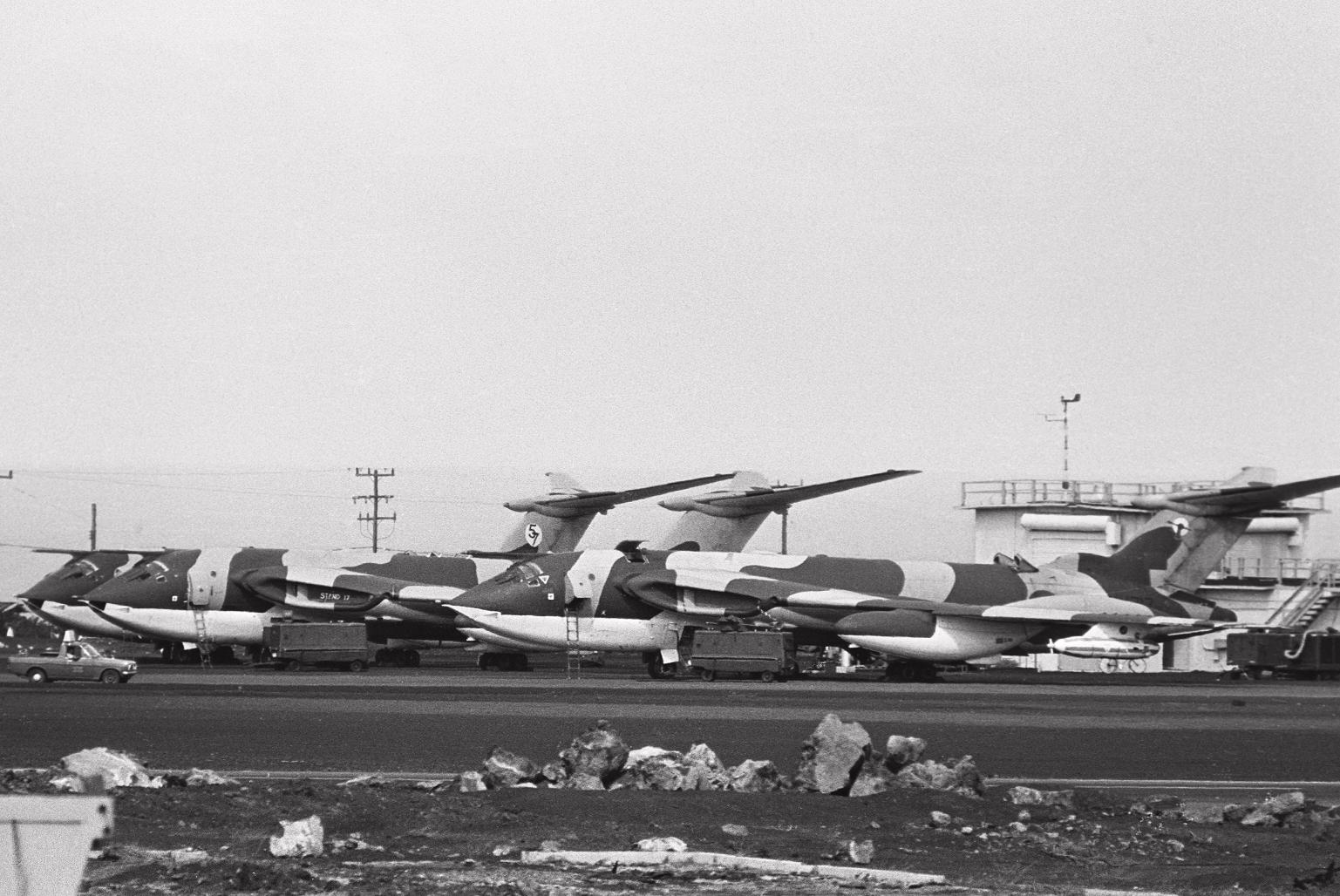
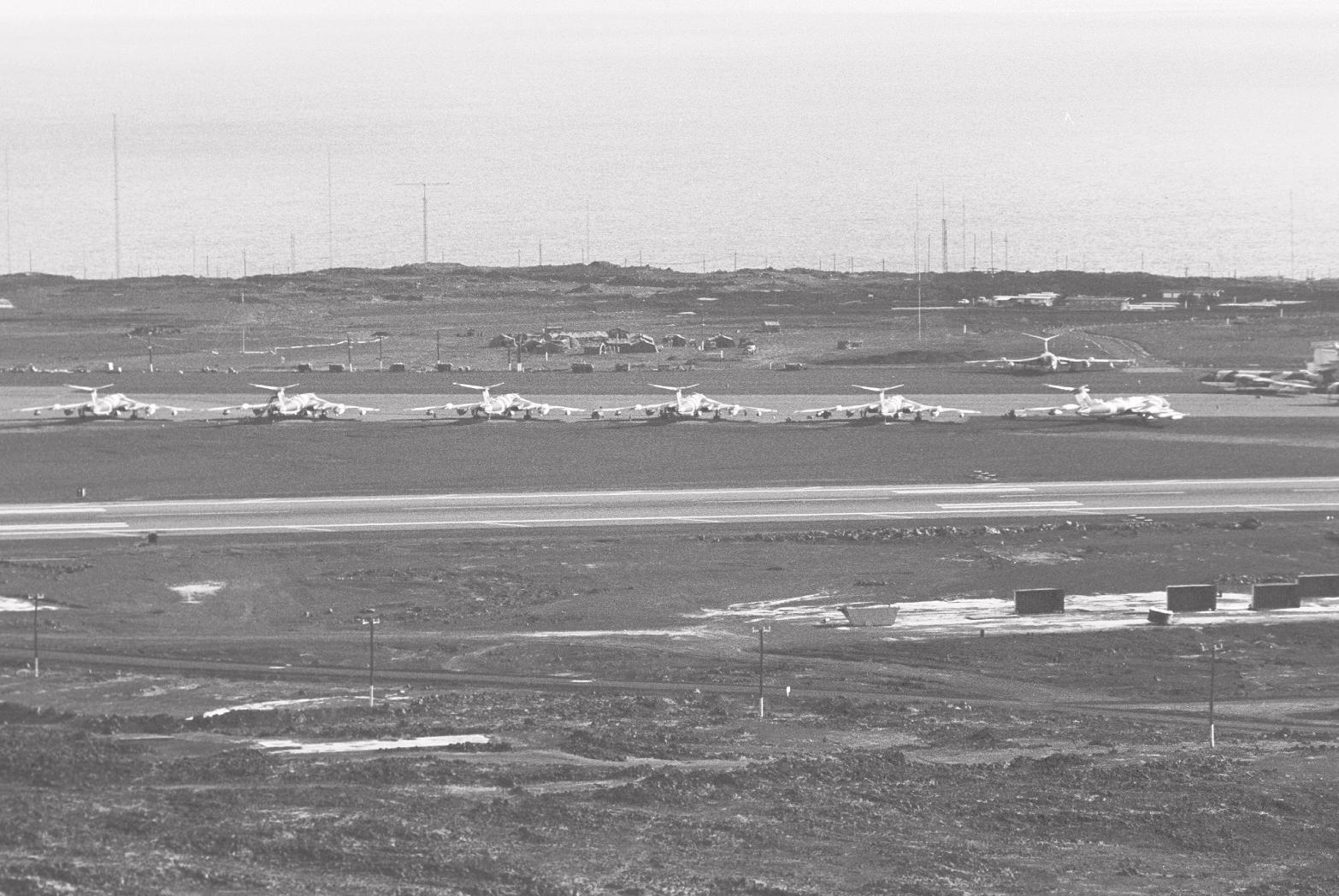
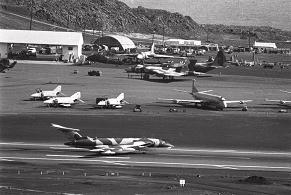
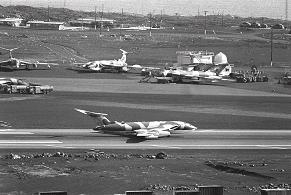
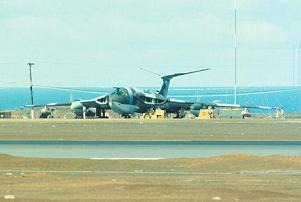
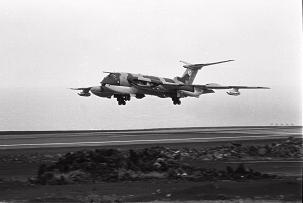
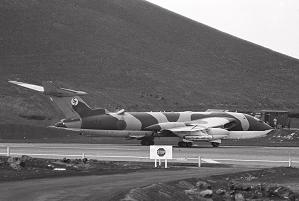
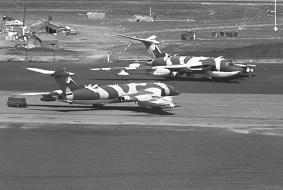
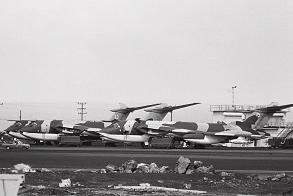
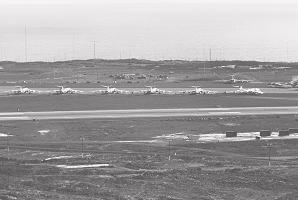
| More
images of Victor tankers follow, with a total
of eight in the sixth one |
 |
|
 |
| 128. |
|
129. |
| |
|
|
 |
|
 |
| 130. |
|
131. |
| |
|
|
 |
|
 |
| 132.
|
|
133.
|
| |
|
|
 |
|
 |
| 134. |
|
135. |
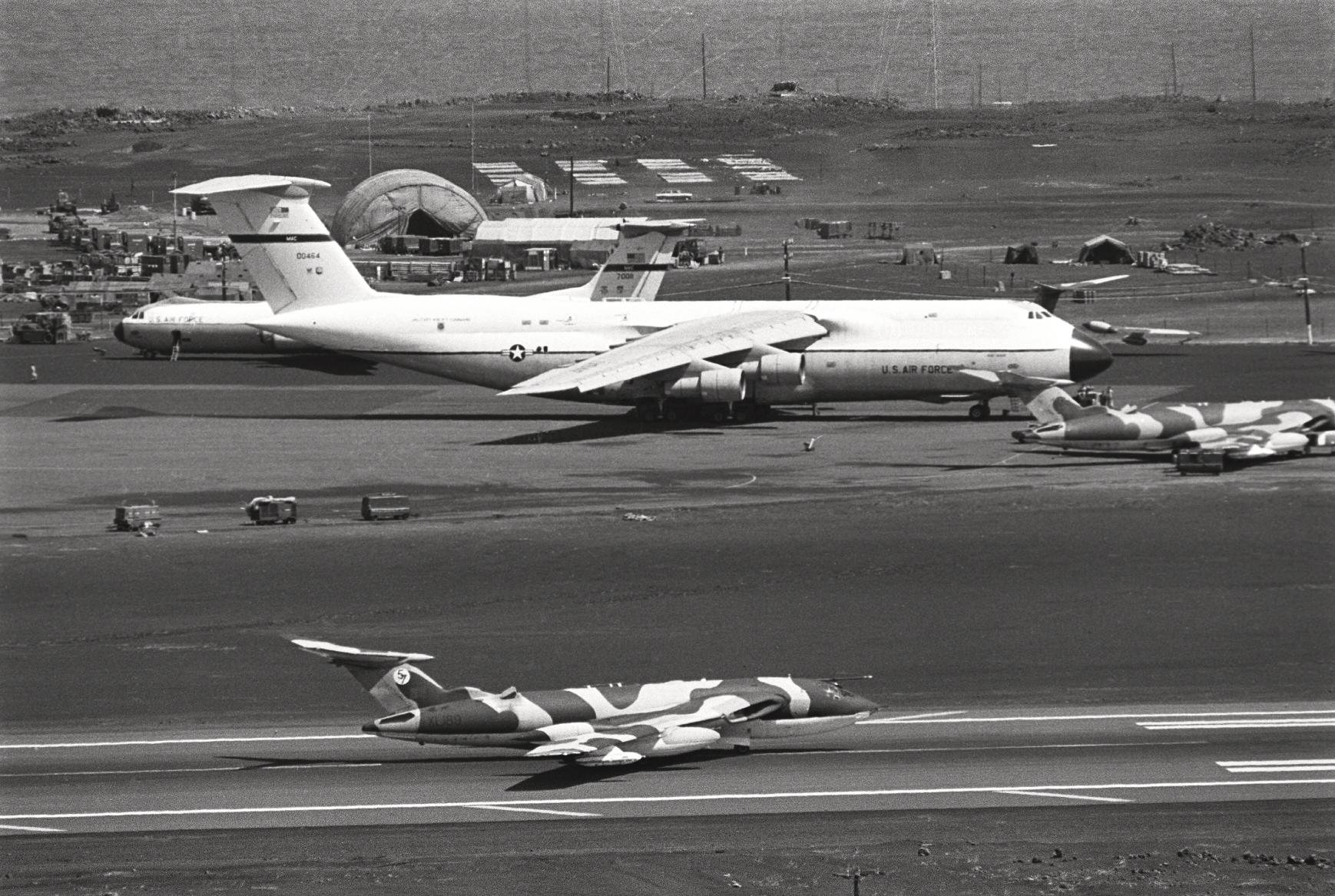
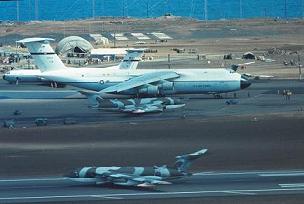
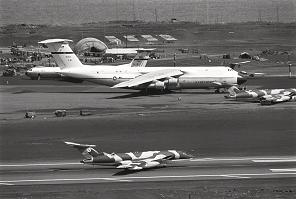
| Above
- more Victor landings with USAF C-5A's
and C-151's in parking area (also below) |
| |
|
|
 |
|
 |
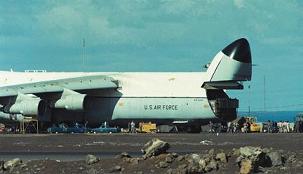
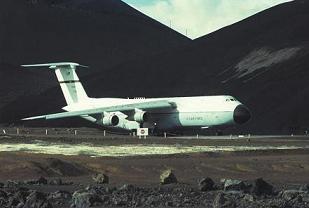
| 136.
C-5A unloading |
|
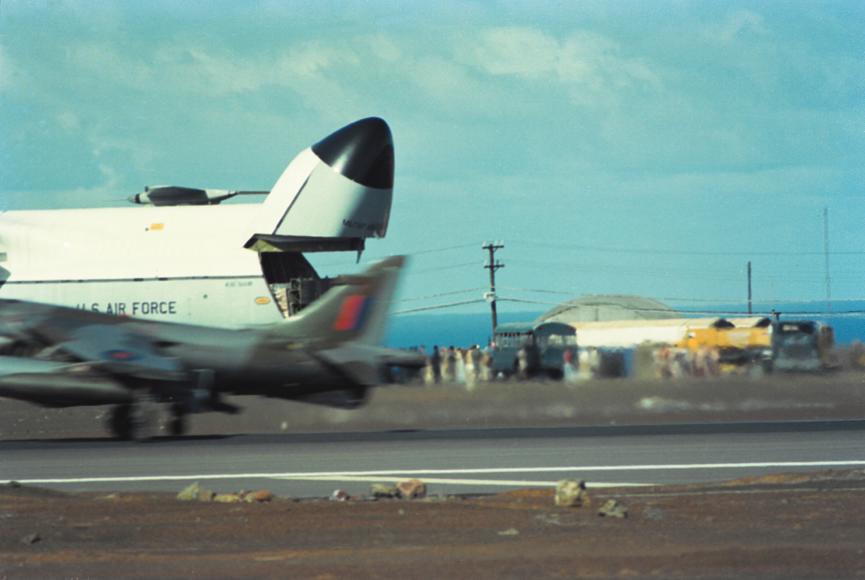
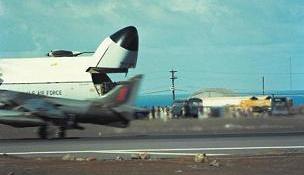
137.
C-5A with Harrier on runway |
| |
|
|
 |
|
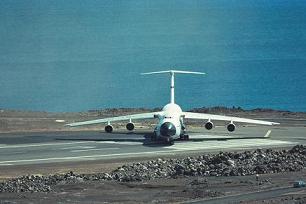 |
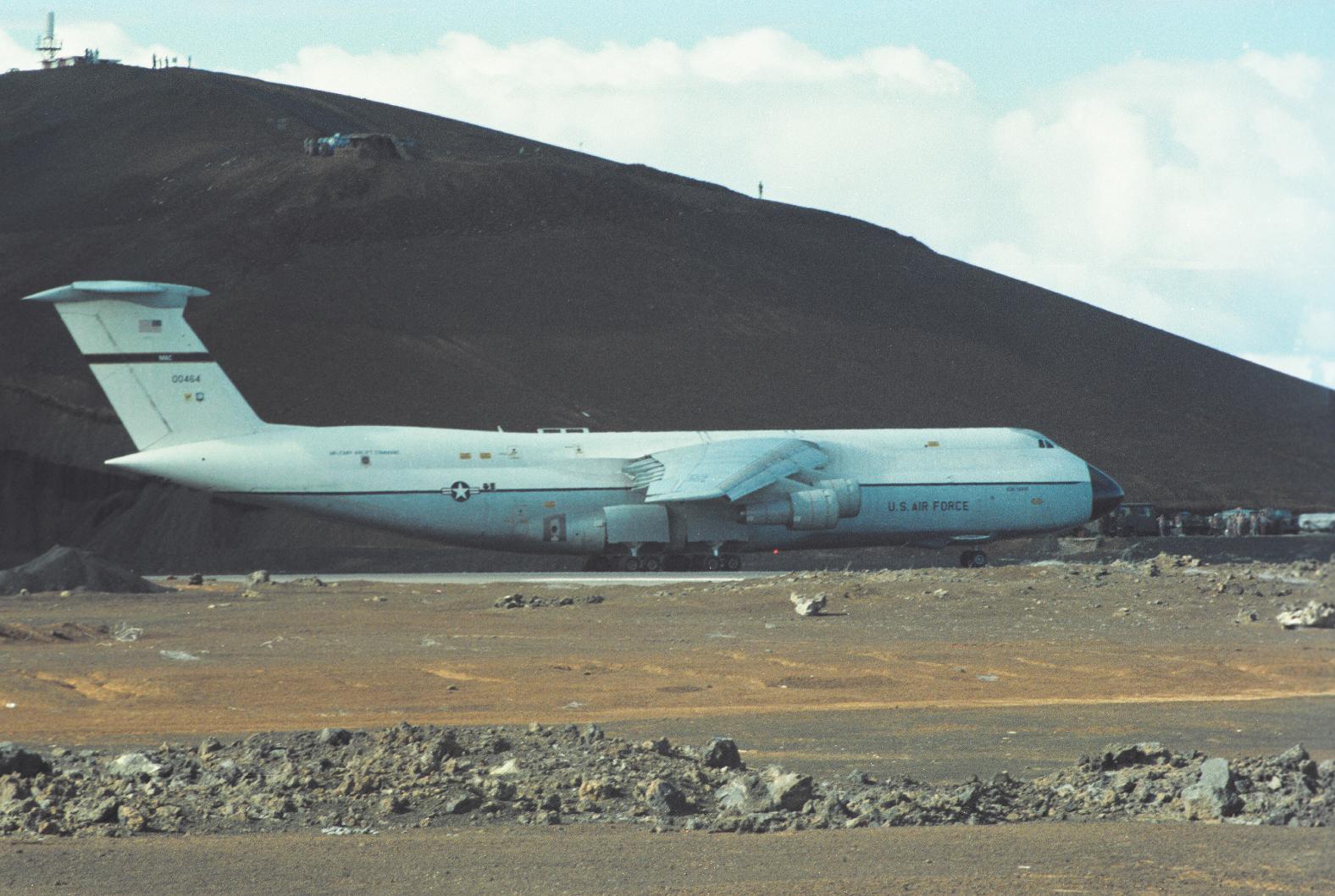
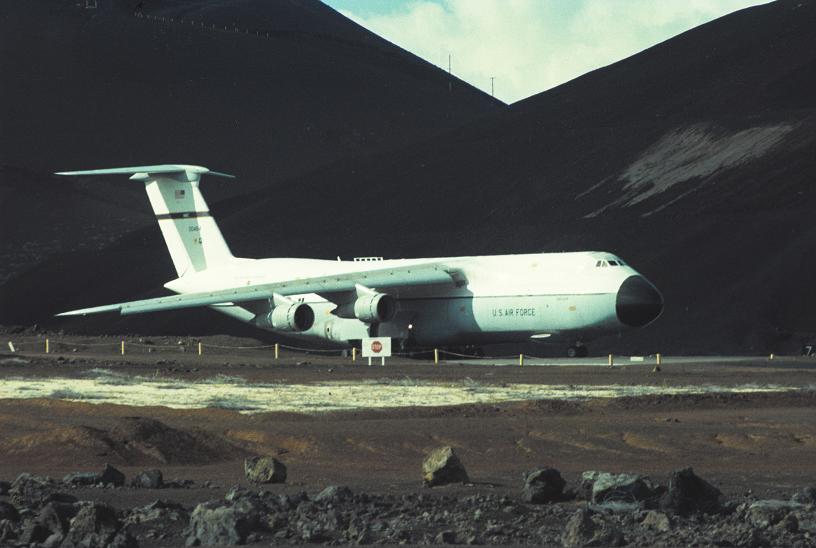
| 138.
C-5A (00464) |
|
139.
C-5A about to take off |
| |
|
|
 |
|
 |
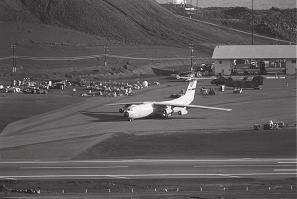
| 140.
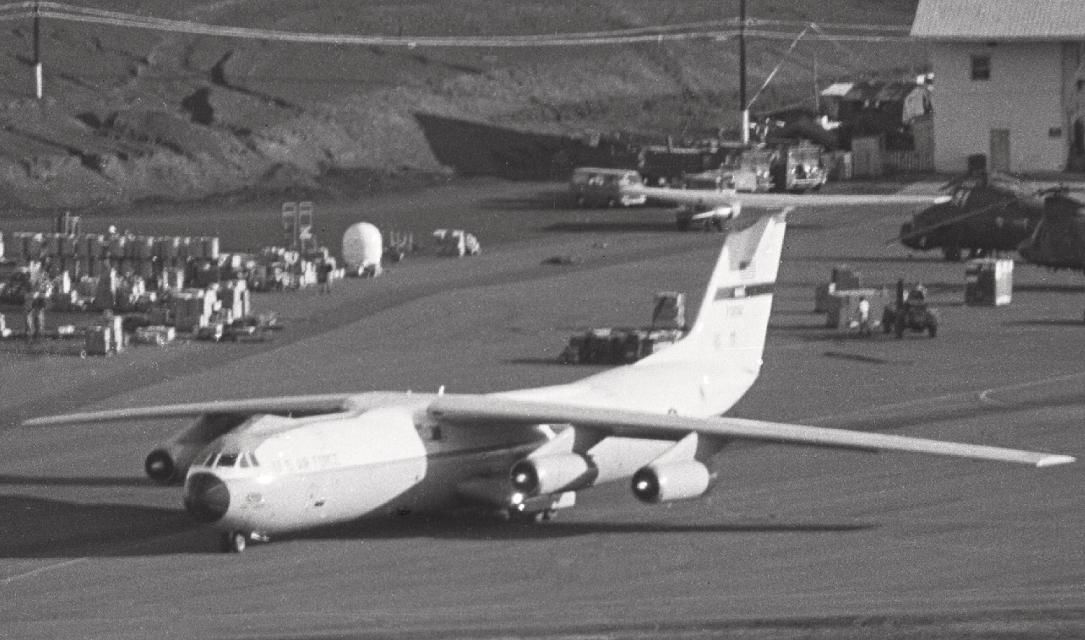
C-141 apparently taxiing |
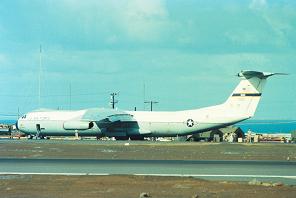
|
141.
C-141 |
| |
|
|
C-141's
to Ascension
from Richard L. "Rich" Duwe, MSgt, USAF
(Ret.) |
| |
To
Naval-History.net - My reason for
writing is because I saw there were
several pictures of a US Air Force C-141
Starlifter on the page, and I was curious
if you knew the date the picture was
taken. It's my understanding that the USAF
had a regular mission that flew to
Ascension Island twice monthly, so that
may be one of those regularly scheduled
missions. However, if the picture was
taken during the Falklands War in or
around the latter part of May, I suspect
it was the plane I flew down there during
that time.
While I am not at liberty to discuss the
purpose of our mission, I can tell you
that when we arrived at Ascension Island
there was a faulted bus tie contactor on
the #2 Main AC electrical bus. Our return
flight was delayed while waiting for a
decision on whether or not the aircraft
was flyable. A day later it was determined
that we could safely return to our home
station at McGuire AFB, NJ. As I recall,
when flew back empty, and the flight time
was 11 hours and 45 minutes--the longest
sortie I ever flew as a flight engineer.
From
Bob Shackleton - Rich is correct
with his dates, the C-141 (70011) photo
was taken on Ascension during the
Falklands crisis.
The MAC flight was our (South African
staff of the South Atlantic Cable Company)
quickest means of travelling to & from
Ascension, it flew from Patrick AFB in
Florida via Antigua in the West Indies to
ASC and then onto Johannesburg. The other
option was to fly by charter from UK to
Ascension, only 4 or 5 flights a year. The
BBC Cable & Wireless & CSO used to
change their staff by this means.
(On one flight) my children (were) on the
flightdeck during a trip back to ASC in
Nov 1978. The crew were always very
considerate and the children were allowed
to spend time on the flight deck during
the flight. We had the pleasure of doing
the JHB-ASC return trip six times in the 5
years we spent on ASC.
To
Bob Shackleton - Thanks for taking
the time to research the dates on the
C-141 pictures. I rarely carried a
camera during my time as a flight
engineer, so it's nice to go out on the
Web and relive the days of my youth
through the photos of others. I
spent twenty years in the Air Force, and
the three days I spent on Ascension Island
during the Falklands crisis were the
closest I ever came to being in an actual
war.
To the best of my knowledge, our mission
to Ascension is still classified, so I
can't go into too much detail. But I
can tell you it started out as a
presidential support mission.
Enroute to Washington,D.C. we were told
the mission had changed, and we had to
remove all the passenger seats when we
arrived. From there, we flew with an empty
cargo bay to NAS Roosevelt Roads in Puerto
Rico where picked up a load of cargo and
flew directly to Ascension Island.
Landing on a large rock in the middle of
the ocean at night is bad enough, but we
had to do it in the dark for security
reasons. The tower turned on the
runway lights when we were less than a
mile out, and then they immediately turned
them off as soon as we cleared the
runway. Even the "Follow Me" truck
was running with no lights. From
there we parked in the exact same spot
where you photographed 70011. I was
afraid we might be stuck there for a few
days with the electrical problem I
described earlier, but we were quickly
cleared to fly back to New Jersey the
following day. I wonder why?
Normally any electrical problems of that
nature would ground the aircraft.
Instead we had a quick radio conversation
with the 21st Air Force command post staff
who briefed us on what to do if we lost
the #2 engine generator, and then we were
back in the air. I suspect they didn't
want the aircraft on the ground there any
longer than necessary for political
reasons, or perhaps because it made a
rather large target!
I'm sorry to say that the entire C-141
fleet has been decommissioned and is being
scrapped at this time. Fortunately,
a former C-141 pilot has setup a website
dedicated to the Starlifter and what's
become of what was once known as the "work
horse" of the US Air Force. Feel
free to drop by if you have time.
It's located at http://www.c141heaven.com
.
As for the fate of 70011, I can only offer
you this -http://www.c141heaven.com/67/pic_67_0011.html.
Oddly enough, 70011 was one of the "Double
Zero" series of C-141s that were rumored
to be "jinxed" for some reason. This
small group of aircraft--all made in
1967--seemed to have a higher than average
number of incidents for some reason.
One aircraft--70019--was supposedly
haunted by the ghost of a crew chief who
died on board the plane during a
maintenance accident.
|
| |
| |
|
| |
|
Most
of the images of individual ships and
aircraft are low resolution, taken from
the larger originals
from
Battle
Atlas of the Falklands War 1982
The
movements of the ships and aircraft
squadrons featured in these photographs
can be traced week-by-week in the "Battle
Atlas"
19.
ASCENSION ISLAND - Stepping Stone to
Victory (concluded)
 British
Forces Support Unit Ascension Island British
Forces Support Unit Ascension Island
Responsible
for this array of activities was the Support
Unit commanded by Capt R.
McQueen (awarded CBE) RN. Involving all
three services, some 1000 men,
occasionally rising to 1500 did everything
needed to support the Task Force, work the
airfield in cooperation with the resident
Americans and defend the island against
possible attack by Argentine forces.
Summary
of Main Roles
ROYAL
AIR FORCE DEFENCES
Surrounding
area - Nimrod maritime
reconnaisance aircraft from early April.
Local
air defence - three Harrier
GR.3's of 1(F) Sqdn from early May until
relieved later in the month by three
Phantom FGR.2's of 29(F) Sqdn.
RAF-manned
mobile early warning radar on Green
Mountain.
Ground
defence - HQ Unit, No.3 Wing
and No.15 Field Sqdn, RAF Regiment.
Other
RAF Units - one 202 Sqdn Sea
King and one 18 Sqdn Chinook helicopters
for vertrep duties from early May.
Also
air movements, mobile servicing, tactical
communications and meteorological units.
ARMY
included:
Royal Corps of Signals -
established rear link Communications
Centres for the Task Force.
Royal
Engineers - constructed 3½ mile
fuel pipeline system to the airfield along
with 180,000 gallon bulk fuel storage, and
a desalination plant.
Royal
Army Ordnance Corps - operated
the pipeline system capable of delivering
up to 300,000 gallons each day.
Royal
Corps of Transport - 47 Air
Despatch Squadron prepared stores for air
dropping.
ROYAL
NAVY
Naval Party 1222 - arrived in
early April to receive men, stores,
equipment, and helicopters flown out from
Britain and to arrange for transhipment
south.
Fleet
Air Arm - maintenance personnel
prepared the arriving helicopters
No.845
NAS - one Wessex HU.5 of D Flt,
provided vertrep and crossdeck delivery
services together with the two RAF
helicopters which arrived
later.
Links
Internet
version of Ascension Island's only
newspaper, The
Islander
|