| |
|
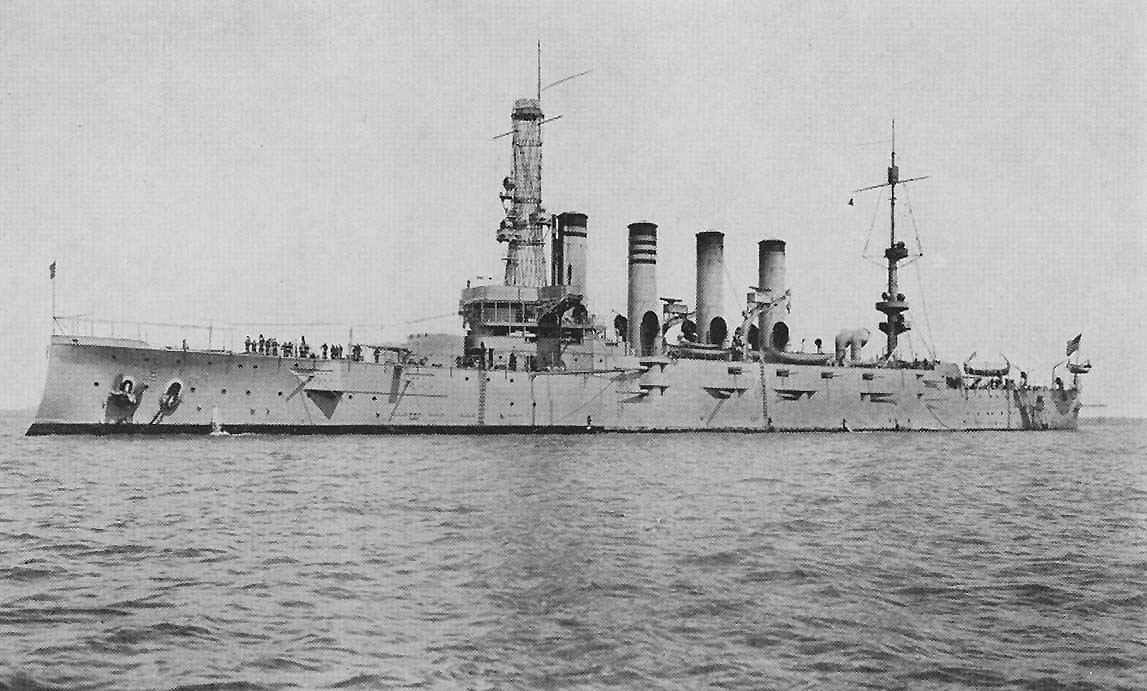
U.S.S.
San Diego
 21
January 1915 - Lieutenant
Commander ROBERT W. CARY USN. Entered
service at: Buncston, Mo. Birth:
Kansas City, Mo. Citation: For
extraordinary heroism in the line of
his profession on the occasion of an
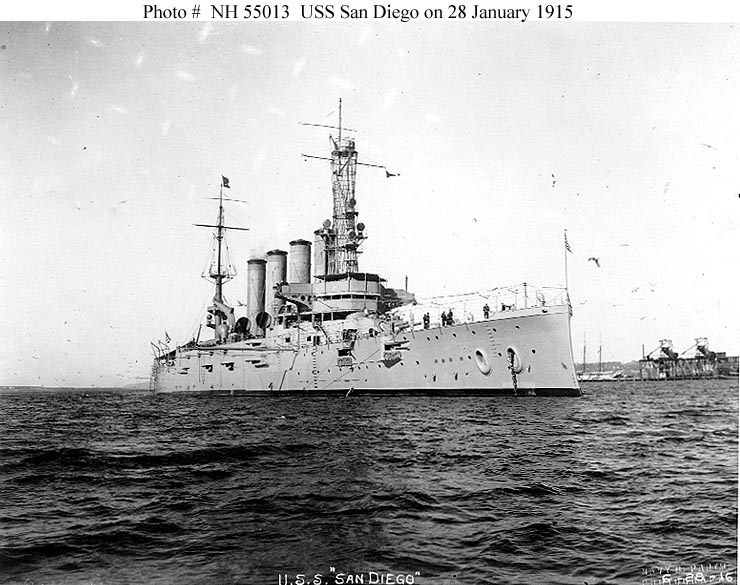
explosion on board the U.S.S.
San Diego (armoured cruiser
- above), 21 January 1915. Lt.
Comdr. Cary (then Ensign), U.S.
Navy, an observer on duty in the
firerooms of the U.S.S. San Diego,
commenced to take the half-hourly
readings of the steam pressure at
every boiler. He had read the steam
and air pressure on No. 2 boiler and
was just stepping through the
electric watertight door into No. 1
fireroom when the boilers in No. 2
fireroom exploded. Ens. Cary stopped
and held open the doors which were
being closed electrically from the
bridge, and yelled to the men in No.
2 fireroom to escape through these
doors, which 3 of them did. Ens.
Cary's action undoubtedly saved the
lives of these men. He held the
doors probably a minute with the
escaping steam from the ruptured
boilers around him. His example of
coolness did much to keep the men in
No. 1 fireroom at their posts
hauling fires, although 5 boilers in
their immediate vicinity had
exploded and boilers Nos. 1 and 3
apparently had no water in them and
were likely to explode any instant.
When these fires were hauled under
Nos. 1 and 3 boilers, Ens. Cary
directed the men in this fireroom
into the bunker, for they well knew
the danger of these 2 boilers
exploding. During the entire time
Ens. Cary was cool and collected and
showed an abundance of nerve under
the most trying circumstances. His
action on this occasion was above
and beyond the call of duty. 21
January 1915 - Lieutenant
Commander ROBERT W. CARY USN. Entered
service at: Buncston, Mo. Birth:
Kansas City, Mo. Citation: For
extraordinary heroism in the line of
his profession on the occasion of an
explosion on board the U.S.S.
San Diego (armoured cruiser
- above), 21 January 1915. Lt.
Comdr. Cary (then Ensign), U.S.
Navy, an observer on duty in the
firerooms of the U.S.S. San Diego,
commenced to take the half-hourly
readings of the steam pressure at
every boiler. He had read the steam
and air pressure on No. 2 boiler and
was just stepping through the
electric watertight door into No. 1
fireroom when the boilers in No. 2
fireroom exploded. Ens. Cary stopped
and held open the doors which were
being closed electrically from the
bridge, and yelled to the men in No.
2 fireroom to escape through these
doors, which 3 of them did. Ens.
Cary's action undoubtedly saved the
lives of these men. He held the
doors probably a minute with the
escaping steam from the ruptured
boilers around him. His example of
coolness did much to keep the men in
No. 1 fireroom at their posts
hauling fires, although 5 boilers in
their immediate vicinity had
exploded and boilers Nos. 1 and 3
apparently had no water in them and
were likely to explode any instant.
When these fires were hauled under
Nos. 1 and 3 boilers, Ens. Cary
directed the men in this fireroom
into the bunker, for they well knew
the danger of these 2 boilers
exploding. During the entire time
Ens. Cary was cool and collected and
showed an abundance of nerve under
the most trying circumstances. His
action on this occasion was above
and beyond the call of duty.
21
January 1915 - Fireman Second
Class TELESFORO TRINIDAD USN.
Born:
25 November 1890, New Washington
Capig, Philippine Islands.
Accredited to: Philippine
Islands. G.O. No.: 142, 1 April
1915. Citation: For
extraordinary heroism in the
line of his profession at the
time of the boiler explosion on
board the U.S.S.
San Diego, 21 January
1915. Trinidad was driven out of
fireroom No. 2 by the explosion,
but at once returned and picked
up R.E. Daly, fireman, second
class, whom he saw to be
injured, and proceeded to bring
him out. While coming into No. 4
fireroom, Trinidad was just in
time to catch the explosion in
No. 3 fireroom, but without
consideration for his own
safety, passed Daly on and then
assisted in rescuing another
injured man from No. 3 fireroom.
Trinidad was himself burned
about the face by the blast from
the explosion in No. 3 fireroom.
AT
SEA
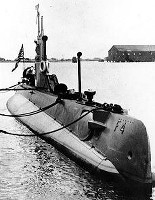
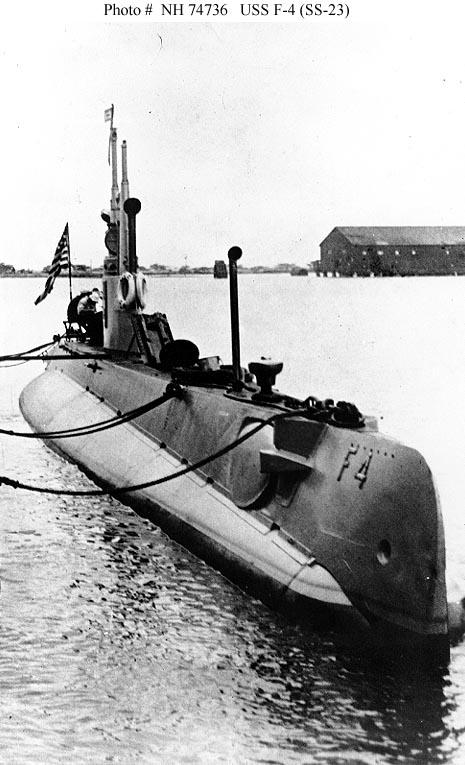
U.S.S. F.4
 25
March 1915 - Chief Gunner's Mate FRANK
WILLIAM CRILLEY USN, rescued diver off
Honolulu. Born:
13 September 1883, Trenton, N.J.
Accredited to: Pennsylvania. (19 November
1928). Citation: For display of
extraordinary heroism in the line of his
profession above and beyond the call of
duty during the diving operations in
connection with the sinking in a depth of
water 304 feet, of the
U.S.S. F.4 with all on board, as
a result of loss of depth control, which
occurred off Honolulu, T.H., on 25 March
1915. On 17 April 1915, William F.
Loughman, chief gunner's mate, U.S. Navy,
who had descended to the wreck and had
examined one of the wire hawsers attached
to it, upon starting his ascent, and when
at a depth of 250 feet beneath the surface
of the water, had his lifeline and air
hose so badly fouled by this hawser that
he was unable to free himself; he could
neither ascend nor descend. On account of
the length of time that Loughman had
already been subjected to the great
pressure due to the depth of water, and of
the uncertainty of the additional time he
would have to be subjected to this
pressure before he could be brought to the
surface, it was imperative that steps be
taken at once to clear him. Instantly,
realizing the desperate case of his
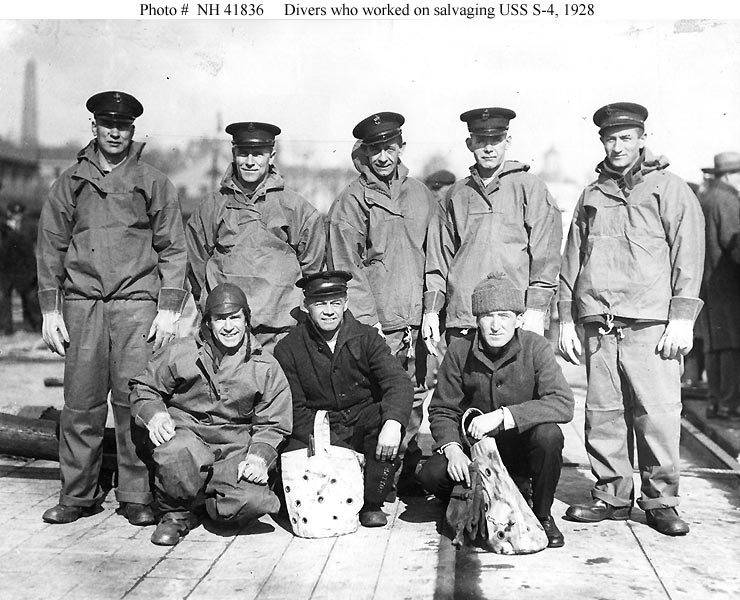
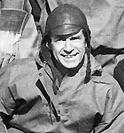
comrade, Crilley (above left in 1928)
volunteered to go to his aid,
immediately donned a diving suit and
descended. After a lapse of time of 2
hours and 11 minutes, Crilley was brought
to the surface, having by a superb
exhibition of skill, coolness, endurance
and fortitude, untangled the snarl of
lines and cleared his imperiled comrade,
so that he was brought, still alive, to
the surface. 25
March 1915 - Chief Gunner's Mate FRANK
WILLIAM CRILLEY USN, rescued diver off
Honolulu. Born:
13 September 1883, Trenton, N.J.
Accredited to: Pennsylvania. (19 November
1928). Citation: For display of
extraordinary heroism in the line of his
profession above and beyond the call of
duty during the diving operations in
connection with the sinking in a depth of
water 304 feet, of the
U.S.S. F.4 with all on board, as
a result of loss of depth control, which
occurred off Honolulu, T.H., on 25 March
1915. On 17 April 1915, William F.
Loughman, chief gunner's mate, U.S. Navy,
who had descended to the wreck and had
examined one of the wire hawsers attached
to it, upon starting his ascent, and when
at a depth of 250 feet beneath the surface
of the water, had his lifeline and air
hose so badly fouled by this hawser that
he was unable to free himself; he could
neither ascend nor descend. On account of
the length of time that Loughman had
already been subjected to the great
pressure due to the depth of water, and of
the uncertainty of the additional time he
would have to be subjected to this
pressure before he could be brought to the
surface, it was imperative that steps be
taken at once to clear him. Instantly,
realizing the desperate case of his
comrade, Crilley (above left in 1928)
volunteered to go to his aid,
immediately donned a diving suit and
descended. After a lapse of time of 2
hours and 11 minutes, Crilley was brought
to the surface, having by a superb
exhibition of skill, coolness, endurance
and fortitude, untangled the snarl of
lines and cleared his imperiled comrade,
so that he was brought, still alive, to
the surface.

U.S.S.
Decatur
9
September 1915 - Chief
Watertender EUGENE P. SMITH
USN, USS Decatur, rescue
following explosion.
Born: 8 August 1871, Truney,
Ill. Accredited to: California.
G.O. No.: 189, 8 February 1916.
Citation: Attached to U.S.S.
Decatur (destroyer - above);
for several times entering
compartments on board of Decatur
immediately following an
explosion on board that vessel,
9 September 1915, and locating
and rescuing injured shipmates.
HAITI
CAMPAIGN
24
October 1915 - First
Lieutenant EDWARD ALBERT
OSTERMANN USMC, 15th
Company of Marines
(mounted). Place and date:
Vicinity Fort Liberte,
Haiti, 24 October 1915.
Entered service at: Ohio.
Born: 1883, Columbus, Ohio.
Citation: In company with
members of the 15th Company
of Marines, all mounted, 1st
Lt. Ostermann left Fort
Liberte, Haiti, for a 6-day
reconnaissance. After dark
on the evening of 24 October
1915, while crossing the
river in a deep ravine, the
detachment was suddenly
fired upon from 3 sides by
about 400 Cacos concealed in
bushes about 100 yards from
the fort. The marine
detachment fought its way
forward to a good position,
which it maintained during
the night, although
subjected to a continuous
fire from the Cacos. At
daybreak, 1st Lt. Ostermann,
in command of 1 of the 3
squads which advanced in 3
different directions, led
his men forward, surprising
and scattering the Cacos,
and aiding in the capture of
Fort Dipitie.
24
October 1915 - Captain
WILLIAM PETERKIN UPSHUR
USMC. Born:
28 October 1881, Richmond,
Va. Appointed from:
Virginia. Citation: In
company with members of
the 15th Company of
Marines, all mounted,
Capt. Upshur left Fort
Liberte, Haiti, for a
6-day reconnaissance.
After dark on the evening
of 24 October 1915, while
crossing the river in a
deep ravine, the
detachment was suddenly
fired upon from 3 sides by
about 400 Cacos concealed
in bushes about 100 yards
from the fort. The marine
detachment fought its way
forward to a good position
which it maintained during
the night, although
subjected to a continuous
fire from the Cacos. At
daybreak, Capt. Upshur, in
command of one of the 3
squads which advanced in 3
different directions led
his men forward,
surprising and scattering
the Cacos, and aiding in
the capture of Fort
Dipitie.
24
October 1915 - Gunnery
Sergeant DANIEL JOSEPH
DALY USMC
(Second Award). Born:
Glen Cove, Long Island,
N.Y., 11 November 1873.
Accredited to: New York.
Other Navy awards:
Second Medal of Honor,
Navy Cross. Citation:
Serving with the 15th
Company of Marines on 22
October 1915, G/Sgt.
Daly was one of the
company to leave Fort
Liberte, Haiti, for a
6-day reconnaissance.
After dark on the
evening of 24 October,
while crossing the river
in a deep ravine, the
detachment was suddenly
fired upon from 3 sides
by about 400 Cacos
concealed in bushes
about 100 yards from the
fort. The marine
detachment fought its
way forward to a good
position, which it
maintained during the
night, although
subjected to a
continuous fire from the
Cacos. At daybreak the
marines, in 3 squads,
advanced in 3 different
directions, surprising
and scattering the Cacos
in all directions.
G/Sgt. Daly fought with
exceptional gallantry
against heavy odds
throughout this action.
17
November 1915 -
Major SMEDLEY
DARLINGTON BUTLER
USMC (Second
Award). Born: 30 July
1881, West Chester,
Pa. Appointed from:
Pennsylvania. Other
Navy awards: Second
Medal of Honor,
Distinguished Service
Medal. Citation: As
Commanding Officer of
detachments from the
5th, 13th, 23d
Companies and the
marine and sailor
detachment from the
U.S.S. Connecticut,
Maj. Butler led the
attack on Fort
Riviere, Haiti, 17
November 1915.
Following a
concentrated drive,
several different
detachments of marines
gradually closed in on
the old French bastion
fort in an effort to
cut off all avenues of
retreat for the Caco
bandits. Reaching the
fort on the southern
side where there was a
small opening in the
wall, Maj. Butler gave
the signal to attack
and marines from the
15th Company poured
through the breach,
engaged the Cacos in
hand-to-hand combat,
took the bastion and
crushed the Caco
resistance. Throughout
this perilous action,
Maj. Butler was
conspicuous for his
bravery and forceful
leadership.
17
November 1915 -
Private SAMUEL GROSS
USMC,
23d Company. (Real
name is Samuel
Marguiles) Born: 9
May 1891,
Philadelphia, Pa.
Accredited to:
Pennsylvania.
Citation: In company
with members of the
5th, 13th, 23d
Companies and the
marine and sailor
detachment from the
U.S.S. Connecticut,
Gross participated
in the attack on
Fort Riviere, Haiti,
17 November 1915.
Following a
concentrated drive,
several different
detachments of
marines gradually
closed in on the old
French bastion fort
in an effort to cut
off all avenues of
retreat for the Caco
bandits. Approaching
a breach in the wall
which was the only
entrance to the
fort, Gross was the
second man to pass
through the breach
in the face of
constant fire from
the Cacos and,
thereafter, for a
10-minute period,
engaged the enemy in
desperate
hand-to-hand combat
until the bastion
was captured and
Caco resistance
neutralized.
17
November 1915 -
Sergeant ROSS
LINDSEY IAMS
USMC,
5th Company. Born:
5 May 1879,
Graysville, Pa.
Accredited to:
Pennsylvania.
Citation: In
company with
members of the
5th, 13th, 23d
Companies and
marine and sailor
detachment from
the U.S.S.
Connecticut, Sgt.
Iams participated
in the attack on
Fort Riviere,
Haiti, 17 November
1915. Following a
concentrated
drive, several
different
detachments of
marines gradually
closed in on the
old French bastion
fort in an effort
to cut off all
avenues of retreat
for the Caco
bandits.
Approaching a
breach in the wall
which was the only
entrance to the
fort, Sgt. Iams
unhesitatingly
jumped through the
breach despite
constant fire from
the Cacos and
engaged the enemy
in a desperate
hand-to-hand
combat until the
bastion was
captured and Caco
resistance
neutralized.
1
9 1 6
AT
SEA

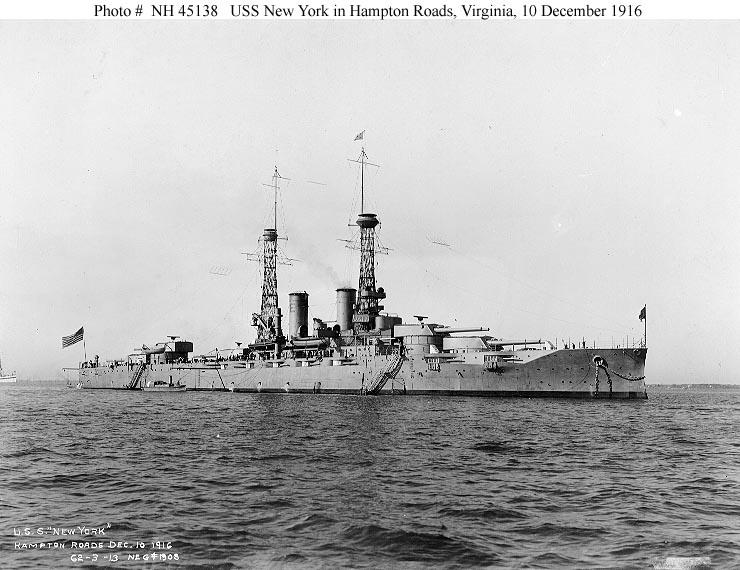
U.S.S.
New York
24
January 1916 -
Gunner's Mate
First Class
WILHELM SMITH
USN, USS New
York, rescue
from
gas-filled
compartment.
Born: 10 April
1870, Germany.
Accredited to:
New York. G.O.
No.: 202, 6
April 1916.
Citation: On
board the
U.S.S. New
York
(dreadnought
battleship - above),
for entering a
compartment
filled with
gases and
rescuing a
shipmate.
DOMINICAN
CAMPAIGN
3
July 1916 -
Corporal
JOSEPH ANTHONY
GLOWIN USMC.
Born: 14 March
1892, Detroit,
Mich.
Accredited to:
Michigan. G.O.
NO.: 244, 30
October 1916.
Citation:
During an
engagement at
Guayacanas on
3 July 1916,
Cpl. Glowin
participated
in action
against a
considerable
force of
rebels on the
line of march.
3
July 1916 - First Sergeant ROSWELL
WINANS USMC. Later
Brigadier General. Place and date:
Guayacanas, Dominican Republic, 3 July
1916. Entered service at: Washington.
Born. 9 December 1887, Brookville,
Ind. G.O. No.: 244, 30 October 1916.
Citation: During an engagement at
Guavacanas on 3 July 1916, 1st Sgt.
Winans participated in action against
a considerable force of rebels on the
line of march. During a running fight
of 1,200 yards, our forces reached the
enemy entrenchments and Cpl. Joseph A.
Gowin, U.S.M.C., placed the machine
gun, of which he had charge, behind a
large log across the road and
immediately opened fire on the
trenches. He was struck once but
continued firing his gun, but a moment
later he was again struck and had to
be dragged out of the position into
cover. 1st Sgt. Winans, U.S.M.C., then
arrived with a Colt's gun which he
placed in a most exposed position,
coolly opened fire on the trenches and
when the gun jammed, stood up and
repaired it under fire. All the time
Glowin and Winans were handling their
guns they were exposed to a very heavy
fire which was striking into the logs
and around the men, 7 men being
wounded and 1 killed within 20 feet.
1st Sgt. Winans continued flring his
gun until the enemy had abandoned the
trenches.
AT
SEA

U.S.S.
Memphis
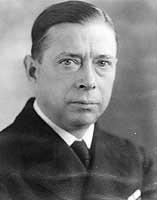 29
August 1916 - Commander CLAUD
ASHTON JONES USN.
Born: 7 October 1885, Fire
Creek, W.Va. Accredited to: West
Virginia. (1 August 1932.)
Citation: For extraordinary
heroism in the line of his
profession as a senior engineer
officer on board the
U.S.S. Memphis
(armoured cruiser, ex-Tennessee
- above), at a time when
the vessel was suffering total
destruction from a hurricane
while anchored off Santo Domingo
City, 29 August 1916. Lt. Jones
(left - as Captain) did
everything possible to get the
engines and boilers ready, and
if the elements that burst upon
the vessel had delayed for a few
minutes, the engines would have
saved the vessel. With boilers
and steampipes bursting about
him in clouds of scalding steam,
with thousands of tons of water
coming down upon him and in
almost complete darkness, Lt.
Jones nobly remained at his post
as long as the engines would
turn over, exhibiting the most
supreme unselfish heroism which
inspired the officers and men
who were with him. When the
boilers exploded, Lt. Jones,
accompanied by 2 of his
shipmates, rushed into the
firerooms and drove the men
there out, dragging some,
carrying others to the
engineroom, where there was air
to be breathed instead of steam.
Lt. Jones' action on this
occasion was above and beyond
the call of duty. 29
August 1916 - Commander CLAUD
ASHTON JONES USN.
Born: 7 October 1885, Fire
Creek, W.Va. Accredited to: West
Virginia. (1 August 1932.)
Citation: For extraordinary
heroism in the line of his
profession as a senior engineer
officer on board the
U.S.S. Memphis
(armoured cruiser, ex-Tennessee
- above), at a time when
the vessel was suffering total
destruction from a hurricane
while anchored off Santo Domingo
City, 29 August 1916. Lt. Jones
(left - as Captain) did
everything possible to get the
engines and boilers ready, and
if the elements that burst upon
the vessel had delayed for a few
minutes, the engines would have
saved the vessel. With boilers
and steampipes bursting about
him in clouds of scalding steam,
with thousands of tons of water
coming down upon him and in
almost complete darkness, Lt.
Jones nobly remained at his post
as long as the engines would
turn over, exhibiting the most
supreme unselfish heroism which
inspired the officers and men
who were with him. When the
boilers exploded, Lt. Jones,
accompanied by 2 of his
shipmates, rushed into the
firerooms and drove the men
there out, dragging some,
carrying others to the
engineroom, where there was air
to be breathed instead of steam.
Lt. Jones' action on this
occasion was above and beyond
the call of duty.
29
August 1916 - Chief
Machinist's Mate GEORGE
WILLIAM RUD USN (posthumous).
Born: 7 October 1883,
Minneapolis, Minn. Accredited
to: Minnesota. (1 August
1932.) Citation: For
extraordinary heroism in the
line of his profession while
attached to the U.S.S.
Memphis, at a time
when that vessel was suffered
total destruction from a
hurricane while anchored off
Santo Domingo City, 29 August
1916. C.M.M. Rud took his
station in the engineroom and
remained at his post amidst
scalding steam and the rushing
of thousands of tons of water
into his department, receiving
serious burns from which he
immediately died.
29
August 1916 - Machinist
CHARLES H. WILLEY USN.
Place and date: Off Santo
Domingo City, Santo Domingo,
29 August 1916. Entered
service at: Massachusetts.
Born: 31 March 1889, East
Boston, Mass. G.O. No.: 1
August 1932. Citation: For
extraordinary heroism in the
line of his profession while
serving on board the
U.S.S. Memphis, at
a time when that vessel was
suffering total destruction
from a hurricane while
anchored off Santo Domingo
City, 29 August 1916.
Machinist Willey took his
station in the engineer's
department and remained at
his post of duty amidst
scalding steam and the rush
of thousands of tons of
water into his department as
long as the engines would
turn, leaving only when
ordered to leave. When the
boilers exploded, he
assisted in getting the men
out of the fireroom and
carrying them into the
engineroom, where there was
air instead of steam to
breathe. Machinist Willey's
conduct on this occasion was
above and beyond the call of
duty.
DOMINICAN
CAMPAIGN
29
November 1916 -
First Lieutenant
ERNEST CALVIN WILLIAMS
USMC. Born:
2 August 1887,
Broadwell, Ill.
Accredited to: Illinois.
G.O. No.: 289, 27 April
1917. Other Navy award:
Navy Cross. Citation: In
action against hostile
forces at San Francisco
de Macoris, Dominican
Republic, 29 November
1916. With only a dozen
men available, 1st Lt.
Williams rushed the gate
of the fortress. With 8
of his party wounded by
rifle fire of the
defenders, he pressed on
with the 4 remaining
men, threw himself
against the door just as
it was being closed by
the Dominicans and
forced an entry. Despite
a narrow escape from
death at the hands of a
rifleman, he and his men
disposed of the guards
and within a few minutes
had gained control of
the fort and the hundred
prisoners confined
there.
1
9 1 7
AT
SEA

U.S.S.
Pittsburg
23
July 1917 -
Commander WILLIS
WINTER BRADLEY Jr
USN.
Born: 28 June
1884, Ransomville,
N.Y. Appointed
from: North
Dakota. Citation:
For extraordinary
heroism and
devotion to duty
while serving on
the U.S.S.
Pittsburgh
(armoured cruiser
- above),
at the time of an
accidental
explosion of
ammunition on that
vessel. On 23 July
1917, some
saluting cartridge
cases were being
reloaded in the
after casemate:
through an
accident an
explosion
occurred. Comdr.
Bradley (then
Lieutenant), who
was about to enter
the casemate, was
blown back by the
explosion and
rendered
momentarily
unconscious, but
while still dazed,
crawled into the
casemate to
extinguish burning
materials in
dangerous
proximity to a
considerable
amount of powder,
thus preventing
further
explosions.
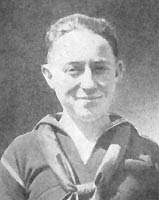 23
July 1917 -
Seaman ORA
GRAVES USN.
Born: 26 July
1896, Los
Animas, Colo.
Accredited to:
Nebraska. G.O.
No.: 366, 1918.
Citation: For
extraordinary
heroism on 23
July 1917, while
the
U.S.S.
Pittsburgh was
proceeding to
Buenos Aires,
Argentina. A
3-inch saluting
charge exploded,
causing the
death of C. T.
Lyles, seaman.
Upon the
explosion,
Graves (left)
was blown to the
deck, but soon
recovered and
discovered
burning waste on
the deck. He put
out the burning
waste while the
casemate was
filled with
clouds of smoke,
knowing that
there was more
powder there
which might
explode. 23
July 1917 -
Seaman ORA
GRAVES USN.
Born: 26 July
1896, Los
Animas, Colo.
Accredited to:
Nebraska. G.O.
No.: 366, 1918.
Citation: For
extraordinary
heroism on 23
July 1917, while
the
U.S.S.
Pittsburgh was
proceeding to
Buenos Aires,
Argentina. A
3-inch saluting
charge exploded,
causing the
death of C. T.
Lyles, seaman.
Upon the
explosion,
Graves (left)
was blown to the
deck, but soon
recovered and
discovered
burning waste on
the deck. He put
out the burning
waste while the
casemate was
filled with
clouds of smoke,
knowing that
there was more
powder there
which might
explode.
AT
SEA
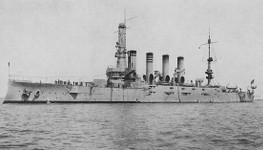
U.S.S.
Huntington
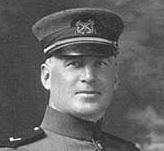 17
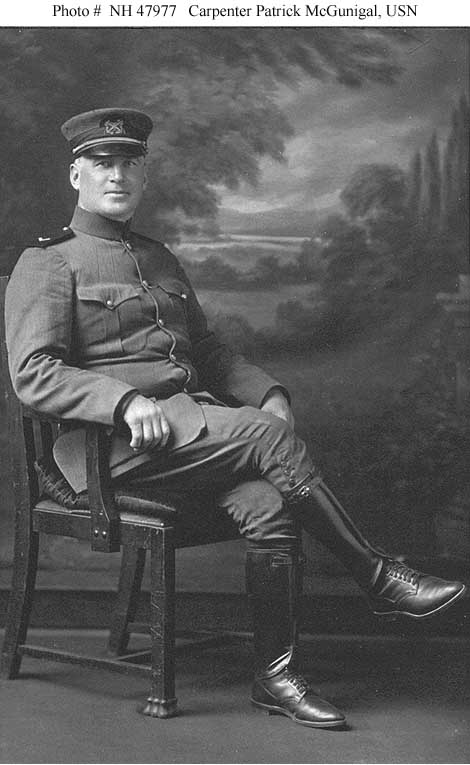
September 1917 - Shipfitter
First Class PATRICK McGUNIGAL USN,
USS Huntington, kite balloon
rescue.
Born: 30 May 1876, Hubbard, Ohio.
Accredited to: Ohio. G.O. No.:
341, 1917. Citation: For
extraordinary heroism while
attached to the Huntington. On the
morning of 17 September 1917,
while the U.S.S.
Huntington (armoured
cruiser) was passing through the
war zone, a kite balloon was sent
up with Lt. (j.g.) H. W. Hoyt,
U.S. Navy, as observer. When
the balloon was about 400 feet in
the air, the temperature suddenly
dropped, causing the balloon to
descend about 200 feet, when it
was struck by a squall. The
balloon was hauled to the ship's
side, but the basket trailed in
the water and the pilot was
submerged. McGunigal (above
left), with great daring,
climbed down the side of the ship,
jumped to the ropes leading to the
basket, and cleared the tangle
enough to get the pilot out of
them. He then helped the pilot to
get clear, put a bowline around
him, and enabled him to be hauled
to the deck. A bowline was lowered
to McGunigal and he was taken
safely aboard. 17
September 1917 - Shipfitter
First Class PATRICK McGUNIGAL USN,
USS Huntington, kite balloon
rescue.
Born: 30 May 1876, Hubbard, Ohio.
Accredited to: Ohio. G.O. No.:
341, 1917. Citation: For
extraordinary heroism while
attached to the Huntington. On the
morning of 17 September 1917,
while the U.S.S.
Huntington (armoured
cruiser) was passing through the
war zone, a kite balloon was sent
up with Lt. (j.g.) H. W. Hoyt,
U.S. Navy, as observer. When
the balloon was about 400 feet in
the air, the temperature suddenly
dropped, causing the balloon to
descend about 200 feet, when it
was struck by a squall. The
balloon was hauled to the ship's
side, but the basket trailed in
the water and the pilot was
submerged. McGunigal (above
left), with great daring,
climbed down the side of the ship,
jumped to the ropes leading to the
basket, and cleared the tangle
enough to get the pilot out of
them. He then helped the pilot to
get clear, put a bowline around
him, and enabled him to be hauled
to the deck. A bowline was lowered
to McGunigal and he was taken
safely aboard.
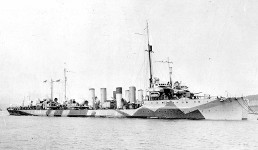
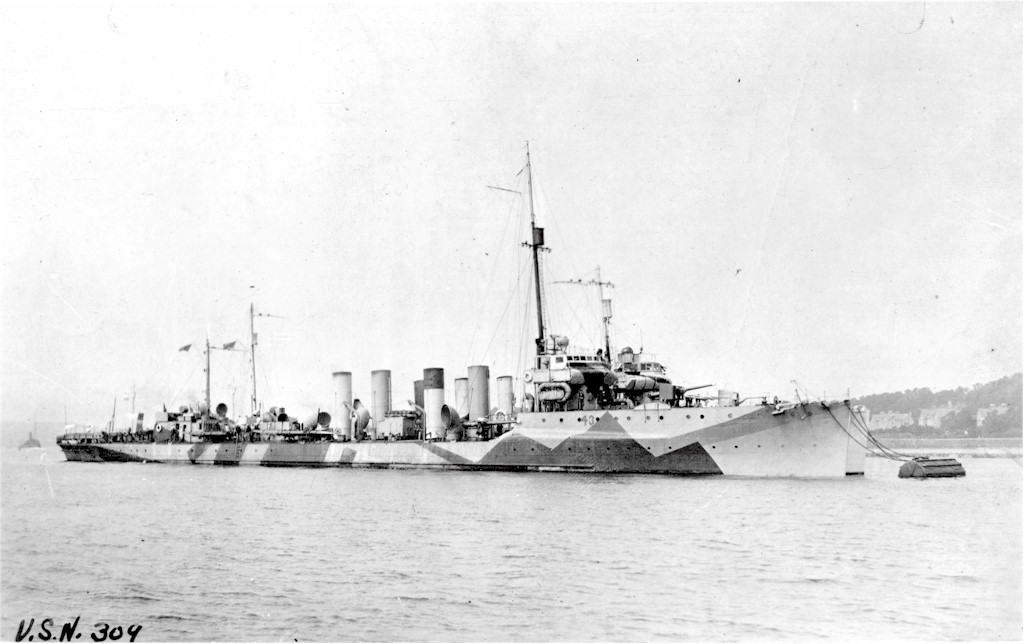
U.S.S. Cassin
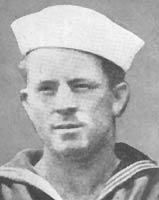 15
October 1917 - Gunner's Mate
First Class OSMOND K. INGRAM
USN, USS Cassin, torpedoed
(posthumous).
Born: 4 August 1887, Alabama.
Accredited to. Alabama. Citation:
For extraordinary heroism in the
presence of the enemy on the
occasion of the torpedoing of the
U.S.S.
Cassin (destroyer), on 15
October 1917. While the Cassin was
searching for the submarine,
Ingram (left) sighted the
torpedo coming, and realizing that
it might strike the ship aft in
the vicinity of the depth charges,
ran aft with the intention of
releasing the depth charges before
the torpedo could reach the
Cassin. The torpedo struck the
ship before he could accomplish
his purpose and Ingram was killed
by the explosion. The depth
charges exploded immediately
afterward. His life was sacrificed
in an attempt to save the ship and
his shipmates, as the damage to
the ship would have been much less
if he had been able to release the
depth charges. 15
October 1917 - Gunner's Mate
First Class OSMOND K. INGRAM
USN, USS Cassin, torpedoed
(posthumous).
Born: 4 August 1887, Alabama.
Accredited to. Alabama. Citation:
For extraordinary heroism in the
presence of the enemy on the
occasion of the torpedoing of the
U.S.S.
Cassin (destroyer), on 15
October 1917. While the Cassin was
searching for the submarine,
Ingram (left) sighted the
torpedo coming, and realizing that
it might strike the ship aft in
the vicinity of the depth charges,
ran aft with the intention of
releasing the depth charges before
the torpedo could reach the
Cassin. The torpedo struck the
ship before he could accomplish
his purpose and Ingram was killed
by the explosion. The depth
charges exploded immediately
afterward. His life was sacrificed
in an attempt to save the ship and
his shipmates, as the damage to
the ship would have been much less
if he had been able to release the
depth charges.
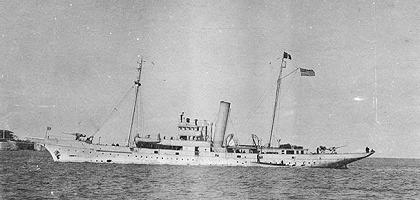
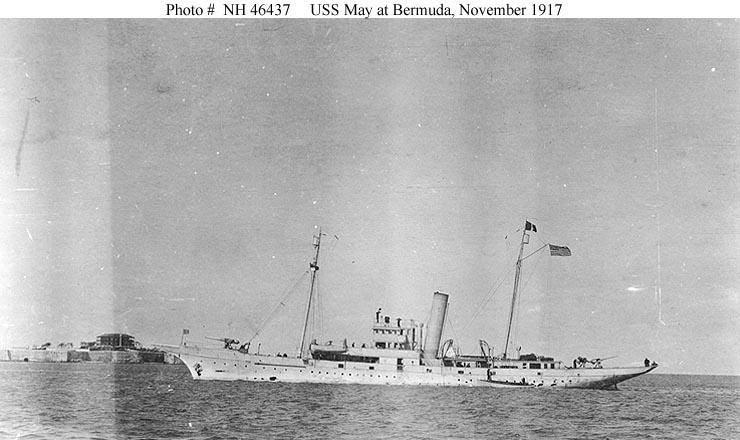
U.S.S.
May
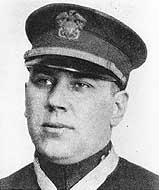 5
November 1917 - Seaman TEDFORD
H. CANN USN, USS May, flooding
ship.
Born: 3 September 1897,
Bridgeport, Conn. Accredited to:
New York. G.O. No.: 366, 1918.
Citation: For courageous conduct
while serving on board the
U.S.S. May (patrol
yacht - above), 5
November 1917. Cann (left as
Ensign) found a leak in a
flooded compartment and closed
it at the peril of his life,
thereby unquestionably saving
the ship. 5
November 1917 - Seaman TEDFORD
H. CANN USN, USS May, flooding
ship.
Born: 3 September 1897,
Bridgeport, Conn. Accredited to:
New York. G.O. No.: 366, 1918.
Citation: For courageous conduct
while serving on board the
U.S.S. May (patrol
yacht - above), 5
November 1917. Cann (left as
Ensign) found a leak in a
flooded compartment and closed
it at the peril of his life,
thereby unquestionably saving
the ship.
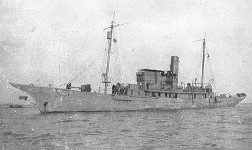
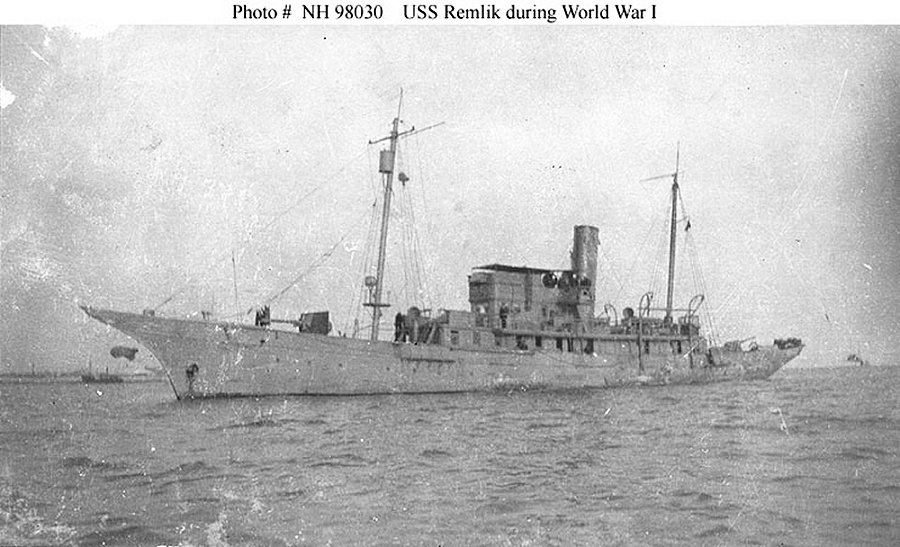
U.S.S.
Remlik
17
December 1917 - Chief Boatswain's
Mate JOHN MacKENZlE USN, USS
Remlik, depth charge incident.
Born: 7 July 1886, Bridgeport, Conn.
Accredited to: Massachusetts. G.O.
No.: 391, 1918. Citation: For
extraordinary heroism while serving
on board the U.S.S.
Remlik (patrol yacht), on
the morning of 17 December 1917,
when the Remlik encountered a heavy
gale. During this gale, there was a
heavy sea running. The depth charge
box on the taffrail aft, containing
a Sperry depth charge, was washed
overboard, the depth charge itself
falling inboard and remaining on
deck. MacKenzie, on his own
initiative, went aft and sat down on
the depth charge, as it was
impracticable to carry it to safety
until the ship was headed up into
the sea. In acting as he did,
MacKenzie exposed his life and
prevented a serious accident to the
ship and probable loss of the ship
and the entire crew.
1
9 1 8
AT
SEA
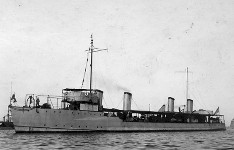
U.S.S.
Stewart
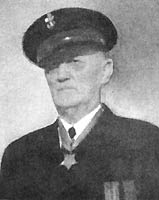 17
April 1918 - Ship's Cook Third
Class JESSE WHITFIELD COVINGTON
USN. Entered
service
at: California. Born: 16
September 1889, Haywood, Tenn.
G.O. No.: 403, 1918. Citation:
For extraordinary heroism
following internal explosion of
the Florence H. The sea in the
vicinity of wreckage was covered
by a mass of boxes of smokeless
powder, which were repeatedly
exploding. Jesse W. Covington (left),
of the U.S.S.
Stewart (destroyer),
plunged overboard to rescue a
survivor who was surrounded by
powder boxes and too exhausted
to help himself, fully realizing
that similar powder boxes in the
vicinity were continually
exploding and that he was
thereby risking his life in
saving the life of this man.. 17
April 1918 - Ship's Cook Third
Class JESSE WHITFIELD COVINGTON
USN. Entered
service
at: California. Born: 16
September 1889, Haywood, Tenn.
G.O. No.: 403, 1918. Citation:
For extraordinary heroism
following internal explosion of
the Florence H. The sea in the
vicinity of wreckage was covered
by a mass of boxes of smokeless
powder, which were repeatedly
exploding. Jesse W. Covington (left),
of the U.S.S.
Stewart (destroyer),
plunged overboard to rescue a
survivor who was surrounded by
powder boxes and too exhausted
to help himself, fully realizing
that similar powder boxes in the
vicinity were continually
exploding and that he was
thereby risking his life in
saving the life of this man..
17
April 1918 - Quartermaster
FRANK MONROE UPTON USN.
Born: 29 April 1896, Loveland,
Colo. Accredited to: Colorado.
G.O. No.: 403, 1918. Citation:
For extraordinary heroism
following internal explosion
of the Florence H, on 17 April
1918. The sea in the vicinity
of wreckage was covered by a
mass of boxes of smokeless
powder, which were repeatedly
exploding. Frank M. Upton, of
the U.S.S.
Stewart, plunged
overboard to rescue a survivor
who was surrounded by powder
boxes and too exhausted to
help himself. Fully realizing
the danger from continual
explosion of similar powder
boxes in the vicinity, he
risked his life to save the
life of this man.
FRENCH
FRONT
see
US Marine Corps in the World
War
23
April 1918 - Lieutenant
Commander (Dental Corps)
ALEXANDER GORDON LYLE USN.
Born: 12 November 1889,
Gloucester, Mass.
Appointed from:
Massachusetts. Other
Navy award: Legion of
Merit. Citation: For
extraordinary heroism and
devotion to duty while
serving with the 5th
Regiment, U.S. Marine
Corps. Under heavy
shellfire, on 23 April
1918, on the French Front,
Lt. Comdr. Lyle rushed to
the assistance of Cpl.
Thomas Regan, who was
seriously wounded, and
administered such
effective surgical aid
while bombardment was
still continuing, as to
save the life of Cpl.
Regan.
AT
SEA
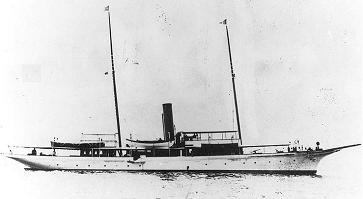
U.S.S.
Cristabel
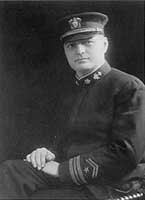 21
May 1918 - Ensign
DANIEL AUGUSTUS JOSEPH
SULLIVAN US Naval
Reserve Force, USS
Cristabel, depth
charge incident.
Born: 31 July 1884,
Charleston, S.C.
Appointed from: South
Carolina. Citation:
For extraordinary
heroism as an officer
of the U.S.S.
Cristabel (patrol
yacht - above)
in conflict with an
enemy submarine on 21
May 1918. As a result
of the explosion of a
depth bomb dropped
near the submarine,
the Christabel was so
badly shaken that a
number of depth
charges which had been
set for firing were
thrown about the deck
and there was imminent
danger that they would
explode. Ens. Sullivan
(left as Lieutenant
Commander) immediately
fell on the depth
charges and succeeded
in securing them, thus
saving the ship from
disaster, which would
inevitably have caused
great loss of life. 21
May 1918 - Ensign
DANIEL AUGUSTUS JOSEPH
SULLIVAN US Naval
Reserve Force, USS
Cristabel, depth
charge incident.
Born: 31 July 1884,
Charleston, S.C.
Appointed from: South
Carolina. Citation:
For extraordinary
heroism as an officer
of the U.S.S.
Cristabel (patrol
yacht - above)
in conflict with an
enemy submarine on 21
May 1918. As a result
of the explosion of a
depth bomb dropped
near the submarine,
the Christabel was so
badly shaken that a
number of depth
charges which had been
set for firing were
thrown about the deck
and there was imminent
danger that they would
explode. Ens. Sullivan
(left as Lieutenant
Commander) immediately
fell on the depth
charges and succeeded
in securing them, thus
saving the ship from
disaster, which would
inevitably have caused
great loss of life.
CAPTURED
AT SEA
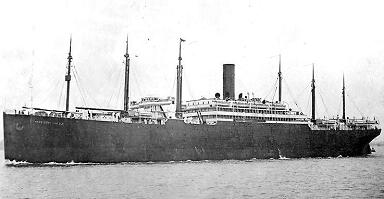
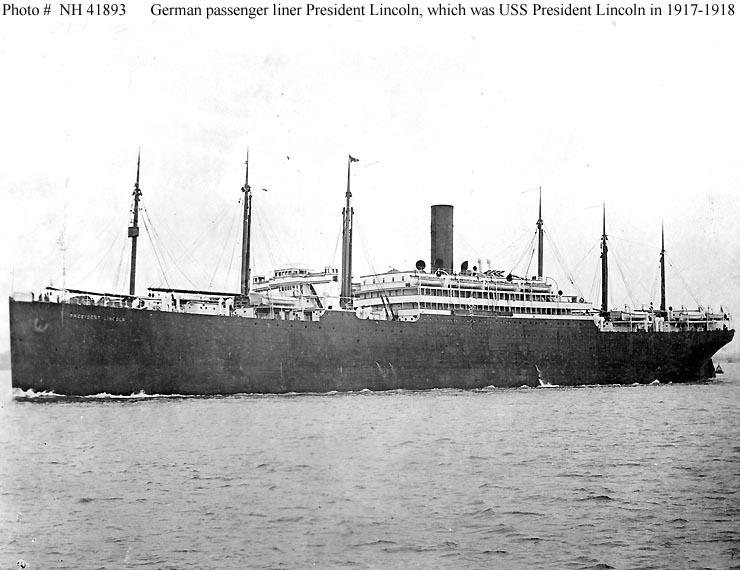
U.S.S. President
Lincoln
 31
May 1918 - Lieutenant EDOUARD
VICTOR MICHEL IZAC USN. Place
and
date: Aboard German submarine
U-90 as prisoner of war, 31
May 1918. Entered service at:
Illinois. Born: 18 December
1891, Cresco, Howard County,
Iowa. Citation: When the
U.S.S. President Lincoln
(transport - above)
was attacked and sunk by the
German submarine U-90, on 31
May 1918, Lt. Izac (left)
was captured and held as a
prisoner on board the U-90
until the return of the
submarine to Germany, when he
was confined in the prison
camp. During his stay on the
U-90 he obtained information
of the movements of German
submarines which was so
important that he determined
to escape, with a view to
making this information
available to the U.S. and
Allied Naval authorities. In
attempting to carry out this
plan, he jumped through the
window of a rapidly moving
train at the imminent risk of
death, not only from the
nature of the act itself but
from the fire of the armed
German soldiers who were
guarding him. Having been
recaptured and reconfined, Lt.
Izac made a second and
successful attempt to escape,
breaking his way through
barbed-wire fences and
deliberately drawing the fire
of the armed guards in the
hope of permitting others to
escape during the confusion.
He made his way through the
mountains of southwestern
Germany, having only raw
vegetables for food, and at
the end, swam the River Rhine
during the night in the
immediate vicinity of German
sentries. (Note: date in
original citation is 21 May
1918) 31
May 1918 - Lieutenant EDOUARD
VICTOR MICHEL IZAC USN. Place
and
date: Aboard German submarine
U-90 as prisoner of war, 31
May 1918. Entered service at:
Illinois. Born: 18 December
1891, Cresco, Howard County,
Iowa. Citation: When the
U.S.S. President Lincoln
(transport - above)
was attacked and sunk by the
German submarine U-90, on 31
May 1918, Lt. Izac (left)
was captured and held as a
prisoner on board the U-90
until the return of the
submarine to Germany, when he
was confined in the prison
camp. During his stay on the
U-90 he obtained information
of the movements of German
submarines which was so
important that he determined
to escape, with a view to
making this information
available to the U.S. and
Allied Naval authorities. In
attempting to carry out this
plan, he jumped through the
window of a rapidly moving
train at the imminent risk of
death, not only from the
nature of the act itself but
from the fire of the armed
German soldiers who were
guarding him. Having been
recaptured and reconfined, Lt.
Izac made a second and
successful attempt to escape,
breaking his way through
barbed-wire fences and
deliberately drawing the fire
of the armed guards in the
hope of permitting others to
escape during the confusion.
He made his way through the
mountains of southwestern
Germany, having only raw
vegetables for food, and at
the end, swam the River Rhine
during the night in the
immediate vicinity of German
sentries. (Note: date in
original citation is 21 May
1918)
FRENCH
FRONT
see
US Marine Corps in
the World War
 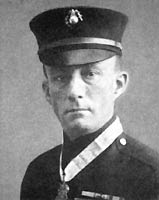 6
June 1918 - Gunnery Sergeant
ERNEST AUGUST JANSON USMC, near
Chateau-Thierry. Rank
and organization:, U.S. Marine
Corps, 49th Company. (Served under
name of Charles F. Hoffman) Born:
17 August 1878, New York, N.Y.
Accredited to: New York. (Also
received Army Medal of Honor.)
Citation: For conspicuous
gallantry and intrepidity above
and beyond the call of duty in
action with the enemy near
Chateau-Thierry, France, 6 June
1918. Immediately after the
company to which G/Sgt. Janson
belonged, had reached its
objective on Hill 142, several
hostile counterattacks were
launched against the line before
the new position had been
consolidated. G/Sgt. Janson was
attempting to organize a position
on the north slope of the hill
when he saw 12 of the enemy, armed
with 5 light machine guns,
crawling toward his group. Giving
the alarm, he rushed the hostile
detachment, bayoneted the 2
leaders, and forced the others to
flee, abandoning their guns. His
quick action, initiative and
courage drove the enemy from a
position from which they could
have swept the hill with machine
gun fire and forced the withdrawal
of our troops. 6
June 1918 - Gunnery Sergeant
ERNEST AUGUST JANSON USMC, near
Chateau-Thierry. Rank
and organization:, U.S. Marine
Corps, 49th Company. (Served under
name of Charles F. Hoffman) Born:
17 August 1878, New York, N.Y.
Accredited to: New York. (Also
received Army Medal of Honor.)
Citation: For conspicuous
gallantry and intrepidity above
and beyond the call of duty in
action with the enemy near
Chateau-Thierry, France, 6 June
1918. Immediately after the
company to which G/Sgt. Janson
belonged, had reached its
objective on Hill 142, several
hostile counterattacks were
launched against the line before
the new position had been
consolidated. G/Sgt. Janson was
attempting to organize a position
on the north slope of the hill
when he saw 12 of the enemy, armed
with 5 light machine guns,
crawling toward his group. Giving
the alarm, he rushed the hostile
detachment, bayoneted the 2
leaders, and forced the others to
flee, abandoning their guns. His
quick action, initiative and
courage drove the enemy from a
position from which they could
have swept the hill with machine
gun fire and forced the withdrawal
of our troops.
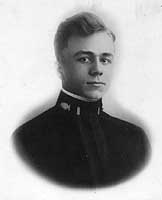 6
June 1918 - Lieutenant, Junior
Grade, (Dental Corps) WEEDON
E. OSBORNE USN, Belleau Wood
(posthumous).
Born: 13 November 1892, Chicago,
Ill. Appointed from: Illinois.
Citation: For extraordinary
heroism while attached to the
6th Regiment, U.S. Marines, in
actual conflict with the enemy
and under fire during the
advance on Bouresche, France, on
6 June 1918. In the hottest of
the fighting when the Marines
made their famous advance on
Bouresche at the southern edge
of Belleau Wood, Lt (j.g.).
Osborne threw himself zealously
into the work of rescuing the
wounded. Extremely courageous in
the performance of this perilous
task, he was killed while
carrying a wounded officer to a
place of safety. 6
June 1918 - Lieutenant, Junior
Grade, (Dental Corps) WEEDON
E. OSBORNE USN, Belleau Wood
(posthumous).
Born: 13 November 1892, Chicago,
Ill. Appointed from: Illinois.
Citation: For extraordinary
heroism while attached to the
6th Regiment, U.S. Marines, in
actual conflict with the enemy
and under fire during the
advance on Bouresche, France, on
6 June 1918. In the hottest of
the fighting when the Marines
made their famous advance on
Bouresche at the southern edge
of Belleau Wood, Lt (j.g.).
Osborne threw himself zealously
into the work of rescuing the
wounded. Extremely courageous in
the performance of this perilous
task, he was killed while
carrying a wounded officer to a
place of safety.
11
June 1918 - Lieutenant
(Medical Corps) ORLANDO
HENDERSON PETTY US Naval
Reserve Force, Belleau Wood.
Born: 20 February 1874,
Harrison, Ohio. Appointed
from: Pennsylvania. Citation:
For extraordinary heroism
while serving with the 5th
Regiment, U.S. Marines, in
France during the attack in
the Boise de Belleau, 11 June
1918. While under heavy fire
of high explosive and gas
shells in the town of Lucy,
where his dressing station was
located, Lt. Petty attended to
and evacuated the wounded
under most trying conditions.
Having been knocked to the
ground by an exploding gas
shell which tore his mask, Lt.
Petty discarded the mask and
courageously continued his
work. His dressing station
being hit and demolished, he
personally helped carry Capt.
Williams, wounded, through the
shellfire to a place of
safety.
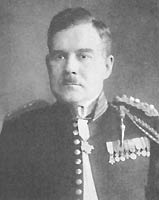 18
July 1918 - Sergeant LOUIS
CUKELA USMC, near
Viller-Cottertes,
66th Company, 5th Regiment.
Born: 1 May 1888, Sebenes,
Austria. Accredited to:
Minnesota. (Also received
Army Medal of Honor.)
Citation: For extraordinary
heroism while serving with
the 66th Company, 5th
Regiment, during action in
the Forest de Retz, near
Viller-Cottertes, France, 18
July 1918. Sgt. Cukela (left
- as Major) advanced
alone against an enemy
strong point that was
holding up his line.
Disregarding the warnings of
his comrades, he crawled out
from the flank in the face
of heavy fire and worked his
way to the rear of the enemy
position. Rushing a machine
gun emplacement, he killed
or drove off the crew with
his bayonet, bombed out the
remaining part of the strong
point with German hand
grenades and captured 2
machine guns and 4 men. 18
July 1918 - Sergeant LOUIS
CUKELA USMC, near
Viller-Cottertes,
66th Company, 5th Regiment.
Born: 1 May 1888, Sebenes,
Austria. Accredited to:
Minnesota. (Also received
Army Medal of Honor.)
Citation: For extraordinary
heroism while serving with
the 66th Company, 5th
Regiment, during action in
the Forest de Retz, near
Viller-Cottertes, France, 18
July 1918. Sgt. Cukela (left
- as Major) advanced
alone against an enemy
strong point that was
holding up his line.
Disregarding the warnings of
his comrades, he crawled out
from the flank in the face
of heavy fire and worked his
way to the rear of the enemy
position. Rushing a machine
gun emplacement, he killed
or drove off the crew with
his bayonet, bombed out the
remaining part of the strong
point with German hand
grenades and captured 2
machine guns and 4 men.
18
July 1918 - Sergeant
MATEJ KOCAK USMC
(posthumous), near
Viller-Cottertes. Born:
31 December 1882, Gbely
(Slovakia), Austria.
Accredited to: New York. (
Also received Army Medal
of Honor. ) Citation: For
extraordinary heroism
while serving with the
66th Company, 5th
Regiment, 2d Division, in
action in the
Viller-Cottertes section,
south of Soissons, France,
18 July 1918. When a
hidden machine gun nest
halted the advance of his
battalion, Sgt. Kocak went
forward alone unprotected
by covering fire and
worked his way in between
the German positions in
the face of heavy enemy
fire. Rushing the enemy
position with his bayonet,
he drove off the crew.
Later the same day, Sgt.
Kocak organized French
colonial soldiers who had
become separated from
their company and led them
in an attack on another
machine gun nest which was
also put out of action.
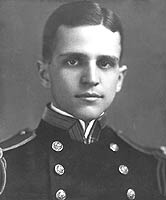 19
July 1918 - Lieutenant
(Medical Corps) JOEL
THOMPSON BOONE USN,
Vierzy. Entered
service
at: St. Clair, Pa. Born:
2 August 1889, St.
Clair, Pa. Citation: For
extraordinary heroism,
conspicuous gallantry,
and intrepidity while
serving with the 6th
Regiment, U.S. Marines,
in actual conflict with
the enemy. With absolute
disregard for personal
safety, ever conscious
and mindful of the
suffering fallen, Surg.
Boone (left) leaving
the shelter of a ravine,
went forward onto the
open field where there
was no protection and
despite the extreme
enemy fire of all
calibers, through a
heavy mist of gas,
applied dressings and
first aid to wounded
Marines. This occurred
southeast of Vierzy,
near the cemetery, and
on the road south from
that town. When the
dressings and supplies
had been exhausted, he
went through a heavy
barrage of large-caliber
shells, both high
explosive and gas, to
replenish these
supplies, returning
quickly with a sidecar
load, and administered
them in saving the lives
of the wounded. A second
trip, under the same
conditions and for the
same purpose, was made
by Surg. Boone later
that day. 19
July 1918 - Lieutenant
(Medical Corps) JOEL
THOMPSON BOONE USN,
Vierzy. Entered
service
at: St. Clair, Pa. Born:
2 August 1889, St.
Clair, Pa. Citation: For
extraordinary heroism,
conspicuous gallantry,
and intrepidity while
serving with the 6th
Regiment, U.S. Marines,
in actual conflict with
the enemy. With absolute
disregard for personal
safety, ever conscious
and mindful of the
suffering fallen, Surg.
Boone (left) leaving
the shelter of a ravine,
went forward onto the
open field where there
was no protection and
despite the extreme
enemy fire of all
calibers, through a
heavy mist of gas,
applied dressings and
first aid to wounded
Marines. This occurred
southeast of Vierzy,
near the cemetery, and
on the road south from
that town. When the
dressings and supplies
had been exhausted, he
went through a heavy
barrage of large-caliber
shells, both high
explosive and gas, to
replenish these
supplies, returning
quickly with a sidecar
load, and administered
them in saving the lives
of the wounded. A second
trip, under the same
conditions and for the
same purpose, was made
by Surg. Boone later
that day.
19
July and 5 October
1918 - Pharmacist's
Mate First Class JOHN
HENRY BALCH USN Vierzy
and Somme-Py. Entered
service
at: Kansas City, Mo.
Born: 2 January 1896,
Edgerton, Kans.
Citation: For
gallantry and
intrepidity at the
risk of his life above
and beyond the call of
duty, with the 6th
Regiment, U.S.
Marines, in action at
Vierzy, on 19 July
1918. Balch
unhesitatingly and
fearlessly exposed
himself to terrific
machine gun and
high-explosive fire to
succor the wounded as
they fell in the
attack, leaving his
dressing station
voluntarily and
keeping up the work
all day and late into
the night unceasingly
for 16 hours. Also in
the action at Somme-Py
on 5 October 1918, he
exhibited exceptional
bravery in
establishing an
advanced dressing
station under heavy
shellfire.
ADRIATIC
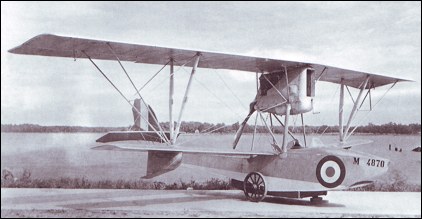
SEA - IN THE AIR
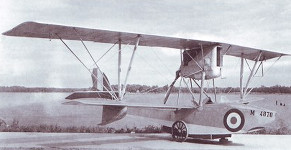 Macchi
M.5 Seaplane
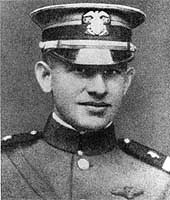 21
August 1918 -
Ensign CHARLES
HAZELTINE HAMMANN,
US Naval Reserve
Force, aircraft
pilot.
Born: 16 March 1892,
Baltimore, Md.
Appointed from:
Maryland. Citation:
For extraordinary
heroism as a pilot
of a seaplane (Wikipedia
- an Italian
Macchi M.5)
- on 21 August 1918,
when with 3 other
planes Ens. Hammann
(left) took
part in a patrol and
attacked a superior
force of enemy land
planes. In the
course of the
engagement which
followed the plane
of Ens. George M.
Ludlow was shot down
and fell in the
water 5 miles off
Pola. Ens. Hammann
immediately dived
down and landed on
the water close
alongside the
disabled machine,
where he took Ludlow
on board. Although
his machine was not
designed for the
double load to which
it was subjected,
and although there
was danger of attack
by Austrian planes,
he made his way to
Porto Corsini. 21
August 1918 -
Ensign CHARLES
HAZELTINE HAMMANN,
US Naval Reserve
Force, aircraft
pilot.
Born: 16 March 1892,
Baltimore, Md.
Appointed from:
Maryland. Citation:
For extraordinary
heroism as a pilot
of a seaplane (Wikipedia
- an Italian
Macchi M.5)
- on 21 August 1918,
when with 3 other
planes Ens. Hammann
(left) took
part in a patrol and
attacked a superior
force of enemy land
planes. In the
course of the
engagement which
followed the plane
of Ens. George M.
Ludlow was shot down
and fell in the
water 5 miles off
Pola. Ens. Hammann
immediately dived
down and landed on
the water close
alongside the
disabled machine,
where he took Ludlow
on board. Although
his machine was not
designed for the
double load to which
it was subjected,
and although there
was danger of attack
by Austrian planes,
he made his way to
Porto Corsini.
FRENCH
FRONT
see
US Marine
Corps in the
World War
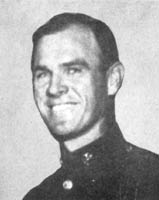 15
September 1918 - Hospital Apprentice
First Class DAVID E. HAYDEN USN,
Thiaucourt.
Serving with the 2d Battalion, 6th
Regiment, U.S. Marines. Entered
service at: Texas. Born: 2 October
1897 Florence, Tex. Citation: For
gallantry and intrepidity at the risk
of his life above and beyond the call
of duty. During the advance, when Cpl.
Creed was mortally wounded while
crossing an open field swept by
machine gun fire, Hayden (left)
unhesitatingly ran to his assistance
and, finding him so severely wounded
as to require immediate attention,
disregarded his own personal safety to
dress the wound under intense machine
gun fire, and then carried the wounded
man back to a place of safety. 15
September 1918 - Hospital Apprentice
First Class DAVID E. HAYDEN USN,
Thiaucourt.
Serving with the 2d Battalion, 6th
Regiment, U.S. Marines. Entered
service at: Texas. Born: 2 October
1897 Florence, Tex. Citation: For
gallantry and intrepidity at the risk
of his life above and beyond the call
of duty. During the advance, when Cpl.
Creed was mortally wounded while
crossing an open field swept by
machine gun fire, Hayden (left)
unhesitatingly ran to his assistance
and, finding him so severely wounded
as to require immediate attention,
disregarded his own personal safety to
dress the wound under intense machine
gun fire, and then carried the wounded
man back to a place of safety.
UNITED
STATES
25
September 1918 - Chief
Machinist's Mate FRANCIS
EDWARD ORMSBEE Jr, USN, Naval
Air Station, Pensacola, Fla,
attempted aircrash rescue.
Born: 30 April 1892, Providence,
R.l. Accredited to: Florida.
G.O. No.: 436, 1918. Citation:
For extraordinary heroism while
attached to the Naval Air
Station, Pensacola, Fla., on 25
September 1918. While flying
with Ens. J. A. Jova, Ormsbee
saw a plane go into a tailspin
and crash about three-quarters
of a mile to the right. Having
landed near by, Ormsbee lost no
time in going overboard and made
for the wreck, which was all
under water except the 2 wing
tips. He succeeded in partially
extricating the gunner so that
his head was out of water, and
held him in this position until
the speedboat arrived. Ormsbee
then made a number of desperate
attempts to rescue the pilot,
diving into the midst of the
tangled wreckage although cut
about the hands, but was too
late to save his life.
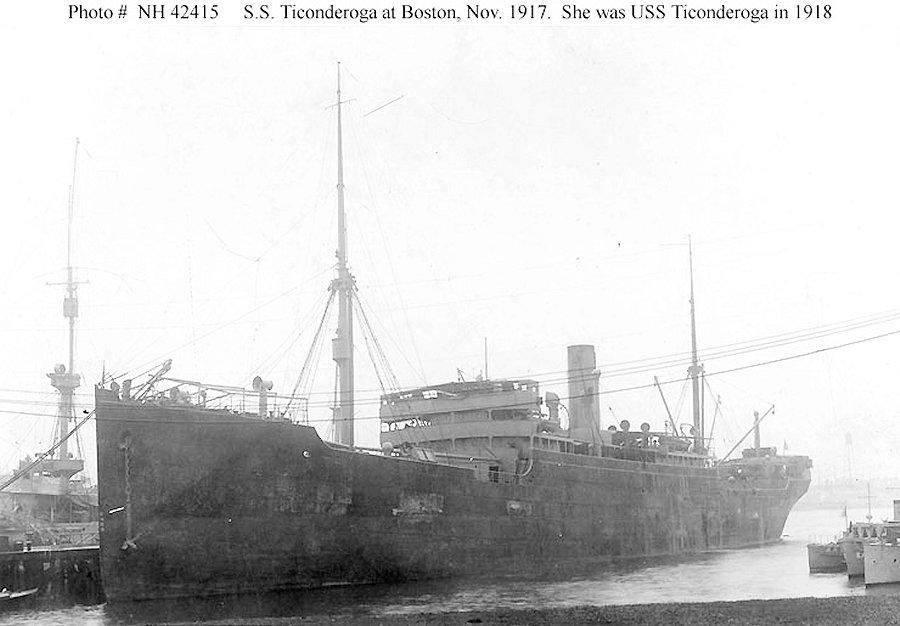
AT
SEA
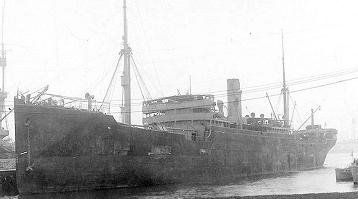
U.S.S.
Ticonderoga
 30
September 1918 - Lieutenant
Commander JAMES JONAS MADISON US
Naval Reserve Force, USS Ticonderoga
sinking. Born:
20
May 1884, Jersey City, N.J. Appointed
from: Mississippi. Citation: For
exceptionally heroic service in a
position of great responsibility as
commanding officer of the U.S.S.
Ticonderoga (transport - above),
when, on 30 September 1918, that
vessel was attacked by an enemy
submarine and was sunk after a
prolonged and gallant resistance. The
submarine opened fire at a range of
500 yards, the first shots taking
effect on the bridge and forecastle, 1
of the 2 forward guns of the
Ticonderoga being disabled by the
second shot. The fire was returned and
the fight continued for nearly 2
hours. Lt. Comdr. Madison (left)
was severely wounded early in the
fight, but caused himself to be placed
in a chair on the bridge and continued
to direct the fire and to maneuver the
ship. When the order was finally given
to abandon the sinking ship, he became
unconscious from loss of blood, but
was lowered into a lifeboat and was
saved, with 31 others, out of a total
number of 236 on board. (Note:
date in original citation is 4
October 1918) 30
September 1918 - Lieutenant
Commander JAMES JONAS MADISON US
Naval Reserve Force, USS Ticonderoga
sinking. Born:
20
May 1884, Jersey City, N.J. Appointed
from: Mississippi. Citation: For
exceptionally heroic service in a
position of great responsibility as
commanding officer of the U.S.S.
Ticonderoga (transport - above),
when, on 30 September 1918, that
vessel was attacked by an enemy
submarine and was sunk after a
prolonged and gallant resistance. The
submarine opened fire at a range of
500 yards, the first shots taking
effect on the bridge and forecastle, 1
of the 2 forward guns of the
Ticonderoga being disabled by the
second shot. The fire was returned and
the fight continued for nearly 2
hours. Lt. Comdr. Madison (left)
was severely wounded early in the
fight, but caused himself to be placed
in a chair on the bridge and continued
to direct the fire and to maneuver the
ship. When the order was finally given
to abandon the sinking ship, he became
unconscious from loss of blood, but
was lowered into a lifeboat and was
saved, with 31 others, out of a total
number of 236 on board. (Note:
date in original citation is 4
October 1918)
FRENCH
FRONT
Blanc
Mont Ridge
see
US Marine Corps in the World War
3
October 1918 - Private JOHN
JOSEPH KELLY USMC, 78th
Company 6th Regiment. Born: 24
June 1898, Chicago, Ill.
Accredited to: Illinois. (Also
received Army Medal of Honor.)
Citation: For conspicuous
gallantry and intrepidity above
and beyond the call of duty while
serving with the 78th Company, 6th
Regiment, 2d Division, in action
with the enemy at Blanc Mont
Ridge, France, 3 October 1918.
Pvt. Kelly ran through our own
barrage a hundred yards in advance
of the front line and attacked an
enemy machine gun nest, killing
the gunner with a grenade,
shooting another member of the
crew with his pistol, and
returning through the barrage with
8 prisoners.
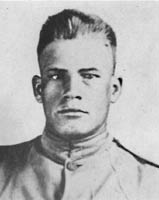 3
October 1918 - Corporal JOHN
HENRY PRUITT USMC (posthumous).
Born: 4 October 1896,
Fayettesville, Ark. Accredited
to: Arizona. (Also received Army
Medal of Honor.) Citation: For
extraordinary gallantry and
intrepidity above and beyond the
call of duty while serving with
the 78th Company, 6th Regiment,
2d Division, in action with the
enemy at Blanc Mont Ridge,
France, 3 October 1918. Cpl.
Pruitt (left),
single-handed attacked 2 machine
guns, capturing them and killing
2 of the enemy. He then captured
40 prisoners in a dugout nearby.
This gallant soldier was killed
soon afterward by shellfire
while he was sniping the enemy. 3
October 1918 - Corporal JOHN
HENRY PRUITT USMC (posthumous).
Born: 4 October 1896,
Fayettesville, Ark. Accredited
to: Arizona. (Also received Army
Medal of Honor.) Citation: For
extraordinary gallantry and
intrepidity above and beyond the
call of duty while serving with
the 78th Company, 6th Regiment,
2d Division, in action with the
enemy at Blanc Mont Ridge,
France, 3 October 1918. Cpl.
Pruitt (left),
single-handed attacked 2 machine
guns, capturing them and killing
2 of the enemy. He then captured
40 prisoners in a dugout nearby.
This gallant soldier was killed
soon afterward by shellfire
while he was sniping the enemy.
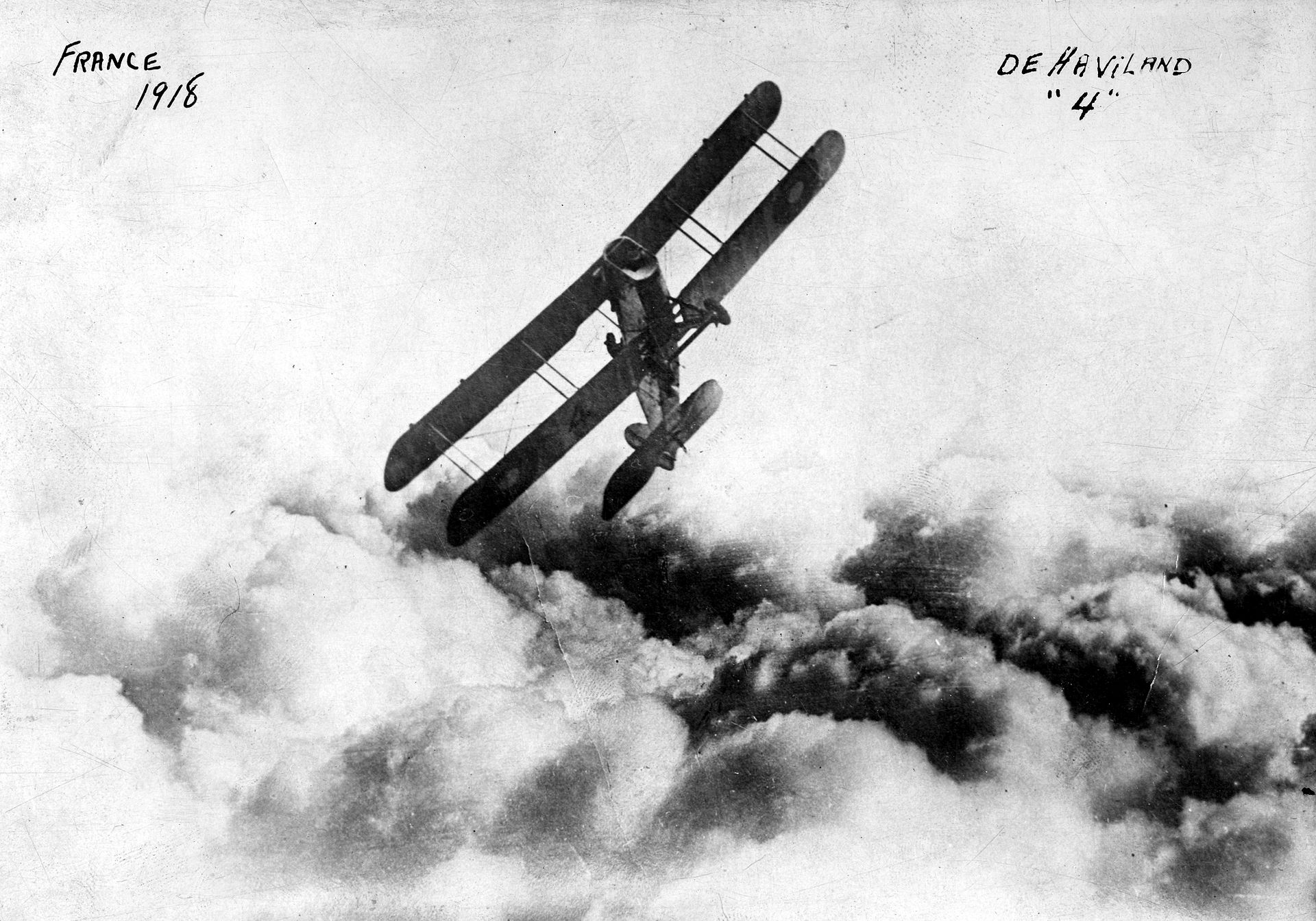
FRENCH
FRONT - IN THE AIR
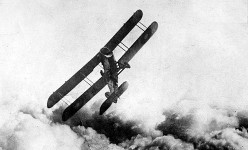
Airco/De
Havilland DH.4
two-seat
bomber
(Detroit
Public Library
- France,
1918)
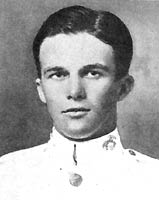 8
and 14 October 1918 - Second
Lieutenant RALPH TALBOT
USMC, aircraft pilot.
Born: 6 January 1897, South
Weymouth, Mass. Appointed
from: Connecticut. Citation:
For exceptionally meritorious
service and extraordinary
heroism while attached to
Squadron C, 1st Marine
Aviation Force, in France (Wikipedia
- flying
Airco/De
Havilland DH.4
two-seat
bombers).
2d Lt. Talbot (left)
participated in numerous air
raids into enemy territory. On
8 October 1918, while on such
a raid, he was attacked by 9
enemy scouts, and in the fight
that followed shot down an
enemy plane. Also, on 14
October 1918, while on a raid
over Pittham, Belgium, 2d Lt.
Talbot and another plane
became detached from the
formation on account of motor
trouble and were attacked by
12 enemy scouts. During the
severe fight that followed,
his plane shot down 1 of the
enemy scouts. His observer was
shot through the elbow and his
gun jammed. 2d Lt. Talbot
maneuvered to gain time for
his observer to clear the jam
with one hand, and then
returned to the fight. The
observer fought until shot
twice, once in the stomach and
once in the hip and then
collapsed, 2d Lt. Talbot
attacked the nearest enemy
scout with his front guns and
shot him down. With his
observer unconscious and his
motor failing, he dived to
escape the balance of the
enemy and crossed the German
trenches at an altitude of 50
feet, landing at the nearest
hospital to leave his
observer, and then returning
to his aerodrome. 8
and 14 October 1918 - Second
Lieutenant RALPH TALBOT
USMC, aircraft pilot.
Born: 6 January 1897, South
Weymouth, Mass. Appointed
from: Connecticut. Citation:
For exceptionally meritorious
service and extraordinary
heroism while attached to
Squadron C, 1st Marine
Aviation Force, in France (Wikipedia
- flying
Airco/De
Havilland DH.4
two-seat
bombers).
2d Lt. Talbot (left)
participated in numerous air
raids into enemy territory. On
8 October 1918, while on such
a raid, he was attacked by 9
enemy scouts, and in the fight
that followed shot down an
enemy plane. Also, on 14
October 1918, while on a raid
over Pittham, Belgium, 2d Lt.
Talbot and another plane
became detached from the
formation on account of motor
trouble and were attacked by
12 enemy scouts. During the
severe fight that followed,
his plane shot down 1 of the
enemy scouts. His observer was
shot through the elbow and his
gun jammed. 2d Lt. Talbot
maneuvered to gain time for
his observer to clear the jam
with one hand, and then
returned to the fight. The
observer fought until shot
twice, once in the stomach and
once in the hip and then
collapsed, 2d Lt. Talbot
attacked the nearest enemy
scout with his front guns and
shot him down. With his
observer unconscious and his
motor failing, he dived to
escape the balance of the
enemy and crossed the German
trenches at an altitude of 50
feet, landing at the nearest
hospital to leave his
observer, and then returning
to his aerodrome.
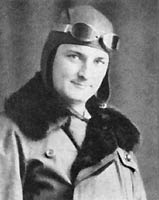 8
and 14 October 1918 -
Gunnery Sergeant ROBERT
GUY ROBINSON USMC,
aircraft observer,
1st Marine Aviation Force.
Place and date: Pittham,
Belgium, 14 October 1918.
Entered service at: Chicago,
Ill. Born: 30 April 1896,
New York, N.Y. Citation: For
extraordinary heroism as
observer in the 1st Marine
Aviation Force at the front
in France. In company with
planes from Squadron 218,
Royal Air Force, conducting
an air raid on 8 October
1918, G/Sgt. Robinson's
plane was attacked by 9
enemy scouts. In the fight
which followed, he shot down
1 of the enemy planes. In a
later air raid over Pittham,
Belgium, on 14 October 1918,
his plane and 1 other became
separated from their
formation on account of
motor trouble and were
attacked by 12 enemy scouts.
Acting with conspicuous
gallantry and intrepidity in
the fight which ensued,
G/Sgt. Robinson (above
left), after shooting
down 1 of the enemy planes,
was struck by a bullet which
carried away most of his
elbow. At the same time his
gun jammed. While his pilot
maneuvered for position, he
cleared the jam with one
hand and returned to the
fight. Although his left arm
was useless, he fought off
the enemy scouts until he
collapsed after receiving 2
more bullet wounds, one in
the stomach and one in the
thigh. 8
and 14 October 1918 -
Gunnery Sergeant ROBERT
GUY ROBINSON USMC,
aircraft observer,
1st Marine Aviation Force.
Place and date: Pittham,
Belgium, 14 October 1918.
Entered service at: Chicago,
Ill. Born: 30 April 1896,
New York, N.Y. Citation: For
extraordinary heroism as
observer in the 1st Marine
Aviation Force at the front
in France. In company with
planes from Squadron 218,
Royal Air Force, conducting
an air raid on 8 October
1918, G/Sgt. Robinson's
plane was attacked by 9
enemy scouts. In the fight
which followed, he shot down
1 of the enemy planes. In a
later air raid over Pittham,
Belgium, on 14 October 1918,
his plane and 1 other became
separated from their
formation on account of
motor trouble and were
attacked by 12 enemy scouts.
Acting with conspicuous
gallantry and intrepidity in
the fight which ensued,
G/Sgt. Robinson (above
left), after shooting
down 1 of the enemy planes,
was struck by a bullet which
carried away most of his
elbow. At the same time his
gun jammed. While his pilot
maneuvered for position, he
cleared the jam with one
hand and returned to the
fight. Although his left arm
was useless, he fought off
the enemy scouts until he
collapsed after receiving 2
more bullet wounds, one in
the stomach and one in the
thigh.
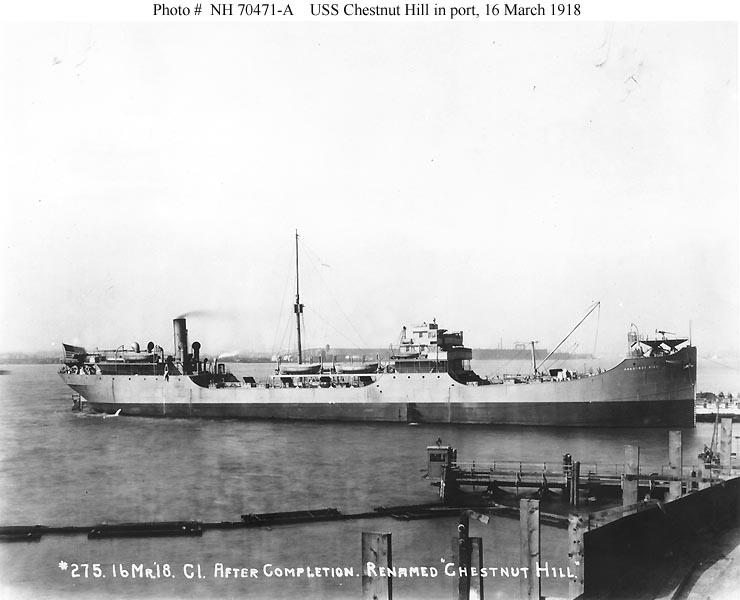
AT
SEA
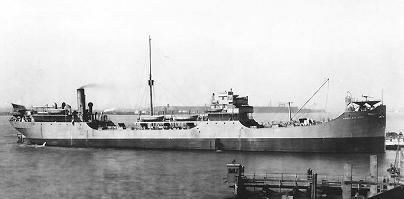
U.S.S.
Chestnut Hill
 9
October 1918 - Chief
Gunner's Mate OSCAR
SCHMIDT Jr USN, USS
Chestnut Hill, explosion
in submarine chaser
. Entered service at:
Pennsylvania. Born: 25 March
1896, Philadelphia, Pa. G.O.
No.: 450, 1919. Citation:
For gallant conduct and
extraordinary heroism while
attached to the U.S.S.
Chestnut Hill (oiler
- above, escorting
submarine chasers), on the
occasion of the explosion
and subsequent fire on board
the U.S. submarine chaser
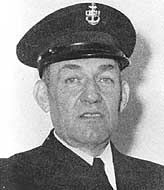
219. Schmidt (left),
seeing a man, whose legs
were partly blown off,
hanging on a line from the
bow of the 219, jumped
overboard, swam to the sub
chaser and carried him from
the bow to the stern where a
member of the 219's crew
helped him land the man on
the afterdeck of the
submarine. Schmidt then
endeavored to pass through
the flames amidships to get
another man who was
seriously burned. This he
was unable to do, but when
the injured man fell
overboard and drifted to the
stern of the chaser Schmidt
helped him aboard. 9
October 1918 - Chief
Gunner's Mate OSCAR
SCHMIDT Jr USN, USS
Chestnut Hill, explosion
in submarine chaser
. Entered service at:
Pennsylvania. Born: 25 March
1896, Philadelphia, Pa. G.O.
No.: 450, 1919. Citation:
For gallant conduct and
extraordinary heroism while
attached to the U.S.S.
Chestnut Hill (oiler
- above, escorting
submarine chasers), on the
occasion of the explosion
and subsequent fire on board
the U.S. submarine chaser
219. Schmidt (left),
seeing a man, whose legs
were partly blown off,
hanging on a line from the
bow of the 219, jumped
overboard, swam to the sub
chaser and carried him from
the bow to the stern where a
member of the 219's crew
helped him land the man on
the afterdeck of the
submarine. Schmidt then
endeavored to pass through
the flames amidships to get
another man who was
seriously burned. This he
was unable to do, but when
the injured man fell
overboard and drifted to the
stern of the chaser Schmidt
helped him aboard.
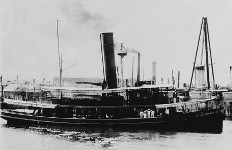
Yard
Tug YT-17 Mohawk
1
November 1918 - Boatswain's Mate
Second Class JOHN OTTO SIEGEL USN,
USS Mohawk, rescue from ship on
fire.
Born: 21 April 1890, Milwaukee, Wis.
Accredited to: New Jersey. Citation:
For extraordinary heroism while
serving on board the Mohawk* (Yard
Tug YT.17, Norfolk Navy Yard) in
performing a rescue mission aboard
the schooner Hjeltenaes which was in
flames on 1 November 1918. Going
aboard the blazing vessel, Siegel
rescued 2 men from the crew's
quarters and went back the third
time. Immediately after he had
entered the crew's quarters, a steam
pipe over the door burst, making it
impossible for him to escape. Siegel
was overcome with smoke and fell to
the deck, being finally rescued by
some of the crew of the Mohawk who
carried him out and rendered first
aid.
*For
some years, the Mohawk, or USS Mohawk as
she is sometimes referred to, was
thought to be the US Coast Guard Cutter
of that name until it was discovered
she had been sunk
in collision off New Jersey on 1
October 1917.
Wikipedia and a few other online sources
identify the Mohawk in this citation as
yard tug YT.17. However, few if any of
the pages on YT.17 refer to the Medal of
Honor received by John Siegel
|
|